





Buying a Car in Kenya on a Budget (2026 Guide)
In this guide, CarNews KE explains why routine maintenance matters, how it protects your investment, and how a proper maintenance schedule can save you thousands of shillings every year.

CN Quick Facts
- Many first-time buyers underestimate ownership costs, leading to financial stress and expensive mistakes.
- Vehicle prices, fuel costs, insurance premiums, road conditions, and maintenance expenses vary significantly across Kenya and should be considered before buying.
- The cheapest car to buy is not always the cheapest car to own. Focus on total ownership costs rather than purchase price alone.
Complete Guide for First-Time Car Buyers
Buying your first car is one of the most exciting financial milestones you can achieve. Whether you’re tired of relying on public transport, need a reliable vehicle for work, or simply want the convenience of personal mobility, owning a car can transform your daily life.
What's in this Article
- Complete Guide for First-Time Car Buyers
- How Much Should You Budget for Your First Car?
- Which Cars Offer the Best Value Under KSh 1 Million?
- Where Should You Buy a Car in Kenya?
- What Documents Should You Verify Before Buying?
- Why Is a Pre-Purchase Inspection Essential?
- Test Drive Checklist
- How Does the NTSA Vehicle Transfer Process Work?
- What Insurance Do You Need?
- What Are the Monthly Costs of Car Ownership?
- How Can You Reduce Ownership Costs?
- What Other Costs Should You Expect?
- Why Should You Join a Car Community?
- How Do You Protect Your Car’s Resale Value?
- Conclusion
However, many first-time buyers focus entirely on the purchase price and underestimate the true cost of ownership. Fuel, insurance, maintenance, repairs, parking, and depreciation can quickly turn a seemingly affordable car into an expensive financial burden.
The good news is that with proper planning, research, and budgeting, buying and managing a car in Kenya can be both practical and affordable.
This guide explains everything first-time buyers need to know, from choosing the right vehicle and verifying documents to budgeting for ownership costs and protecting your investment.
How Much Should You Budget for Your First Car?
Before browsing online listings or visiting car yards, determine how much you can comfortably afford.
A useful rule of thumb:
✔ Don’t spend more than 50% of your annual income on the purchase price of the vehicle.
✔ Keep ongoing monthly running costs (fuel, insurance, maintenance, parking) below 15–20% of your income where possible – though fuel-heavy commutes or older vehicles can push this higher, so treat it as a target rather than a hard ceiling (see the running-cost table further down).
✔ Set aside an emergency fund for repairs and unexpected expenses.
Budgeting Example
If you earn KSh 100,000 per month:
- Annual income: KSh 1.2 million
- Recommended purchase budget: KSh 600,000 or less
- Target monthly running costs: KSh 15,000–20,000 (realistically, expect this to run higher — see the ownership cost breakdown below)
- Emergency repair fund: KSh 50,000–100,000
CN Buyer’s Note
A car loan can help you purchase a vehicle sooner, but interest payments increase the total ownership cost. Bank auto loans, logbook loans, and Sacco vehicle financing are the three most common routes in Kenya.
Bank loans generally offer the lowest rates but the strictest documentation requirements, logbook loans are faster but costlier, and Sacco financing sits in between if you’re already a member. Where possible, a cash purchase remains the most affordable option.
Which Cars Offer the Best Value Under KSh 1 Million?
For budget-conscious buyers, reliability and fuel efficiency should take priority over luxury features. The models below span roughly KSh 500,000–1,000,000 depending on year and condition. If your budget is closer to the KSh 600,000 example above, focus on the lower end (Vitz, Alto, older Note/Demio trims) rather than higher-spec Axio units.
Recommended Budget Cars in Kenya
| Vehicle | Fuel Economy | Why It Makes Sense |
|---|---|---|
| Toyota Vitz | 15–20 km/L | Reliable, affordable parts |
| Honda Fit | 16–20 km/L | Excellent fuel economy |
| Mazda Demio (petrol) | 15–18 km/L | Good handling and efficiency |
| Mazda Demio (hybrid variant) | up to 25 km/L | Higher efficiency, check hybrid battery health before buying |
| Nissan Note (petrol) | 14–17 km/L | Practical family hatchback |
| Nissan Note e-Power (hybrid) | 20–25+ km/L | Common import; verify hybrid battery condition |
| Suzuki Alto | 20–25 km/L | Extremely economical |
| Toyota Axio | 15–20 km/L | Durable and comfortable |
What Matters Most?
When evaluating a used car:
- Service history matters more than paint condition.
- Mechanical condition matters more than mileage alone.
- Accident history can significantly affect long-term reliability.
- Availability of spare parts affects ownership costs.
- For imported units, confirm the recorded mileage against the Japan export inspection certificate (commonly JEVIC or QISJ) rather than relying on the odometer alone — mileage tampering is a known risk on used imports.
Where Should You Buy a Car in Kenya?
There are several options available, each with advantages and disadvantages.
Car Yards
Popular along Ngong Road, Mombasa Road, Kiambu Road, and Thika Road.
- ✔ Large selection
- ✔ Immediate viewing
- ✖ Prices are often negotiable but may start higher
Private Sellers
- ✔ Often cheaper
- ✔ Easier to obtain ownership history
- ✖ Greater risk of fraud
- ✖ Limited buyer protection
Always insist on an independent inspection.
Vehicle Importers
- ✔ Verified import history
- ✔ Better documentation
- ✔ Wider model selection
- ✖ Longer waiting periods
- ✖ Higher purchase costs
Online Platforms
Useful for market research, price comparisons, and locating rare models. Be cautious of suspiciously cheap deals.
Red Flag
If a deal looks too good to be true, it usually is. Never send deposits before verifying ownership and inspecting the vehicle.
What Documents Should You Verify Before Buying?
Before making payment, confirm all ownership records.
- Original Logbook: Verify registration number, chassis number, engine number, and registered owner. The seller’s identity should match the registered owner.
- Identification Documents: Confirm National ID, passport (where applicable), and KRA PIN.
- NTSA Records: Verify ownership through the National Transport and Safety Authority (NTSA) eCitizen/TIMS platform.
- Duty and Tax Status: For imported vehicles, it is essential to verify that import duty, VAT, and IDF fees have been fully paid and cleared. An outstanding duty status can create legal and financial liabilities for the new owner, even after the purchase is completed.
- Service Records: A documented maintenance history often indicates responsible ownership.
- Inspection Reports: Roadworthiness inspections help identify hidden issues.
Why Is a Pre-Purchase Inspection Essential?
A professional inspection can save you hundreds of thousands of shillings.
What Should Be Checked?
Engine
Look for:
- Oil leaks
- Excessive smoke
- Abnormal noises
- Overheating signs
Transmission
Check:
- Smooth gear changes
- Delayed engagement
- Fluid leaks
Suspension
Inspect:
- Shock absorbers
- Bushings
- Steering components
Signs of Accident Damage
Warning signs include:
- Uneven panel gaps
- Mismatched paint
- Welding marks
- Bent chassis sections
- Replaced airbags
Test Drive Checklist
Drive the vehicle:
- In traffic
- At highway speeds
- Over rough surfaces
Test:
- Brakes
- Steering
- Air conditioning
- Electrical systems
- Reverse gear
- Parking sensors
CN Expert Insight
Many accident-damaged vehicles look excellent cosmetically but hide expensive structural problems that only become apparent months later.
Never skip the inspection.
How Does the NTSA Vehicle Transfer Process Work?
Vehicle ownership transfers are completed through the NTSA eCitizen platform.
- Seller initiates the transfer request.
- Buyer receives and accepts the transfer request.
- Required documents are submitted.
- Transfer fees are paid (typically a modest fixed NTSA fee, payable via eCitizen- confirm the current rate on the platform before starting, as gazetted fees are periodically revised).
- The digital logbook is updated.
What Insurance Do You Need?
Motor insurance in Kenya is compulsory: third-party cover is required under the Insurance (Motor Vehicle Third Party Risks) Act, and proof of valid insurance is also required for vehicle inspection and licensing under the Traffic Act.
Insurance Options
| Cover Type | Typical Annual Cost | Coverage |
|---|---|---|
| Third Party Only | KSh 7,500 – 10,000 | Other road users |
| Third Party Fire & Theft | KSh 8,000 – 15,000 | Adds theft and fire cover |
| Comprehensive | KSh 37,500+ | Full vehicle protection |
Should You Buy Comprehensive Insurance?
Comprehensive cover is often worthwhile if:
- The vehicle has high value.
- It is financed.
- Daily commuting is required.
- Replacement costs would be difficult to absorb.
What Are the Monthly Costs of Car Ownership?
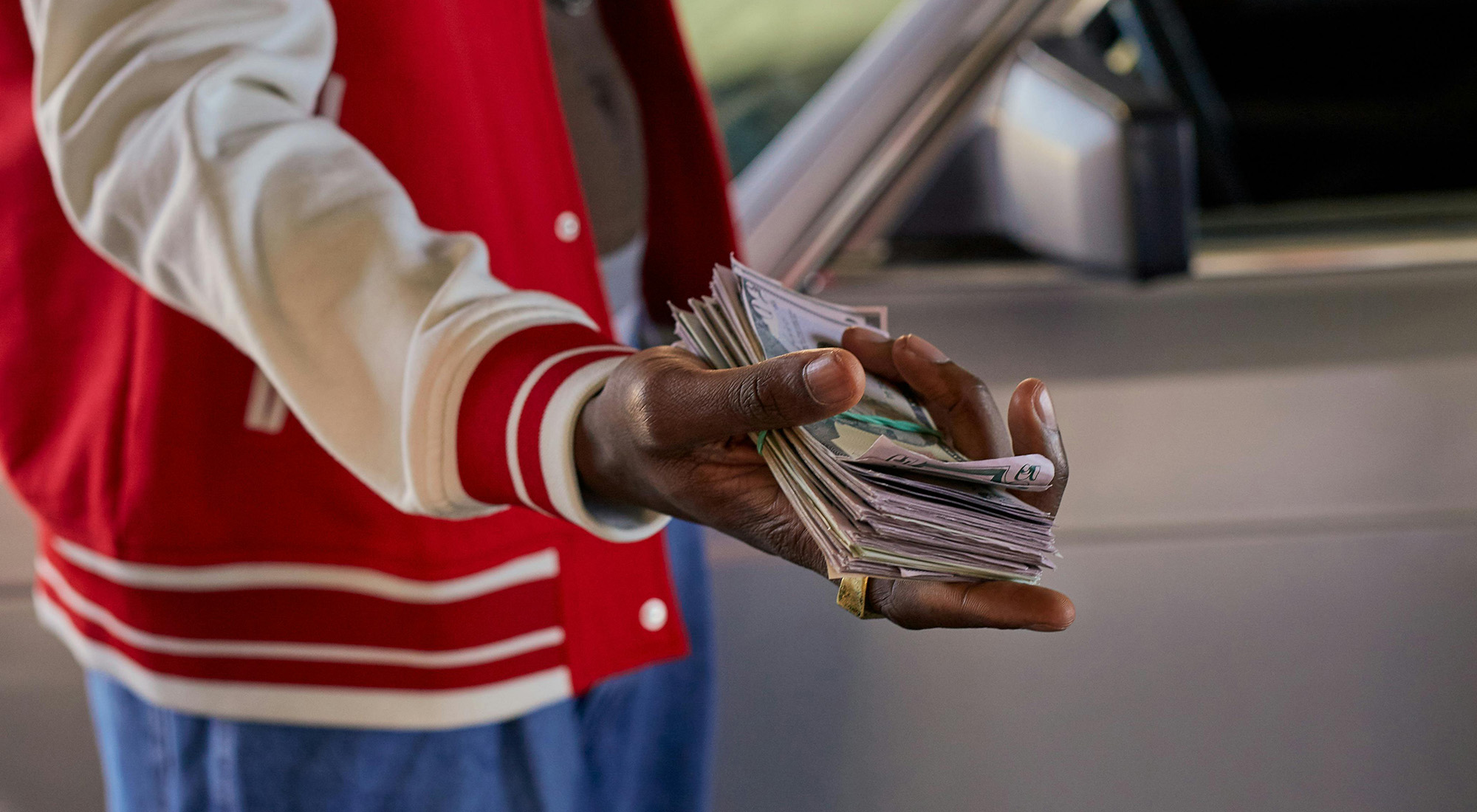
The purchase price is only the beginning.
Typical Monthly Expenses
| Expense | Monthly Cost |
|---|---|
| Fuel | KSh 10,000 – 21,000+ |
| Insurance | KSh 600 – 7,000+ |
| Maintenance Fund | KSh 2,000 – 5,000+ |
| Parking | KSh 3,000 – 10,000+ |
| Car Washing & Detailing | KSh 2,000 – 10,000+ |
| Total (Approx.) | KSh 18,000 – 53,000+ |
Your actual costs depend on:
- Vehicle type
- Mileage
- Fuel prices
- Driving habits
- Location
How Can You Reduce Ownership Costs?
Follow a Maintenance Schedule
Basic maintenance remains significantly cheaper than major repairs.
Recommended Intervals
| Item | Recommended Interval |
|---|---|
| Engine Oil | 5,000 – 10,000 km |
| Air Filter Inspection | 10,000 – 15,000 km |
| Cabin Filter | 15,000 – 20,000 km |
| Fuel System Cleaning | 30,000 – 50,000 km |
| Spark Plugs | 50,000 – 100,000 km |
| Brake Inspection | Every 20,000 km |
| Tyre Rotation | 5,000 – 10,000 km |
| Full Inspection | 20,000 – 30,000 km |
Learn more about Why Regular Car Maintenance Saves You Money in Kenya
CN Insight
Preventive maintenance is almost always cheaper than reactive repairs.
What Other Costs Should You Expect?
Many first-time buyers overlook: toll road charges, traffic fines, parking penalties, accident repairs, tyre replacement, battery replacement, shock absorbers replacement, NTSA fees, and vehicle accessories. Budgeting for these costs helps avoid financial surprises.
Why Should You Join a Car Community?
Vehicle ownership becomes easier when you can learn from experienced drivers.
Benefits of Car Communities
- Mechanic recommendations
- Maintenance advice
- Spare parts sourcing
- Buying and selling support
- Ownership experiences
The CarTalk KE Forum is an excellent place to ask questions and learn from fellow drivers.
How Do You Protect Your Car’s Resale Value?
A vehicle is an asset that gradually loses value.
However, you can slow depreciation by:
- Keeping service records
- Fixing issues promptly
- Avoiding poor-quality modifications
- Maintaining clean interiors
- Washing and detailing regularly
Well-maintained vehicles often command significantly higher resale prices.
Frequently Asked Questions
Yes. Models such as the Toyota Vitz, Honda Fit, Nissan Note, and Mazda Demio can offer good value within this budget, though condition and mileage matter more than the model name alone.
Both options can work. Local purchases offer immediate availability, while imports may provide better condition and specification levels – but confirm duty has been paid and check the export inspection certificate for mileage accuracy.
Absolutely. A professional inspection can reveal hidden issues that may cost hundreds of thousands of shillings to repair.
For most Kenyan motorists, fuel remains the largest recurring expense, followed by depreciation, maintenance, and insurance.
A minimum of KSh 50,000 to KSh 100,000 is advisable for unexpected repairs and ownership costs.
Conclusion
Buying your first car in Kenya can be one of the most rewarding financial decisions you make, but it should never be rushed. The smartest buyers focus on affordability, reliability, and long-term ownership costs rather than appearances or prestige. A well-maintained Toyota Vitz or Honda Fit can often provide a better ownership experience than a poorly maintained luxury vehicle.
Research thoroughly, inspect carefully, budget realistically, and maintain your vehicle properly. Doing so will help you enjoy the freedom of car ownership without unnecessary financial stress.
Continue Your Car Ownership Journey
- The True Cost of Car Ownership in Kenya
- Why Regular Car Servicing Saves You Money
- Understanding Engine Oil: What Every Driver Should Know
- Daily Car Maintenance Checklist
- The Psychology of Car Colours
💬 Have a question about buying your first car? Join the discussion on CarTalk KE Forum or share your experience in the comments below.







No Comment! Be the first one.