









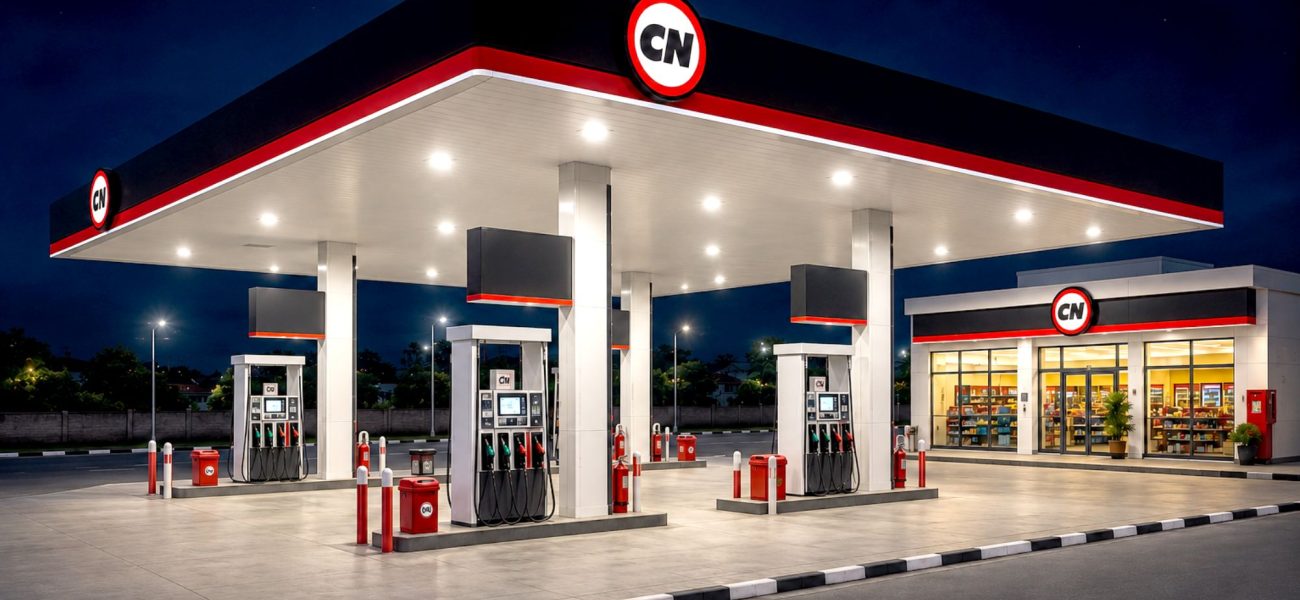
EPRA October 2026 Fuel Price Update
EPRA has increased Kenya’s maximum retail fuel prices for the October-November 2026 pricing cycle.

CN Quick Facts
Fuel Price Overview in Nairobi
| Fuel | New Price | Change |
|---|---|---|
| Super Petrol | KSh 226.96/L | ▲ KSh 12.93 |
| Diesel | KSh 227.76/L | ▲ KSh 9.90 |
| Kerosene | KSh 219.87/L | ▲ KSh 28.49 |
The new prices take effect from 15 October 2026 and remain in force until 14 November 2026. The Energy and Petroleum Regulatory Authority (EPRA) has increased the maximum retail prices of all three main petroleum products for the latest monthly pricing cycle.
What's in this Article
- Petrol, Diesel and Kerosene Prices Rise
- Why Have Fuel Prices Increased in October 2026?
- What’s Behind the October 2026 Fuel Prices?
- What Taxes Are Included in October Fuel Prices?
- What Are the Fuel Prices Across Kenya?
- What Do the October Fuel Increases Mean for Motorists and the Economy?
- How Do October 2026 Fuel Prices Compare With Previous Months?
- Fuel Tips for Car Owners: Maximise Every Drop
- What Should Motorists Watch in the Next EPRA Review?
Previous prices – 15 September to 14 October 2026:
- Super Petrol: KSh 214.03 per litre
- Diesel: KSh 217.86 per litre
- Kerosene: KSh 191.38 per litre
The new prices reverse September’s decision to keep all three products unchanged. Motorists, households and businesses will now face higher fuel expenses for the coming month.
Petrol, Diesel and Kerosene Prices Rise
The October review marks a significant change after the relative stability of the previous pricing cycle.
In Nairobi, Super Petrol increases by KSh 12.93 per litre, Diesel rises by KSh 9.90 per litre, and Kerosene increases by KSh 28.49.
The increases reflect changes in the cost of imported refined petroleum products, alongside the other components of Kenya’s regulated fuel-pricing formula.
Why Have Fuel Prices Increased in October 2026?
The October adjustment follows higher average landed costs for all three petroleum products between August and September 2026. Kenya imports its petroleum requirements in refined form, making local prices sensitive to international product prices, import expenses and the exchange rate.
Changes in landed costs
EPRA reported the following movements in the average landed cost of imported petroleum products:
| Fuel | August 2026 (US$/m³) | September 2026 (US$/m³) | Change (US$/m³) | Percentage Change |
|---|---|---|---|---|
| Super Petrol | 874.26 | 977.55 | +103.29 | ▲11.81% |
| Diesel | 957.05 | 1,065.38 | +108.33 | ▲11.32% |
| Kerosene | 1,003.87 | 1,098.31 | +94.44 | ▲9.41% |
All three products became more expensive to import. Super Petrol recorded the largest percentage increase, while Diesel had the largest absolute increase in landed cost per cubic metre.
These movements help explain the upward pressure on pump prices. However, landed cost is only one part of the final retail price. Taxes, levies, distribution expenses, margins and any government stabilisation measures also influence the amount consumers pay.
What’s Behind the October 2026 Fuel Prices?
Several factors contributed to EPRA’s October decision.
- Global Petroleum Prices – International petroleum prices increased during the review period.
- Landed Costs – Super Petrol: up 11.81%, Diesel: up 11.32%, and Kerosene: up 9.41%
- Exchange Rate – The USD/KSh exchange rate stood at 129.72 in August 2026 and moved to 129.91 in September 2026, according to reporting on EPRA’s latest review.
- Taxes and Levies: The maximum retail prices include applicable taxes and levies.
- Fuel Price Stabilisation: EPRA indicated that fuel price stabilisation would not be applied in the October review.
CN Explained: What Is Landed Cost?
Landed cost refers to the cost associated with procuring and bringing imported petroleum products into Kenya before local taxes, levies, distribution costs, margins and other elements of the pricing formula are included.
Kenya imports its petroleum requirements in refined form. As a result, local pump prices remain exposed to international refined-product markets and import-related expenses.
A rise in landed cost can create upward pressure on retail prices, while a decline can create room for a reduction. However, the final price depends on the wider regulated pricing formula and the other costs included in it
What Taxes Are Included in October Fuel Prices?
EPRA’s maximum retail prices include applicable taxes and levies. The October prices include Value Added Tax (VAT) at 8%, alongside excise duty and other charges under the applicable tax and petroleum-pricing framework.
The tax component is important because the pump price is not simply the international price of oil converted into Kenyan shillings. It incorporates the costs of importing, handling, distributing and selling petroleum products, as well as the applicable taxes and margins.
Read: Complete Guide to Kenya’s Fuel Pricing Formula
What Are the Fuel Prices Across Kenya?
Fuel prices vary across Kenya because of differences in transportation and distribution costs. Under the pricing schedule effective from 15 October to 14 November 2026, selected major towns have the following maximum retail prices:
| Town | Super Petrol | Diesel | Kerosene |
|---|---|---|---|
| Mombasa | 223.81 | 224.61 | 216.71 |
| Nairobi | 226.96 | 227.76 | 219.87 |
| Nakuru | 225.73 | 226.93 | 219.06 |
| Eldoret | 226.51 | 227.71 | 219.83 |
| Kisumu | 226.51 | 227.71 | 219.83 |
The figures show that prices differ by location. Mombasa’s maximum prices are lower than Nairobi’s, reflecting its proximity to Kenya’s main petroleum import point and differences in distribution costs.
These figures are maximum retail prices: dealers may charge less, but they must not exceed the applicable EPRA ceiling. Motorists should consult the official schedule for their specific town, particularly when travelling to locations not listed above.
What Do the October Fuel Increases Mean for Motorists and the Economy?
The price increases affect different groups in different ways.
For private motorists, Petrol-powered vehicle owners will pay KSh 12.93 more per litre than in the previous cycle. For a driver who buys 50 litres, this means an additional KSh 646.50 per purchase.
Higher fuel costs can increase operating expenses for matatu operators, bus companies and logistics businesses. However, a fuel-price increase does not automatically mean that fares or delivery charges will rise by a specific amount; operators also consider maintenance, wages, insurance, financing and market conditions.
Households that rely on kerosene for cooking or lighting will face a more substantial increase in their fuel expenditure than households buying the same quantity of petrol or diesel.
Fuel is a significant operating input for many Kenyan businesses. Higher prices can increase the cost of moving goods, operating machinery and delivering services. If businesses pass on some of those costs, consumers may eventually experience higher prices for certain goods and services.
The scale of any wider economic impact will depend on how long fuel prices remain elevated, the response of businesses and consumers, and movements in other operating costs.
How Do October 2026 Fuel Prices Compare With Previous Months?
The October review follows several months in which pump prices were held steady or changed by relatively small amounts before the latest increases.
| Pricing Period | Super Petrol | Diesel | Kerosene |
|---|---|---|---|
| October 2025 | 184.52 | 171.47 | 154.78 |
| June 2026 | 214.03 | 222.86 | 191.38 |
| July 2026 | 214.03 | 222.86 | 191.38 |
| August 2026 | 214.03 | 217.86 | 191.38 |
| September 2026 | 214.03 | 217.86 | 191.38 |
| October 2026 | 226.96 | 227.76 | 219.87 |
Compared with September 2026
- Super Petrol: Up KSh 12.93 per litre, or approximately 6.04%.
- Diesel: Up KSh 9.90 per litre, or approximately 4.55%.
- Kerosene: Up KSh 28.49 per litre, or approximately 14.89%.
Compared with October 2025
- Super Petrol: Up KSh 42.44 per litre, approximately 23.00%.
- Diesel: Up KSh 56.29 per litre, approximately 32.83%.
- Kerosene: Up KSh 65.09 per litre, approximately 42.05%.
The year-on-year comparison shows that all three products are considerably more expensive than they were in October 2025. Kerosene has recorded the largest percentage increase over this period, followed by Diesel.
Fuel Tips for Car Owners: Maximise Every Drop
Fuel prices are higher than they were a year ago, making efficient vehicle use an important part of managing ownership costs.
- Maintain correct tyre pressure: Underinflated tyres increase rolling resistance and can raise fuel consumption.
- Drive smoothly: Avoid unnecessary hard acceleration and heavy braking where road conditions allow.
- Service your vehicle regularly: Follow the manufacturer’s maintenance schedule and address mechanical issues promptly.
- Avoid unnecessary idling: Switch off the engine during extended stops when it is safe and appropriate.
- Plan your journeys: Combine errands and avoid unnecessary kilometres where possible.
- Track fuel consumption: Compare litres used with kilometres travelled. A sudden change in fuel economy may indicate a maintenance issue.
💡 Read our Why Regular Car Servicing Saves You Money guide for more practical vehicle-ownership tips.
CN Key Takeaways
- Nairobi Super Petrol rises to KSh 226.96 per litre, an increase of KSh 12.93.
- Diesel rises to KSh 227.76 per litre, up KSh 9.90.
- Kerosene rises to KSh 219.87 per litre, up KSh 28.49.
- The new prices apply from 15 October to 14 November 2026.
- Landed costs increased for all three products between August and September.
- EPRA indicated that fuel price stabilisation would not be applied in this review.
- All three fuels are substantially more expensive than in October 2025.
- Motorists should monitor international petroleum markets, landed costs, exchange rates, taxes and future EPRA reviews.
What Should Motorists Watch in the Next EPRA Review?
The next EPRA review will depend on the cost of imported petroleum products, international market developments, the USD/KSh exchange rate, applicable taxes and levies, and any government decision on fuel price stabilisation.
Motorists should pay attention to changes in international refined-product prices and developments that could affect petroleum supply and shipping costs. The exchange rate will also remain important because Kenya purchases imported petroleum in international markets.
The October review demonstrates how higher landed costs can translate into increased prices at the pump. Whether the next review brings further increases, price stability or reductions will depend on the information used in that review; the direction of future prices cannot be assumed in advance.
CarNews KE will continue monitoring EPRA’s monthly fuel-price reviews and explaining what they mean for Kenyan motorists, households, businesses and the wider economy.
Join the Conversation
💬 What do you think about the October 2026 fuel-price increases? How will the higher prices affect your household, business or daily commute?
Share your views in the comments and join the discussion on the CarTalk KE Forum.









No Comment! Be the first one.