







Toyota Vitz Review
CarNews KE looks at why the Vitz became Kenya's default first car, and what buyers should know before choosing one on the used market.

CN Quick Verdict
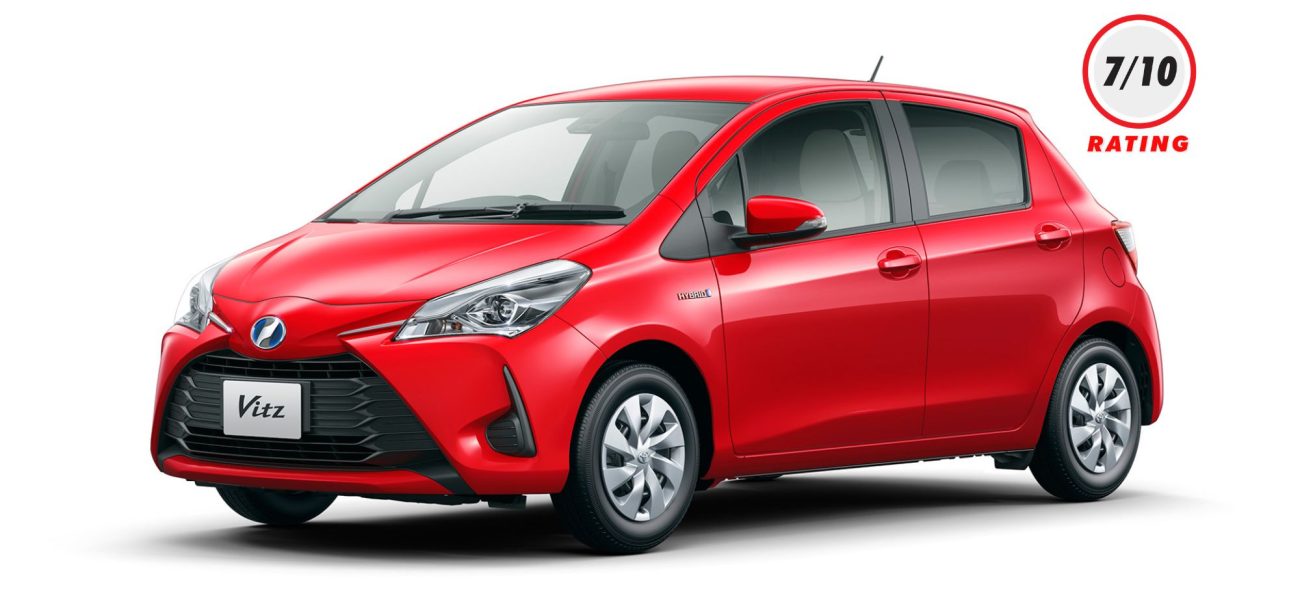
Overall Rating: 7/10
- Best For: First-time buyers and city commuters who want the lowest possible running costs
- Starting Price (Kenya, used): From KSh 500,000
- Engine Featured: 1.0-litre 1KR-FE and 1.3-litre 2SZ-FE petrol, plus notes on the 1.5L RS and hybrid
- Transmission: 4-speed automatic (1.0L) or Super CVT-i (1.3L, 1.5L and hybrid)
- Real-World Fuel Economy: 15-20 km/L (petrol); 21-26 km/L (hybrid), based on owner and dealer-reported figures
- Main Competitors: Honda Fit, Mazda Demio, Nissan Note/March, Suzuki Swift
CN Quick Facts
| What We Like | Things to Consider |
|---|---|
| ✔ Excellent urban manoeuvrability | ✘ Small engines are not particularly powerful |
| ✔ Compact exterior dimensions | ✘ Rear seat and 1.0L boot are limited compared with larger hatchbacks |
| ✔ Good fuel economy | ✘ CVT requires proper maintenance |
| ✔ Strong Toyota parts availability | ✘ Low ground clearance limits rough-road use |
| ✔ Easy to drive | ✘ Safety equipment varies considerably by year and grade |
| ✔ Strong resale value in Kenya’s used market |
What's in this Article
What Is the Toyota Vitz?
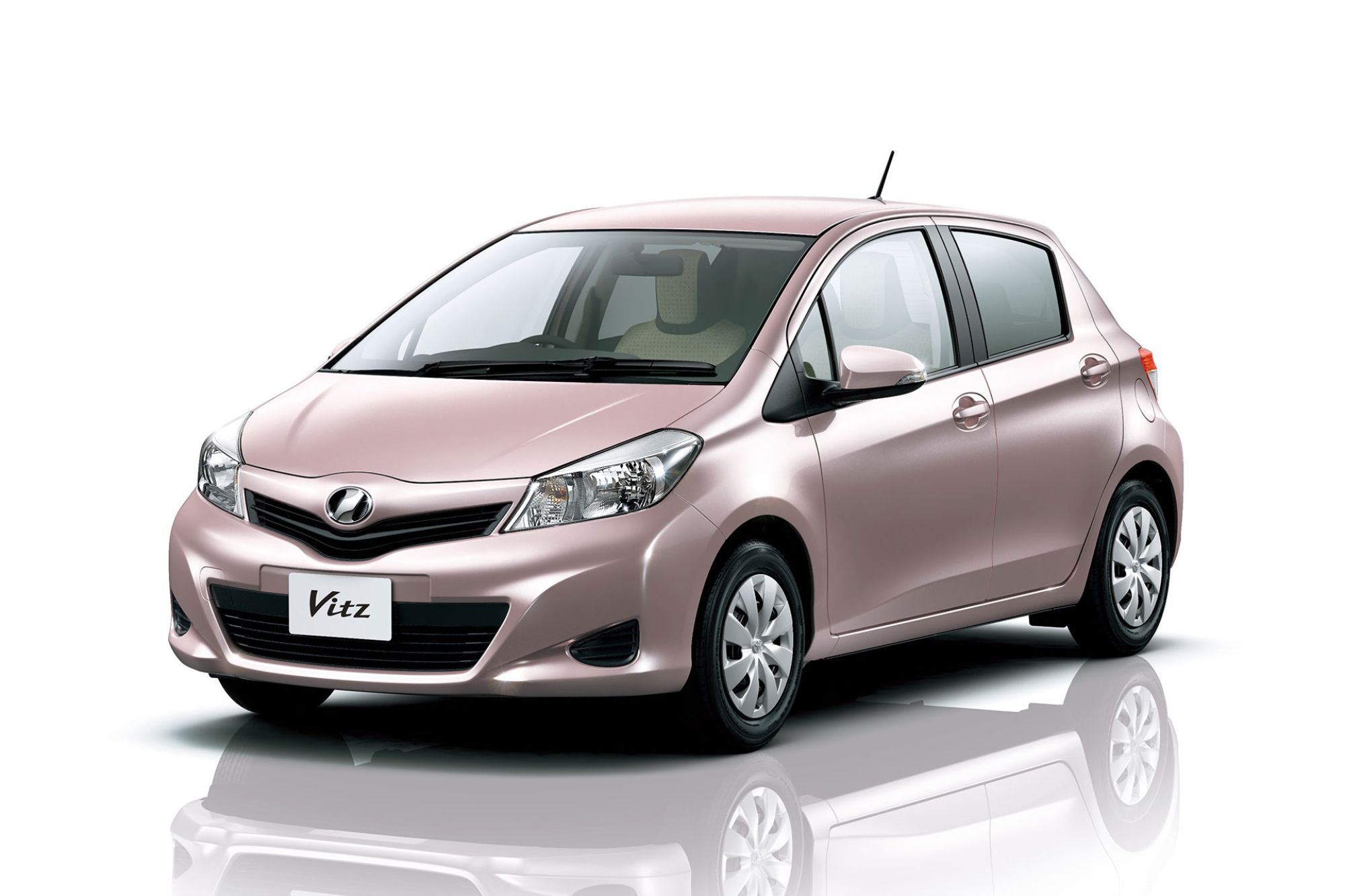
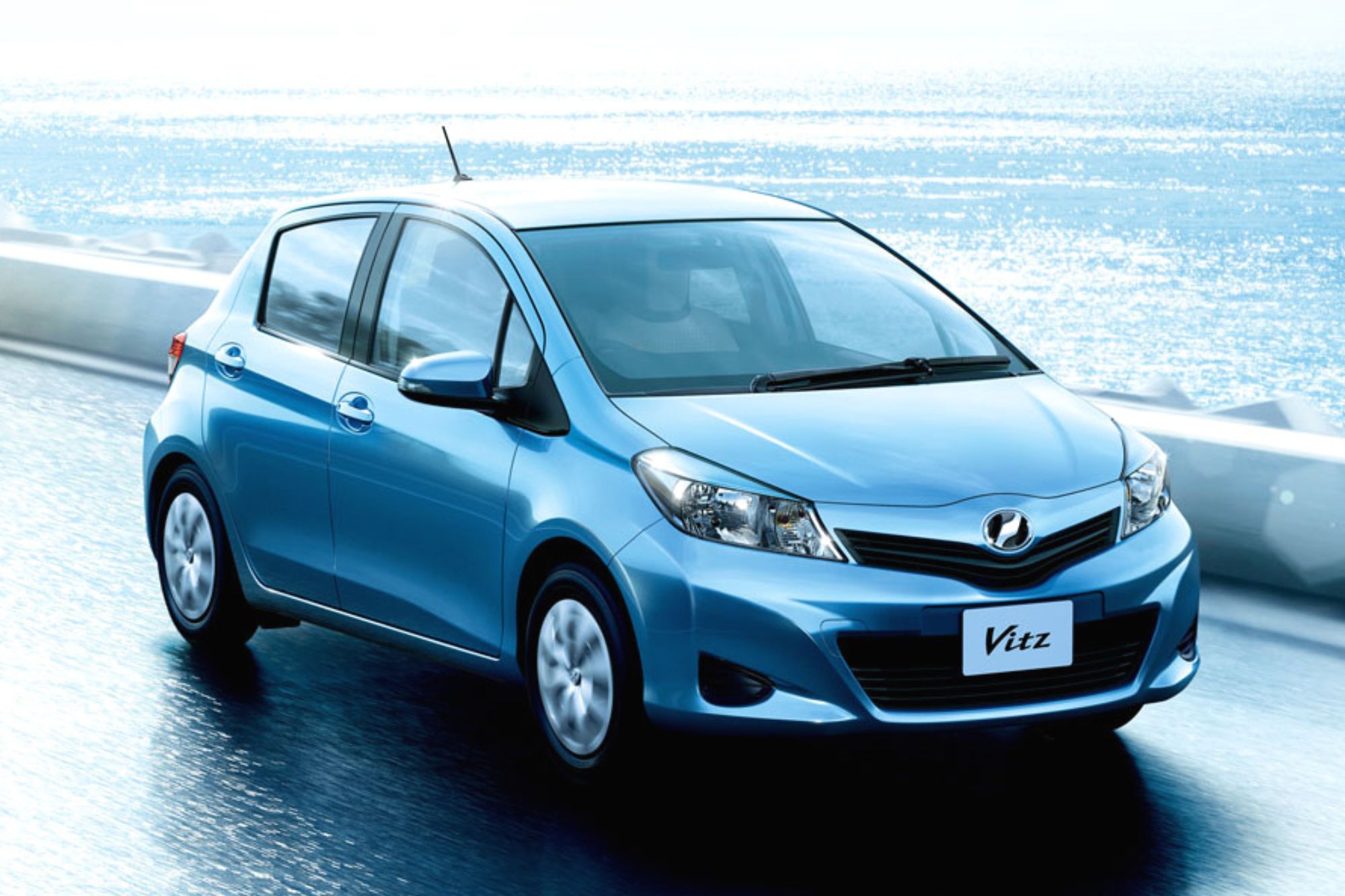
The Toyota Vitz is a compact hatchback that has become one of the default first cars for Kenyan drivers. Toyota launched it in Japan in January 1999 as the successor to the Starlet, naming it after the German word Witz, meaning wit or brilliance. Most markets outside Japan received the same car badged as the Toyota Yaris, and it briefly wore the Echo name in North America and Oceania.
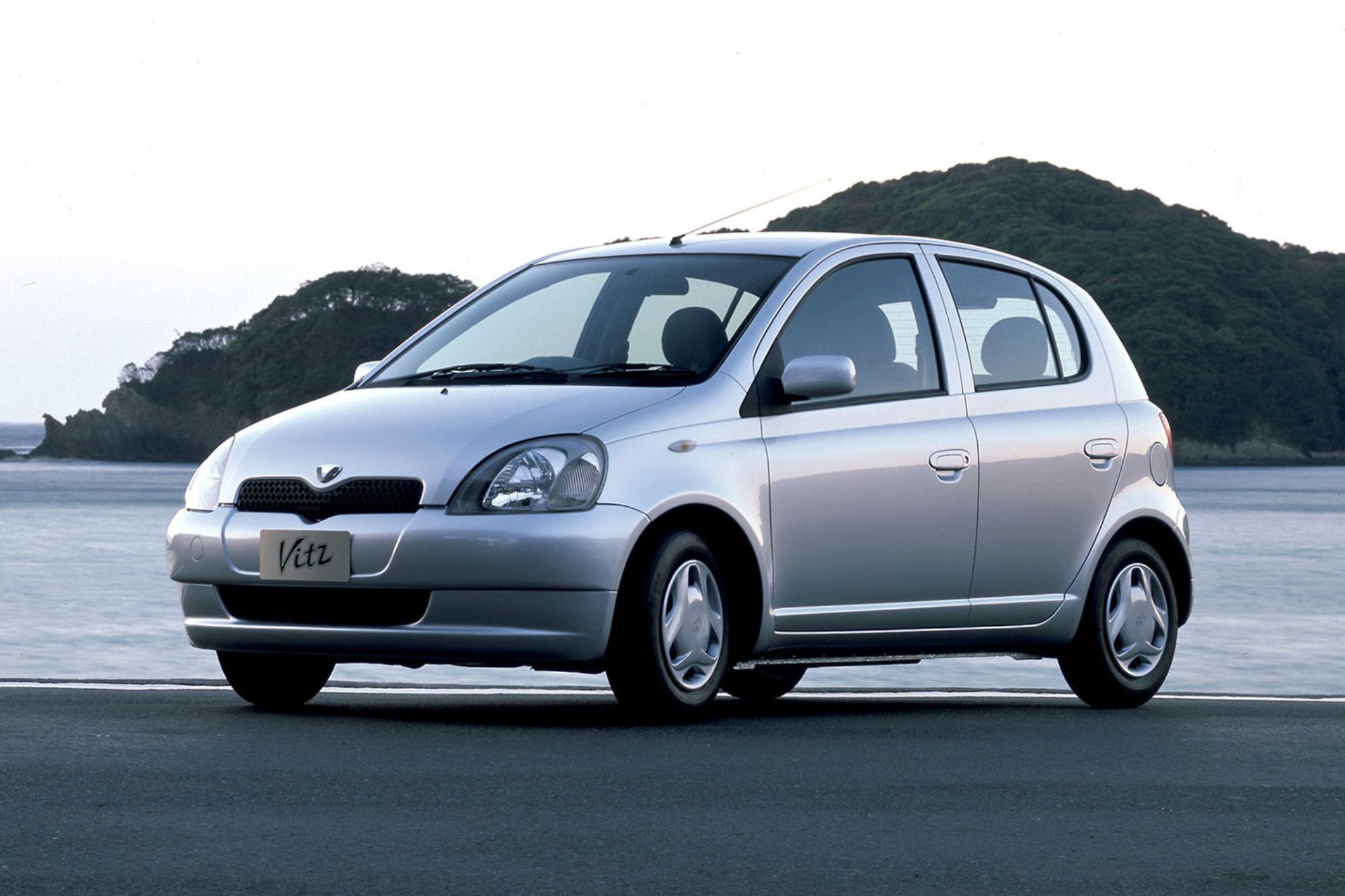
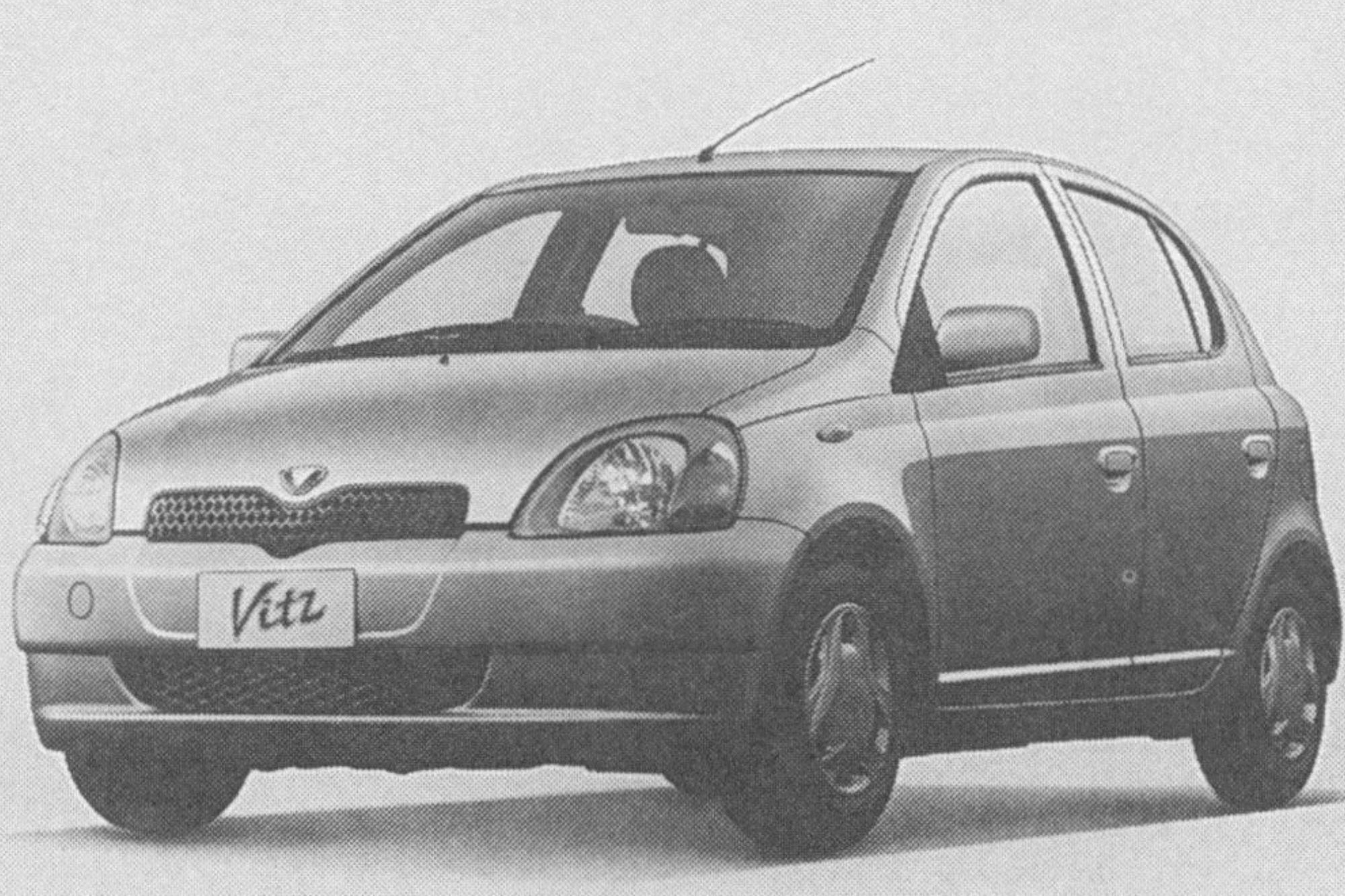
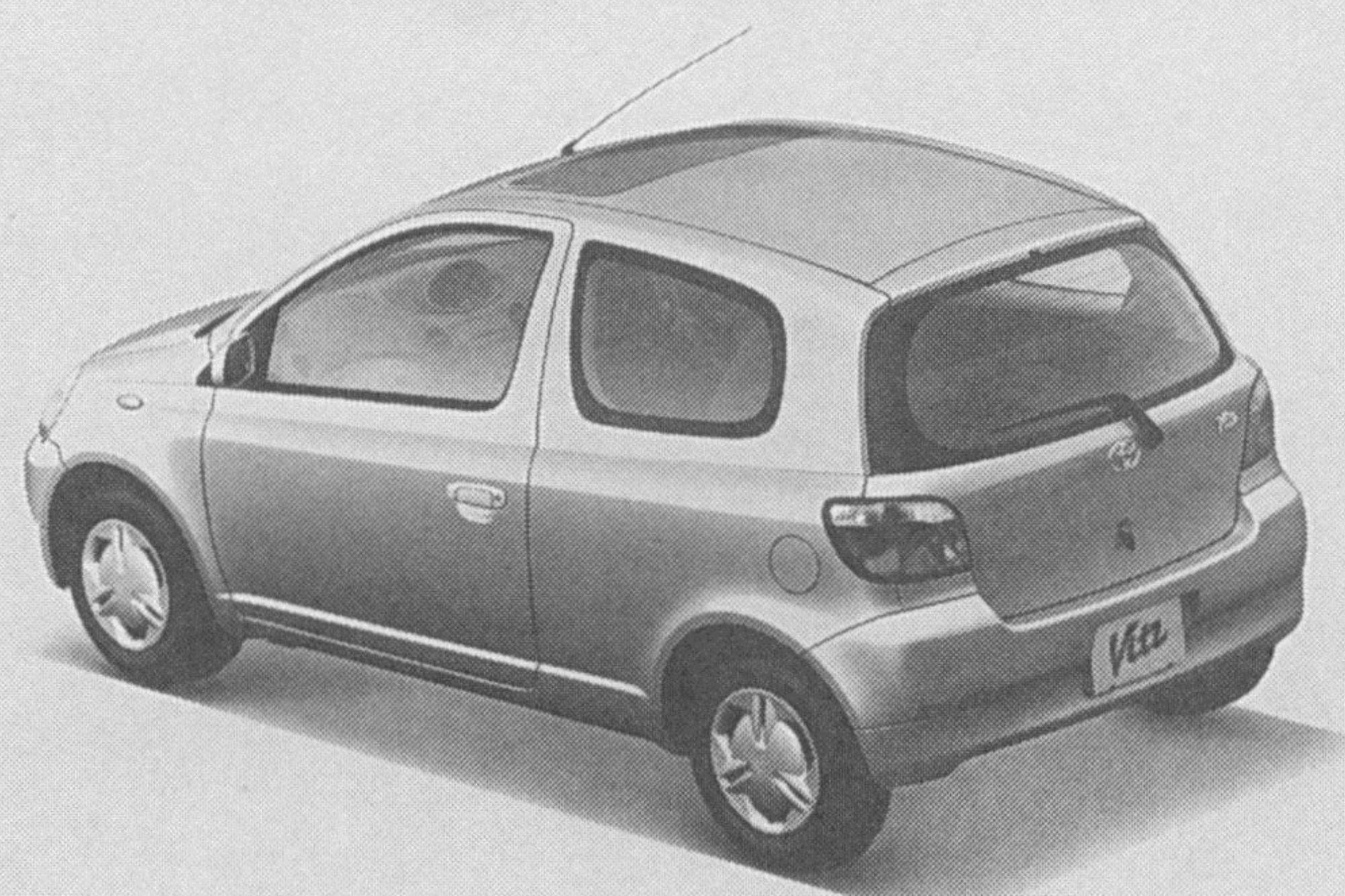
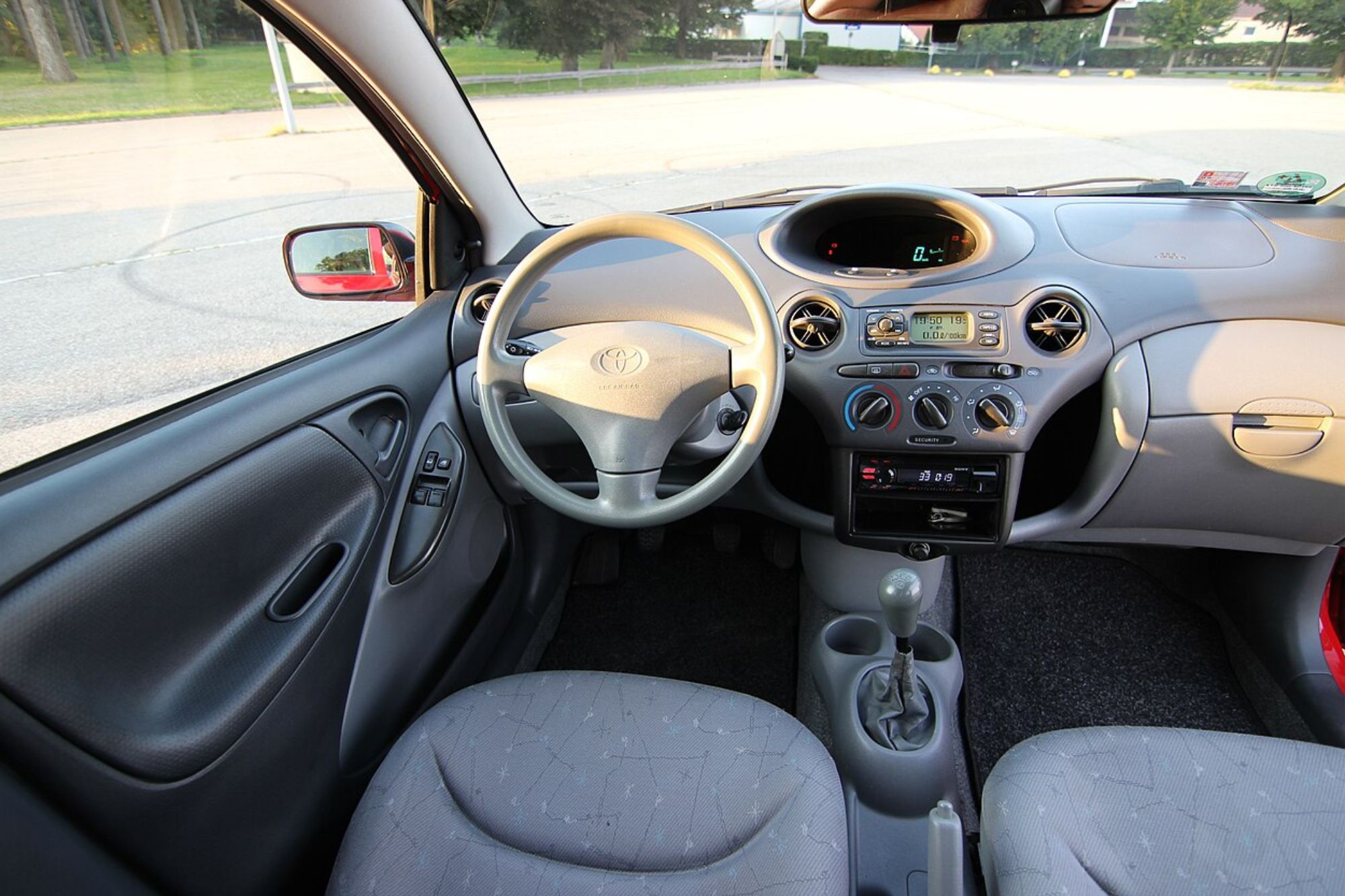
Toyota built the Vitz around a short, tall body that maximises cabin space and visibility without the running costs of a larger car. That formula made it an early and lasting success in Japan’s domestic market, and it went on to sell in more than 80 countries.
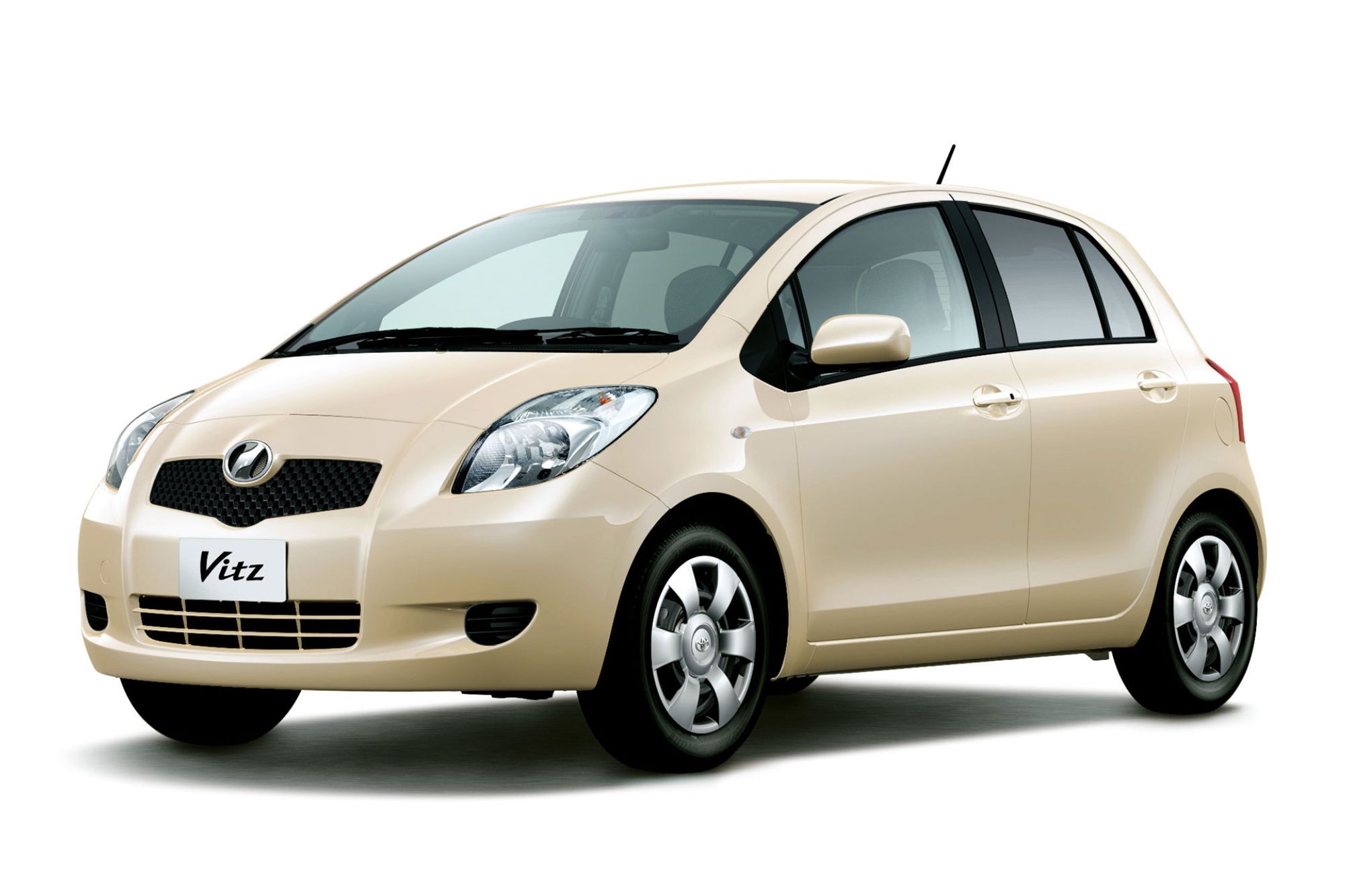
The model Kenyan buyers see most often is the third-generation Vitz, known internally as the XP130, produced from 2010 to 2020. It brought a longer wheelbase than its predecessor, a wider engine range, and, from a January 2017 update, Toyota Safety Sense C as standard equipment across the range.
CN Buyer’s Note
Toyota dropped the Vitz nameplate in Japan in 2020, replacing it with the Yaris. In 2023, Toyota South Africa revived the Vitz name for a rebadged Suzuki Celerio, a different and smaller car built in India. That model has not featured in Kenya’s Japan-import market, so a used Vitz bought in Kenya today is almost always the 2010-2020 Japanese-built XP130 hatchback described in this review, not the South African car of the same name. Worth confirming with your dealer if a listing is unclear.
Exterior Design
What Does the Toyota Vitz Look Like?
The Vitz follows Toyota’s short-and-tall design approach for small cars, prioritising cabin space and visibility over sleek proportions. Pre-facelift XP130 models (2010-2016) have a simple, rounded front end, while the January 2017 refresh brought a sharper grille, available LED headlights, and a more assertive face on higher trims.
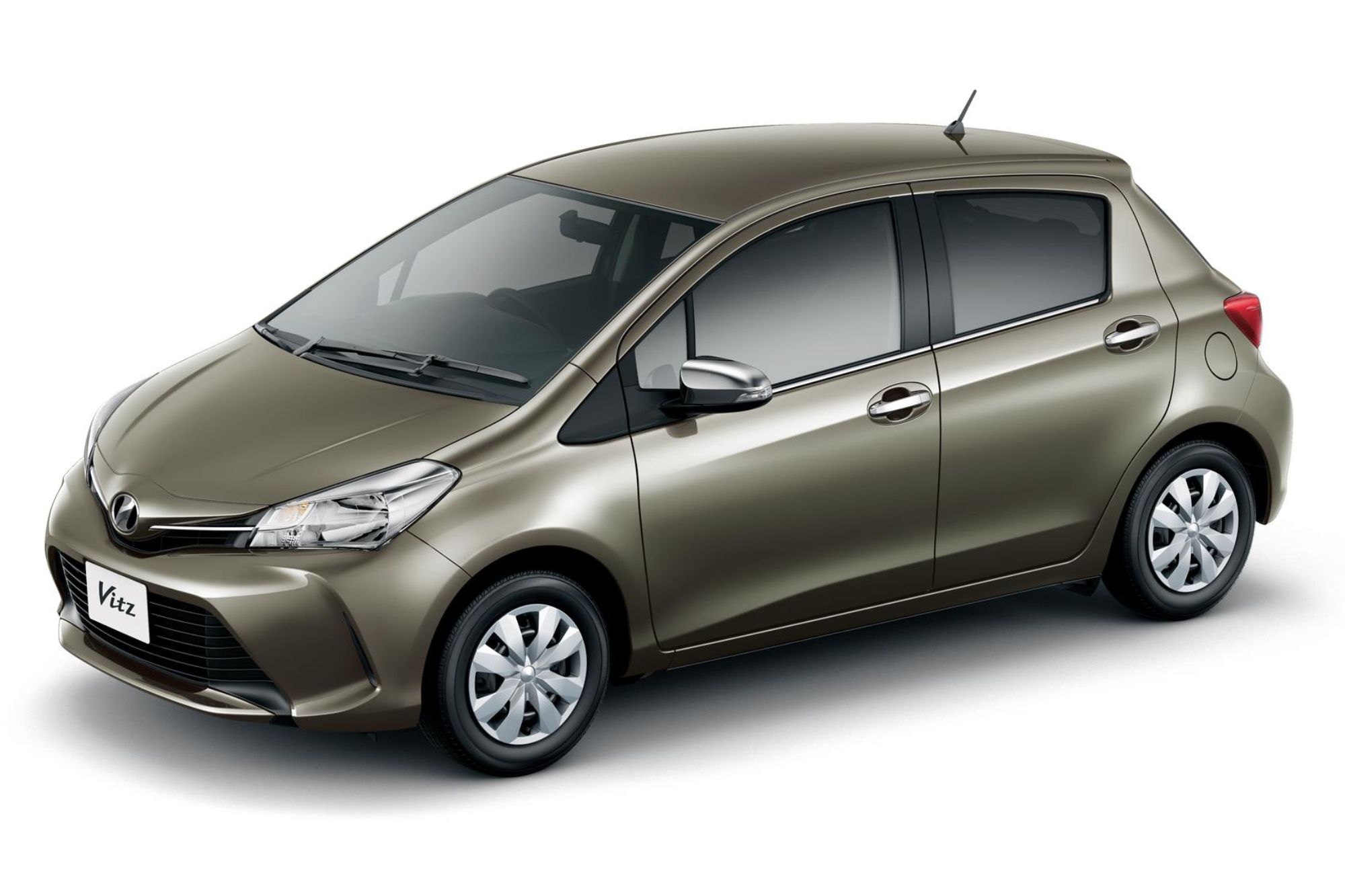
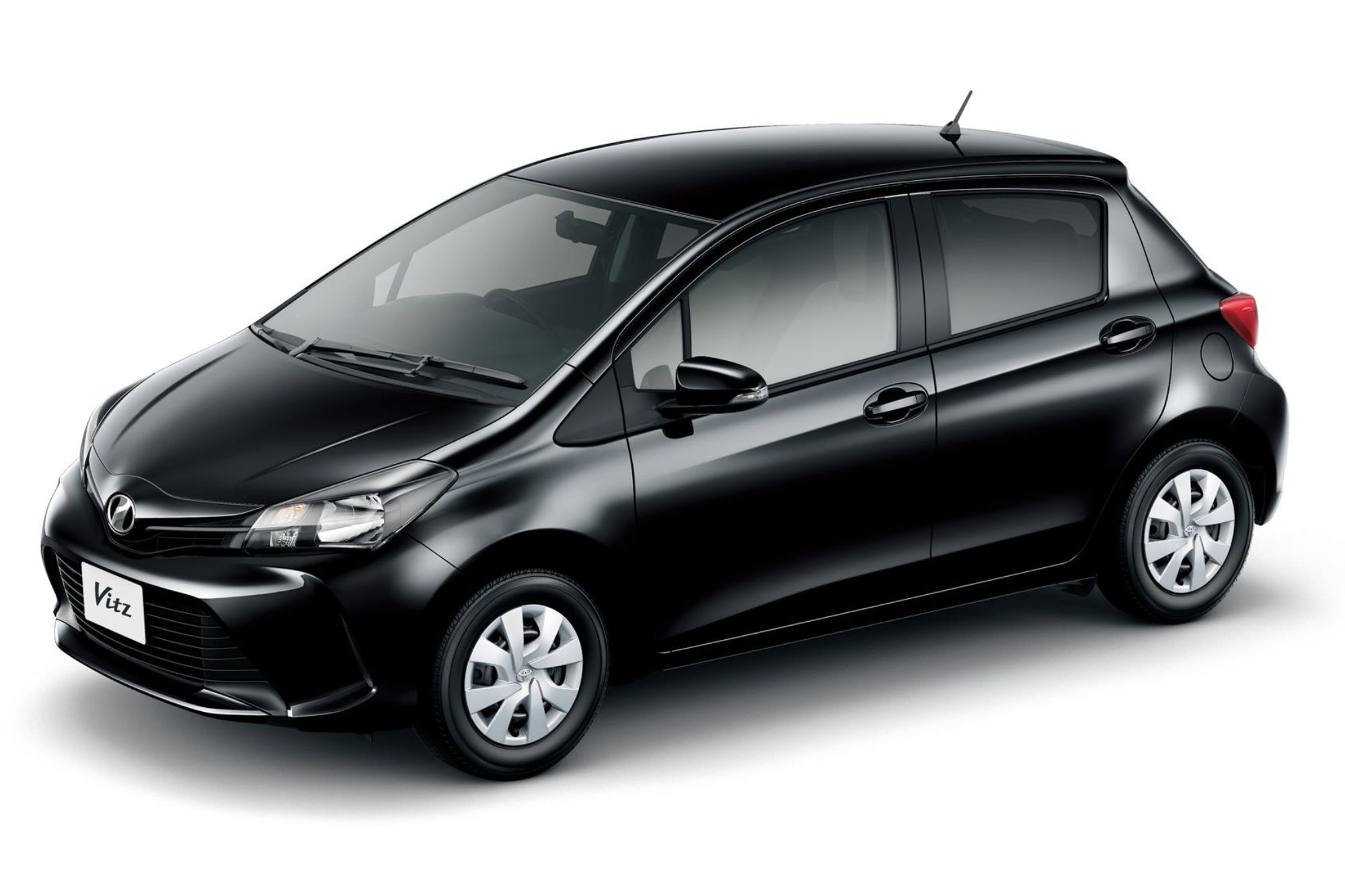
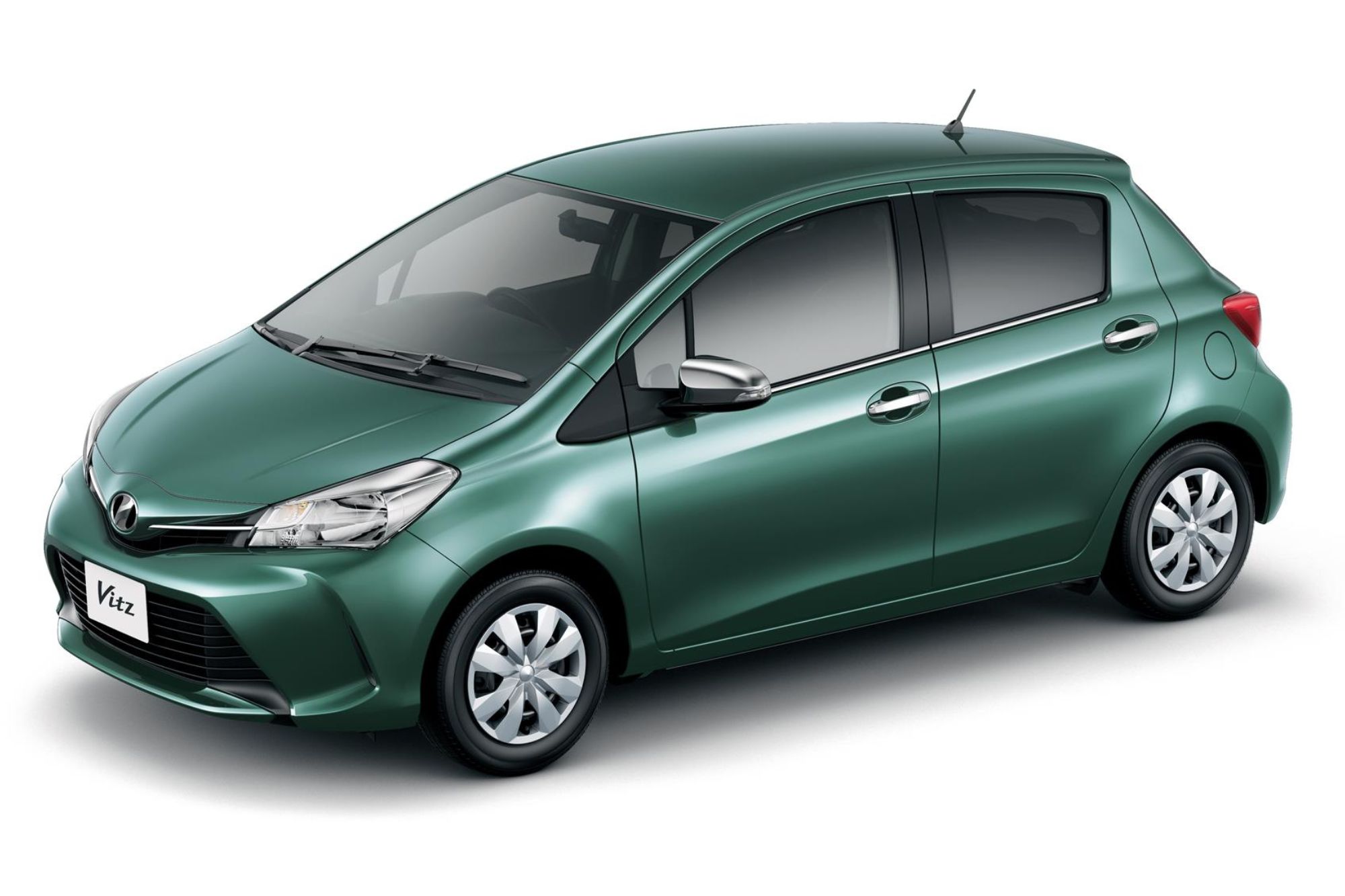
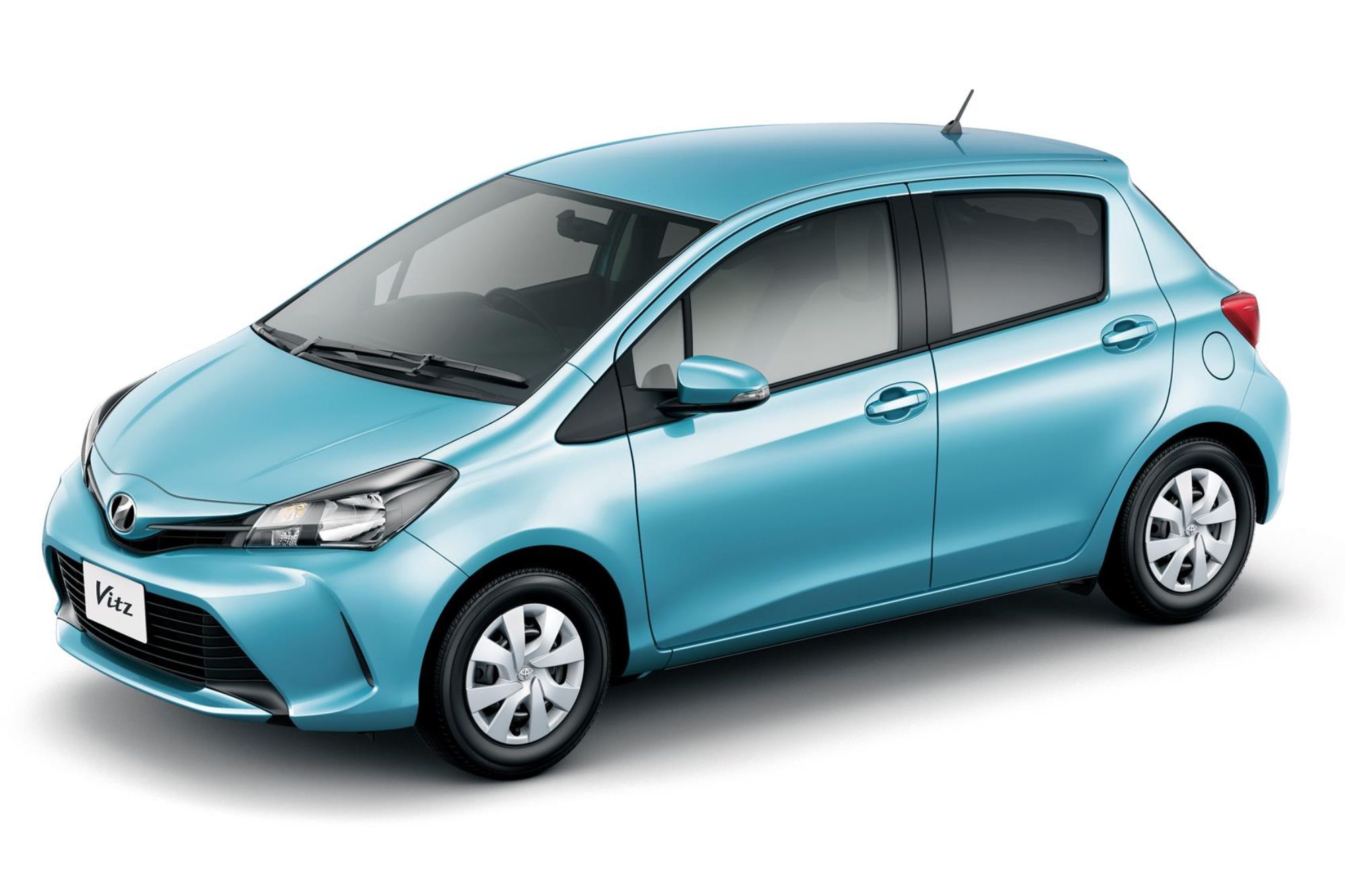
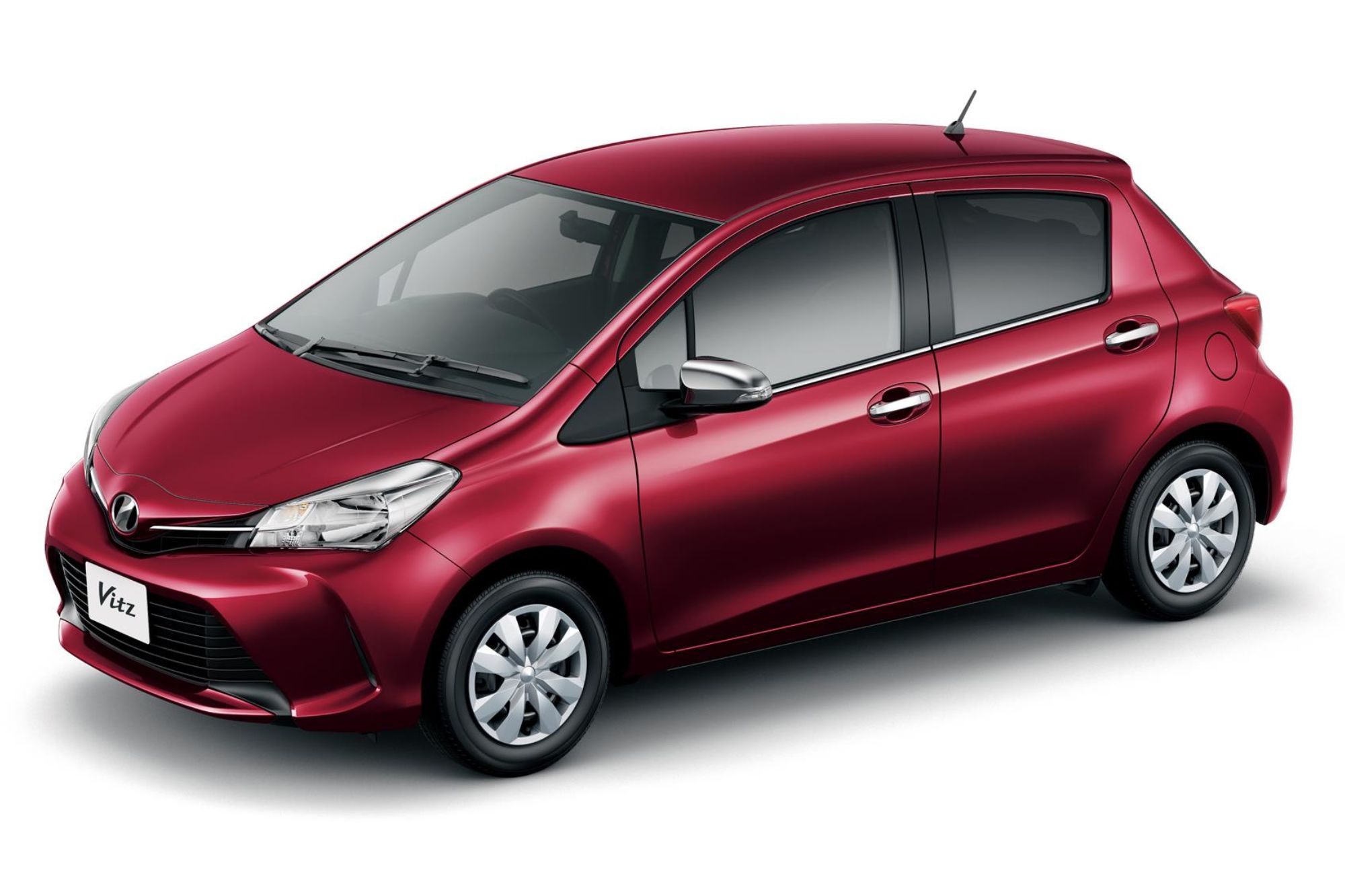
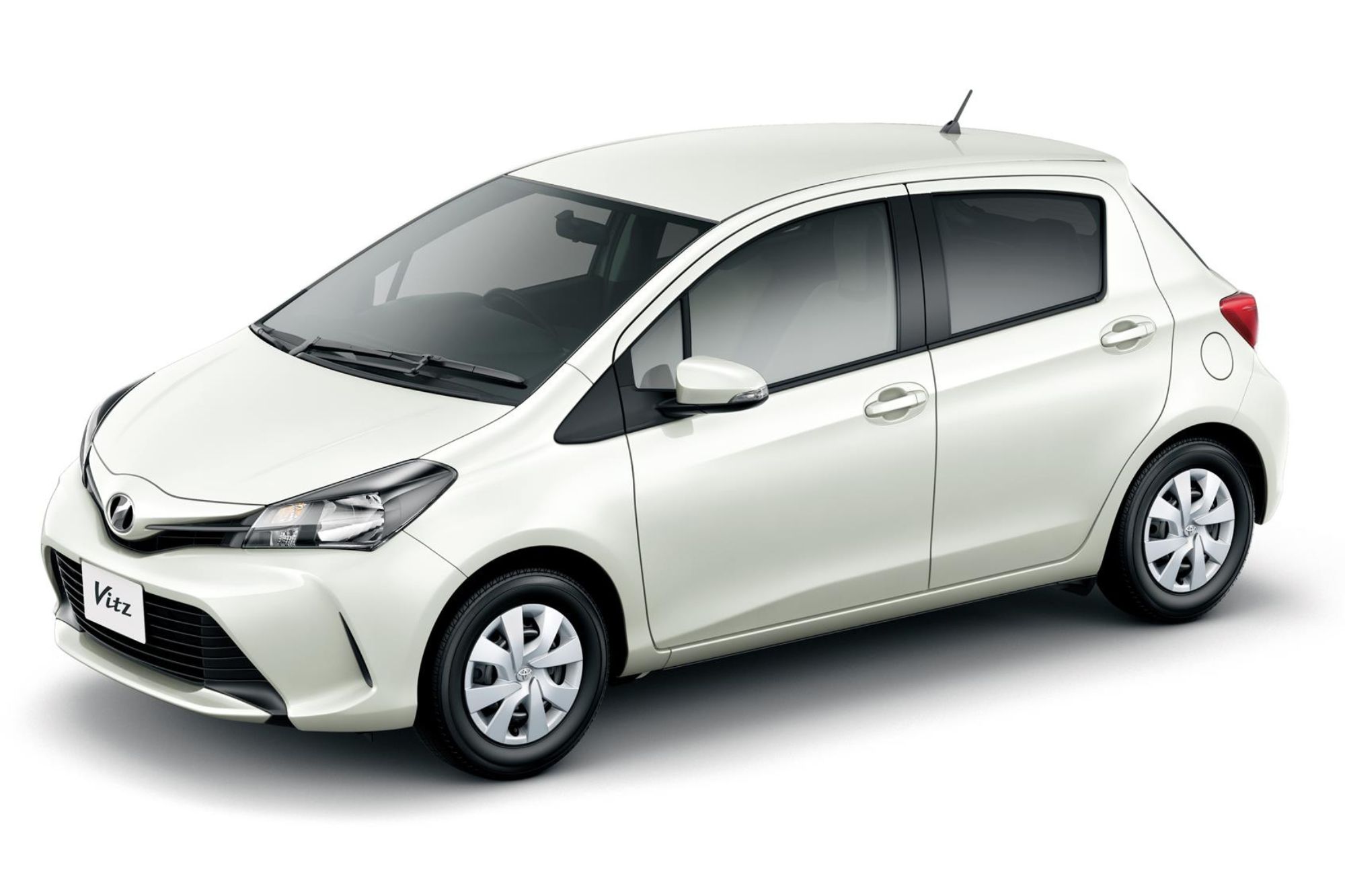
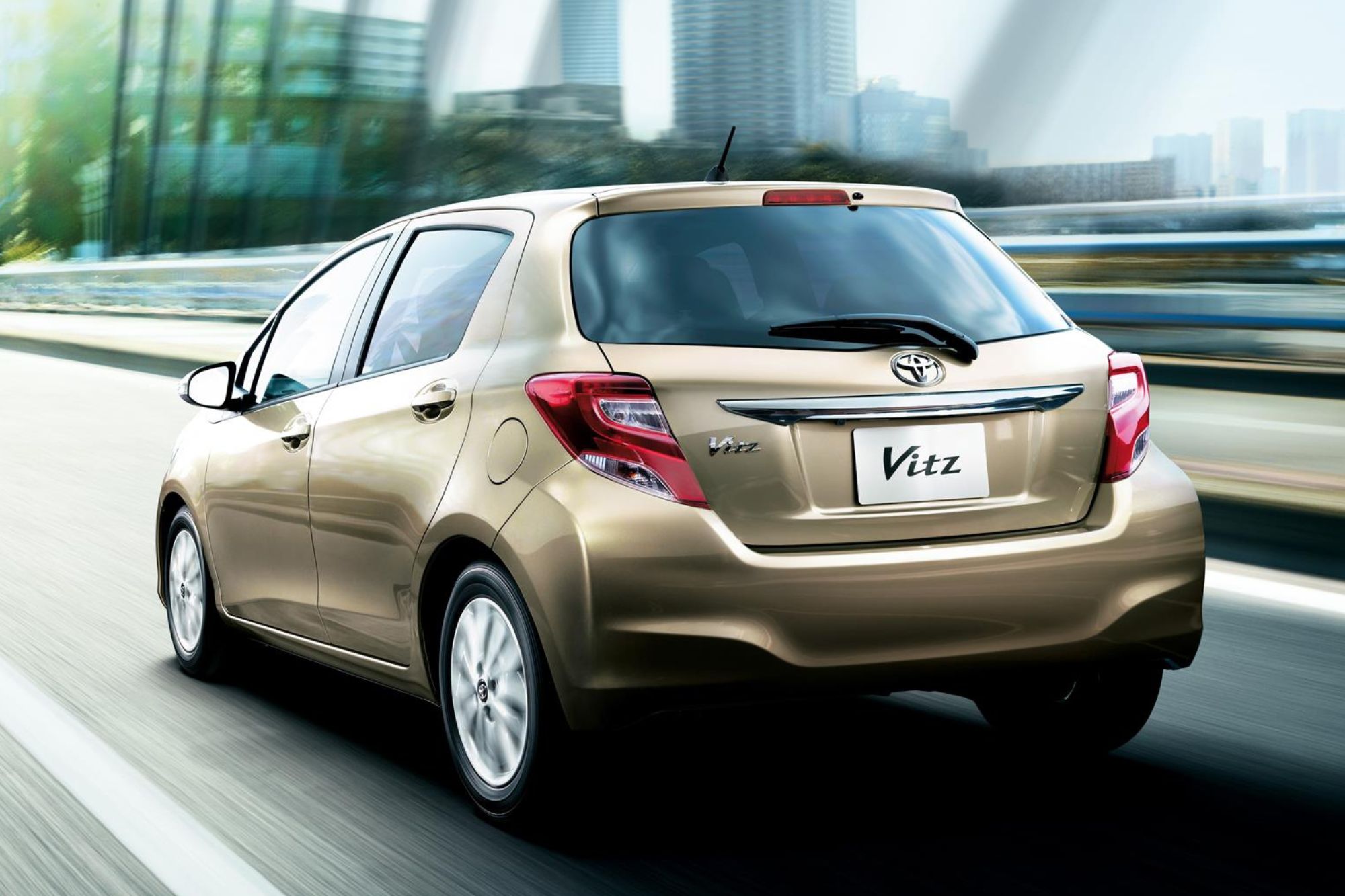
Hybrid models carry blue-tinted badging and Synergy Blue emblems, consistent with other Toyota hybrids of the era. The sportier RS grade, built around the 1.5-litre engine, adds a bodykit, larger wheels, and more aggressive styling than the standard car.
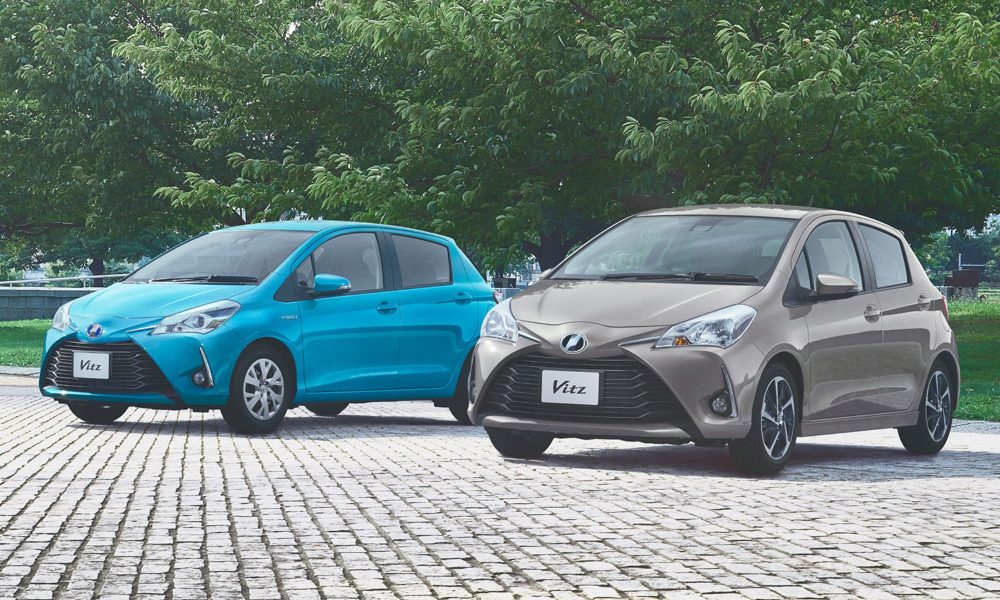
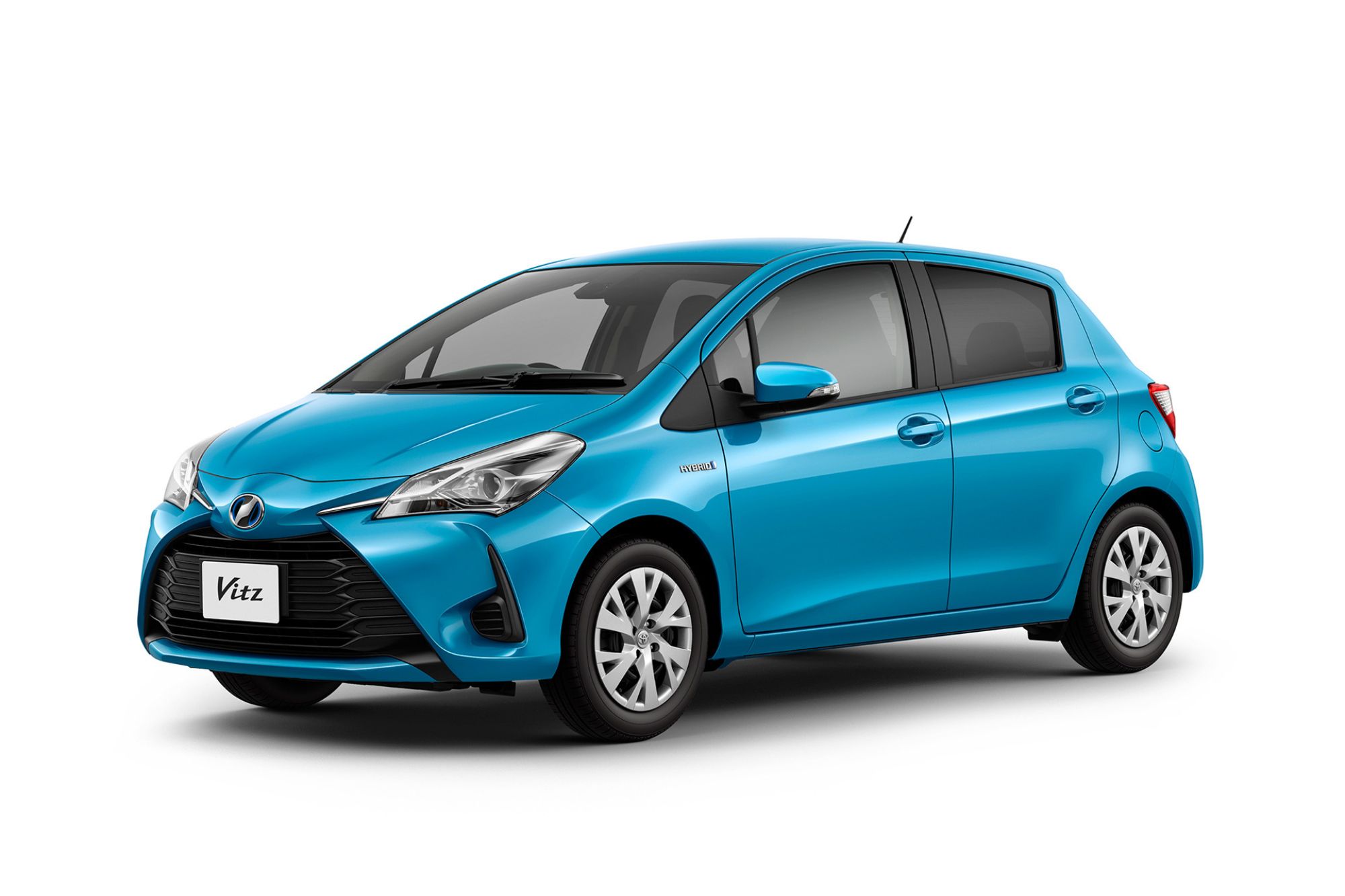
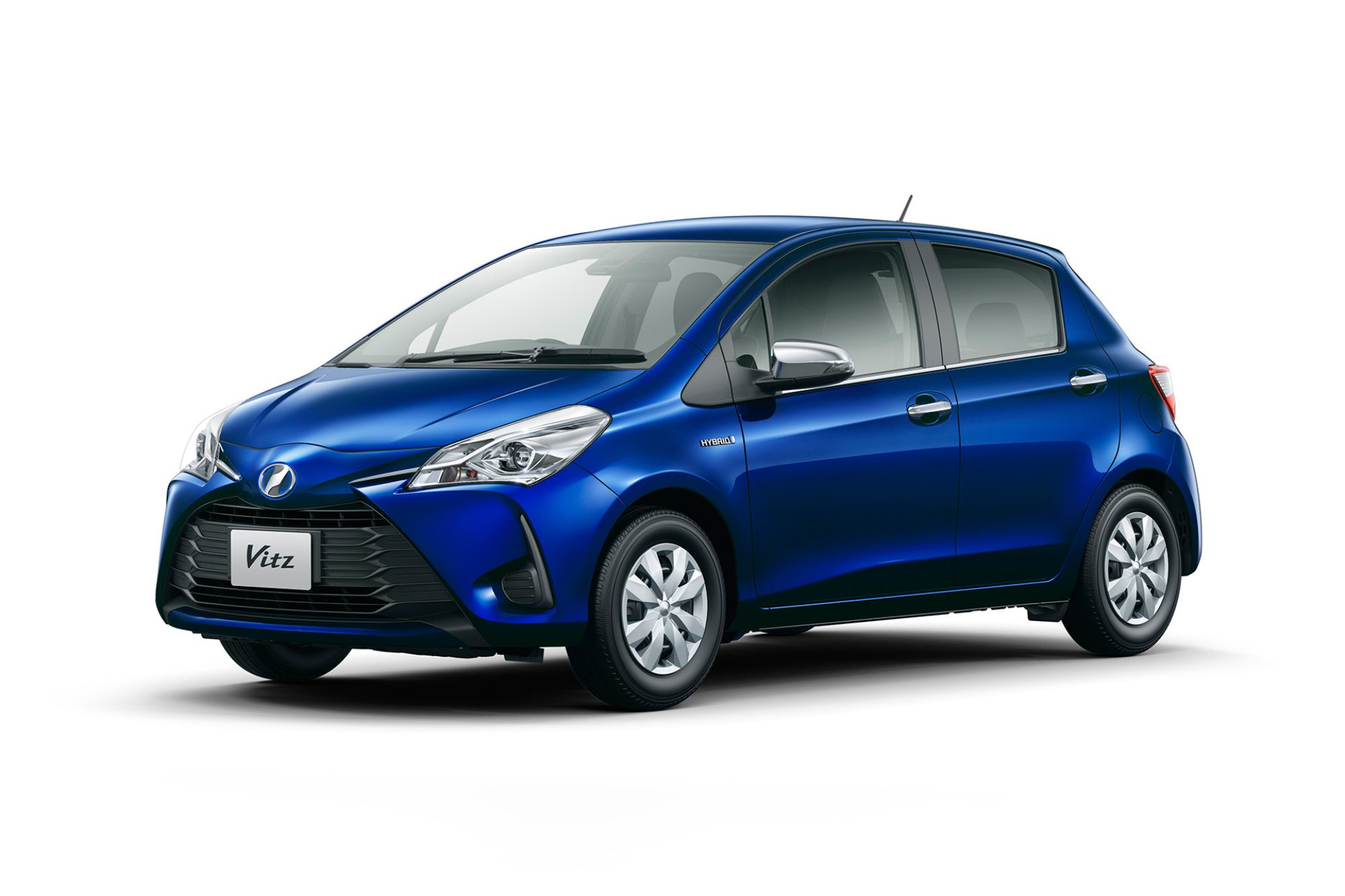
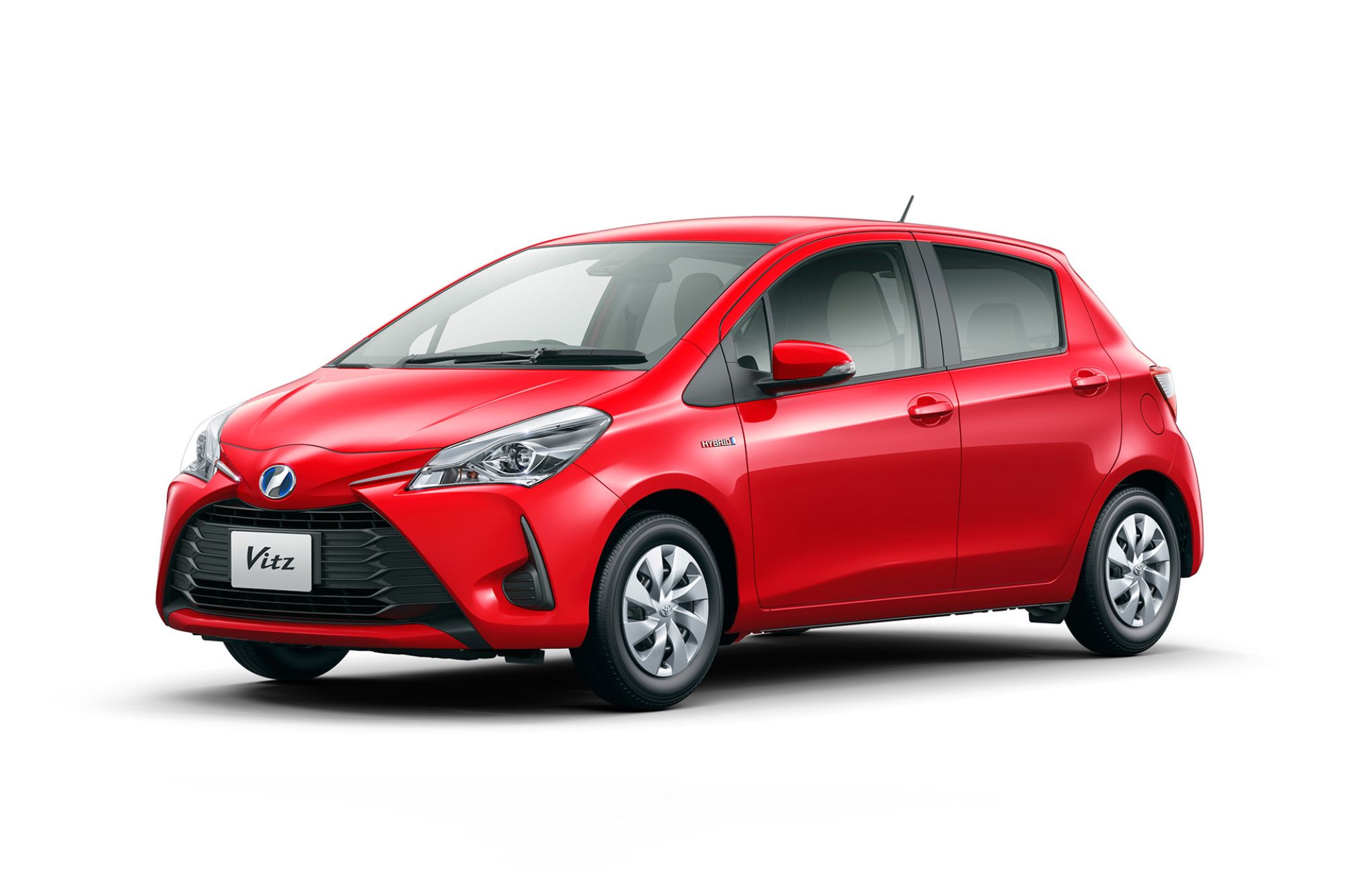
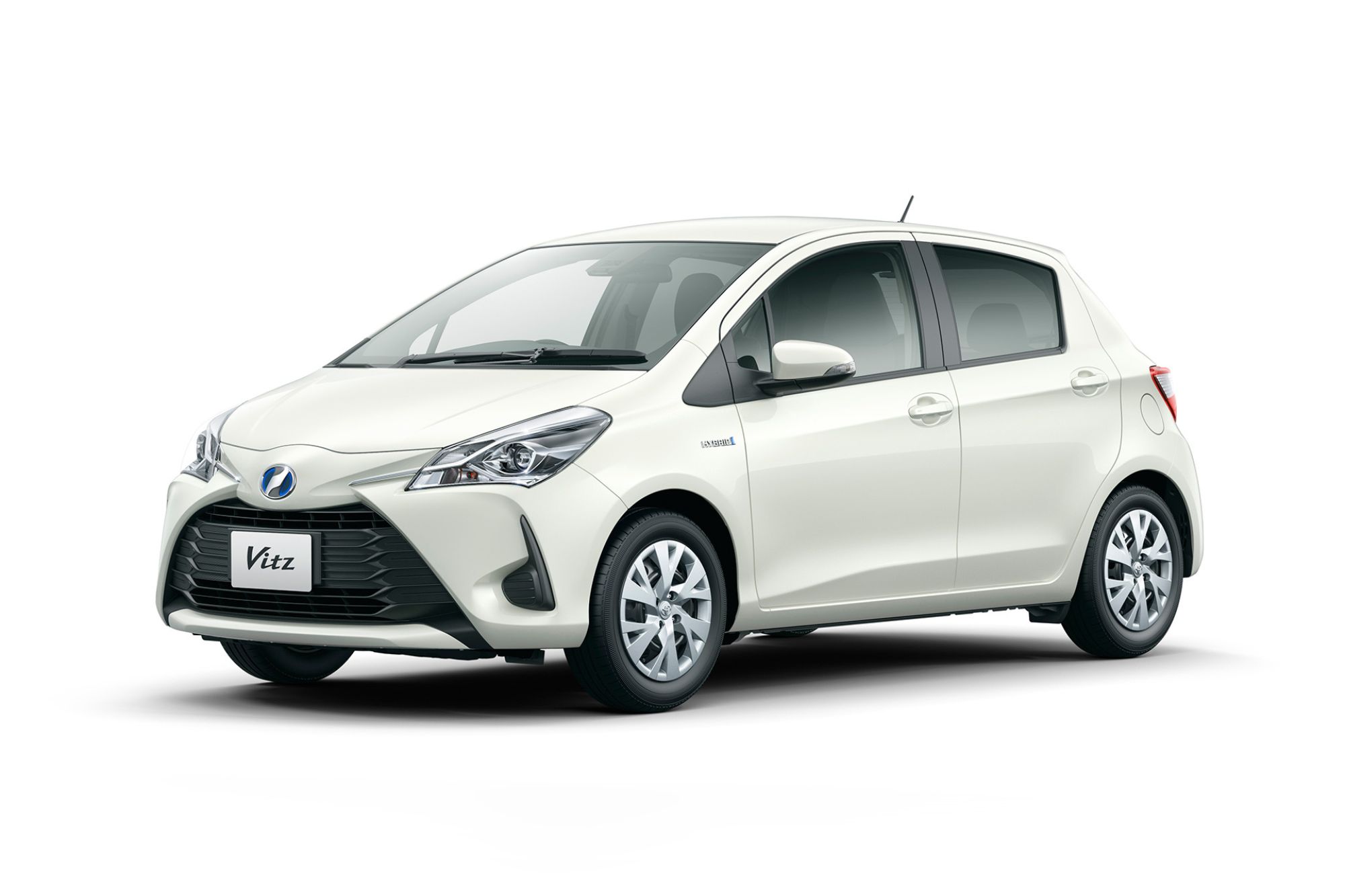
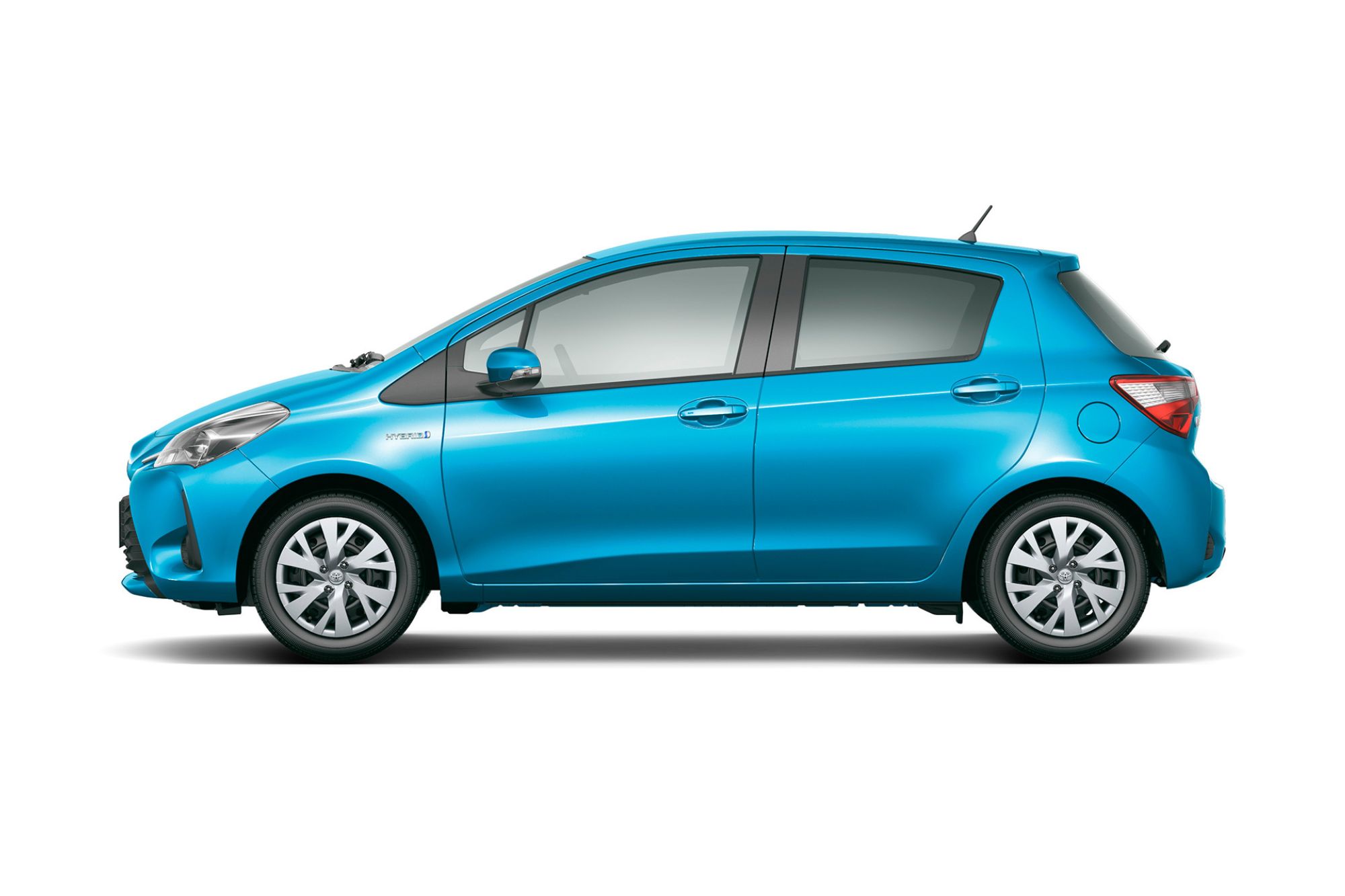
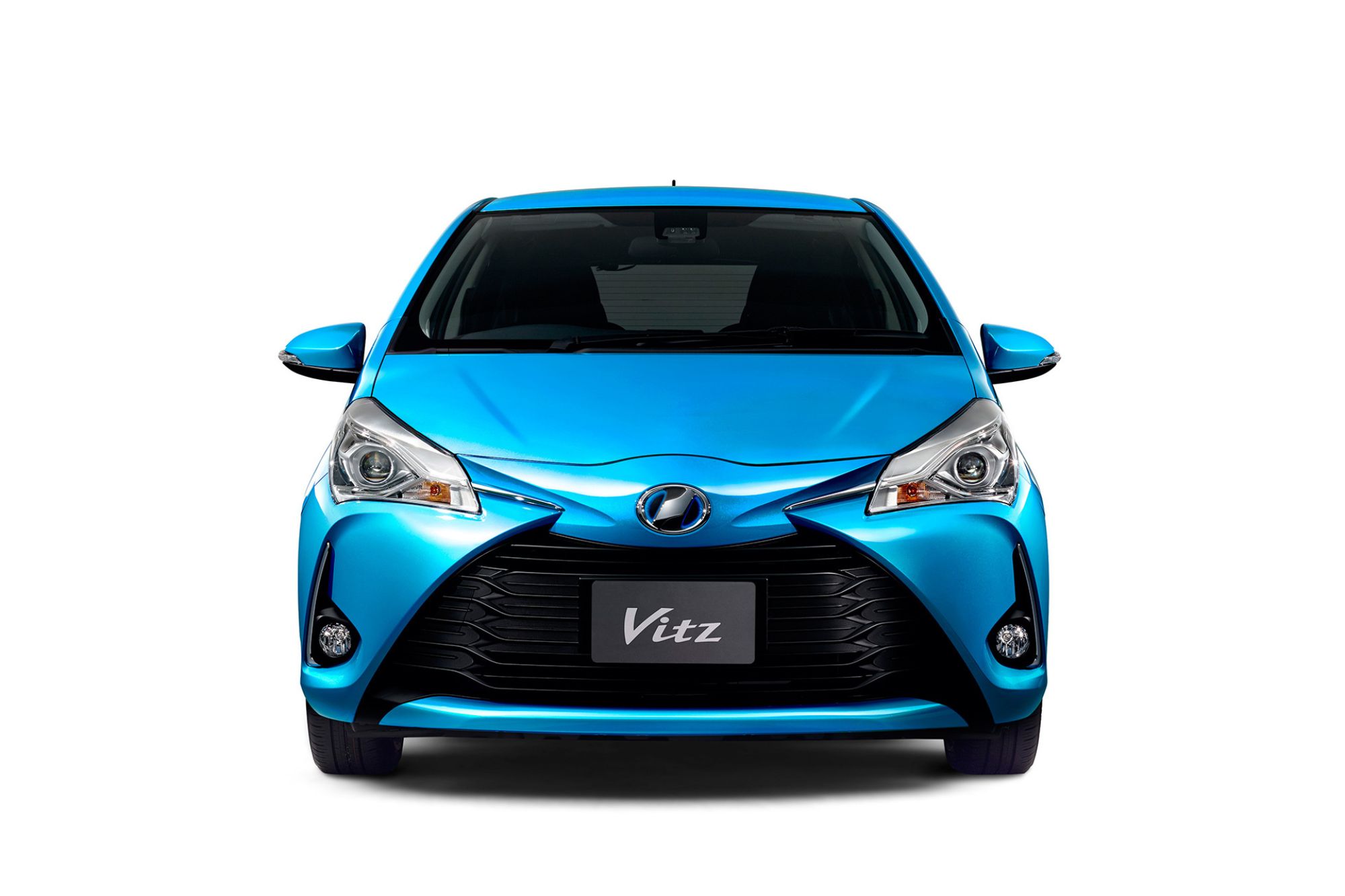
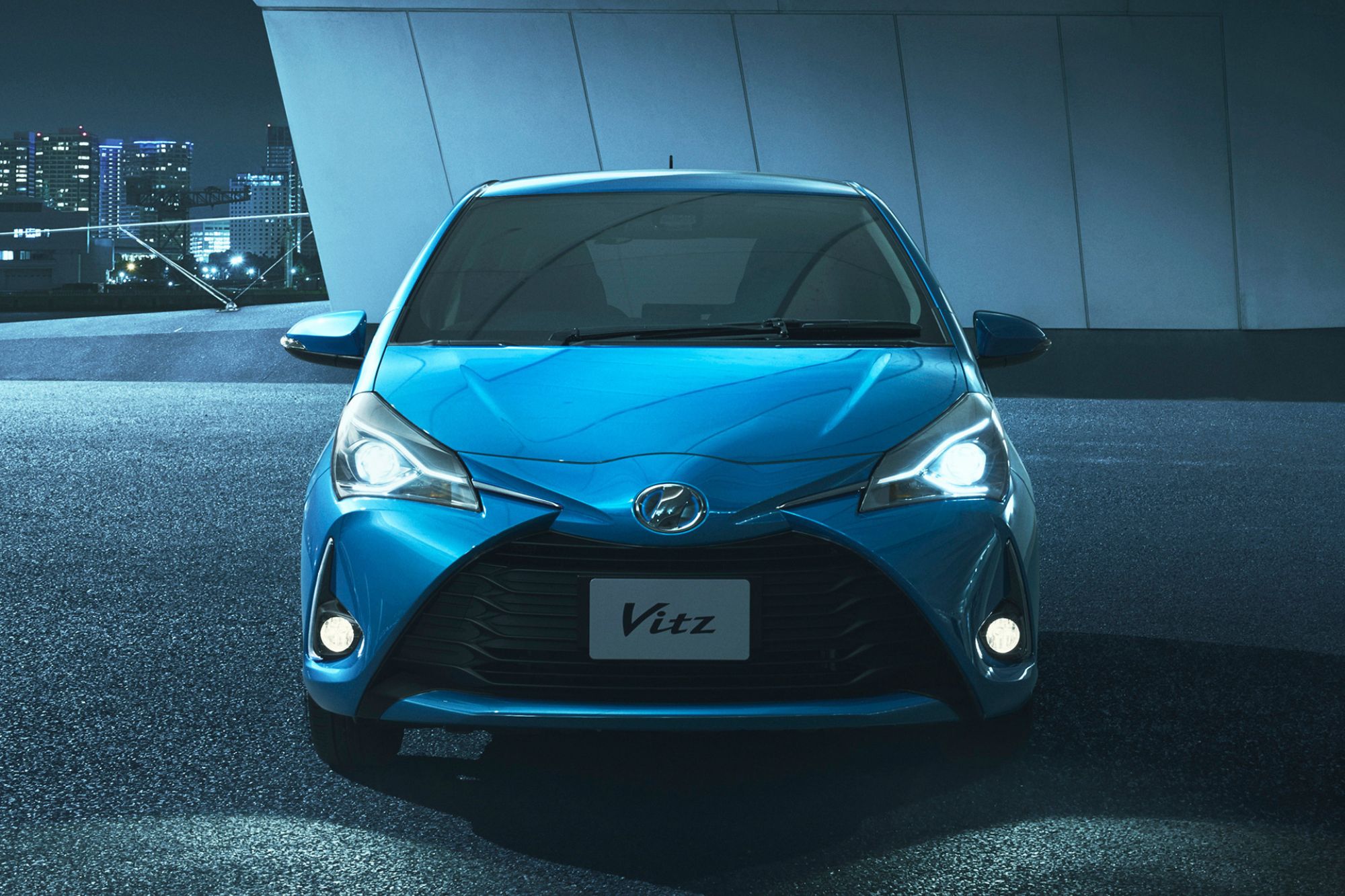
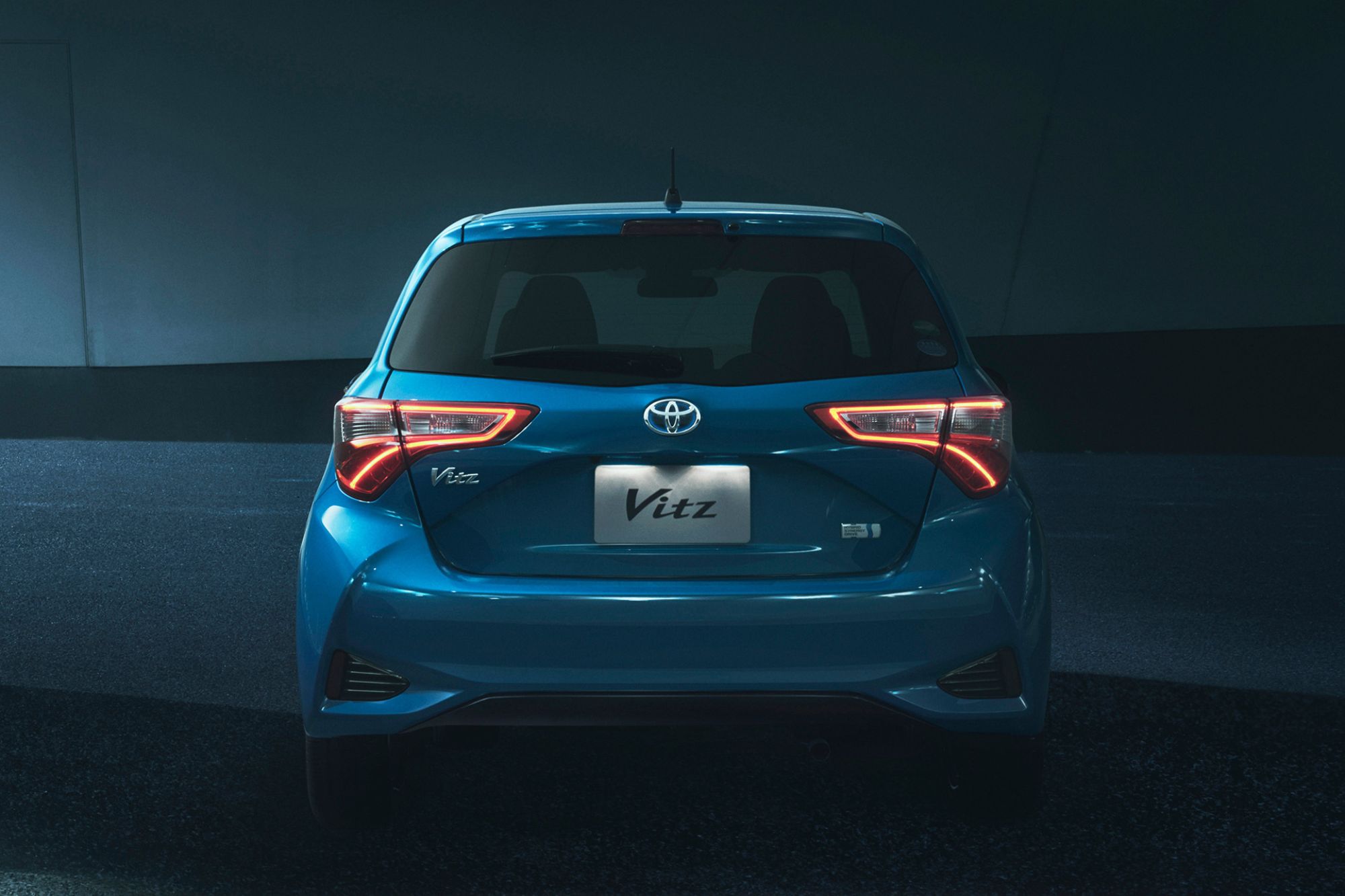

Entry-level units keep steel wheels and halogen lighting, while mid- and top-spec cars add alloy wheels. Checking the wheel and lighting spec is a quick way to identify which generation and grade a specific used unit is during inspection.
How Big Is the Toyota Vitz?
- Dimensions (L x W x H): 3945 x 1695 x 1500 mm
- Wheel Base: 2,510 mm
- Ground Clearance: Approximately 130-145 mm depending on model year and trim
- Weight: 970-1,080 kg depending on engine
- Boot Capacity: Approximately 268 Litres
- Seating: 5, though four adults travel more comfortably
- Min. Turning Radius: 4.5 m
Is the Toyota Vitz Built for Kenyan Roads?
This is the Vitz’s biggest practical limitation in Kenya. Motorists have consistently measured ground clearance between 130 mm and 145 mm across model years, below the roughly 165 mm many local guides recommend for Kenyan roads, and it will not clear some speed bumps without care. The Vitz is best treated as a sealed-road, urban and highway car rather than one for rural or poorly maintained routes.
Interior & Practicality
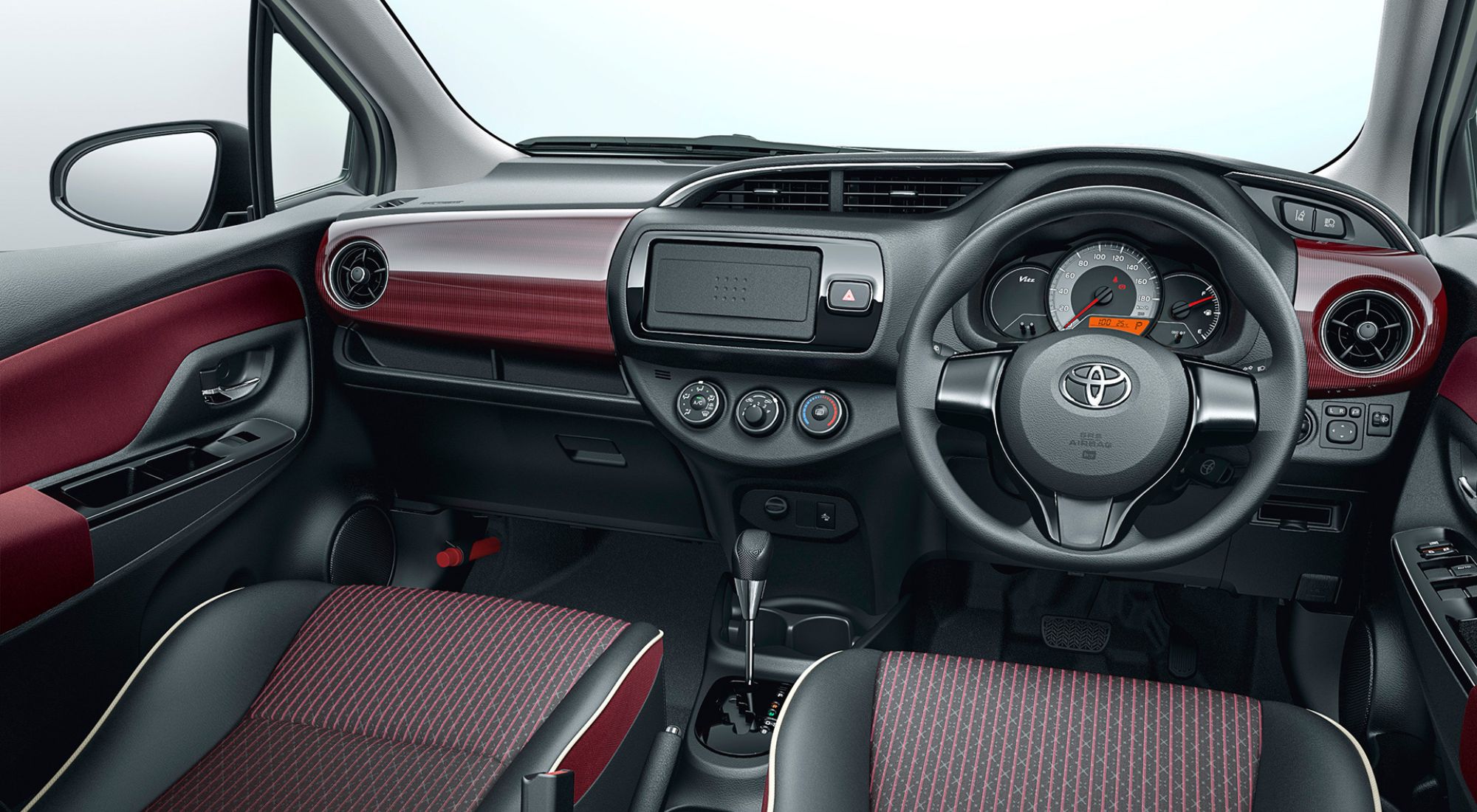
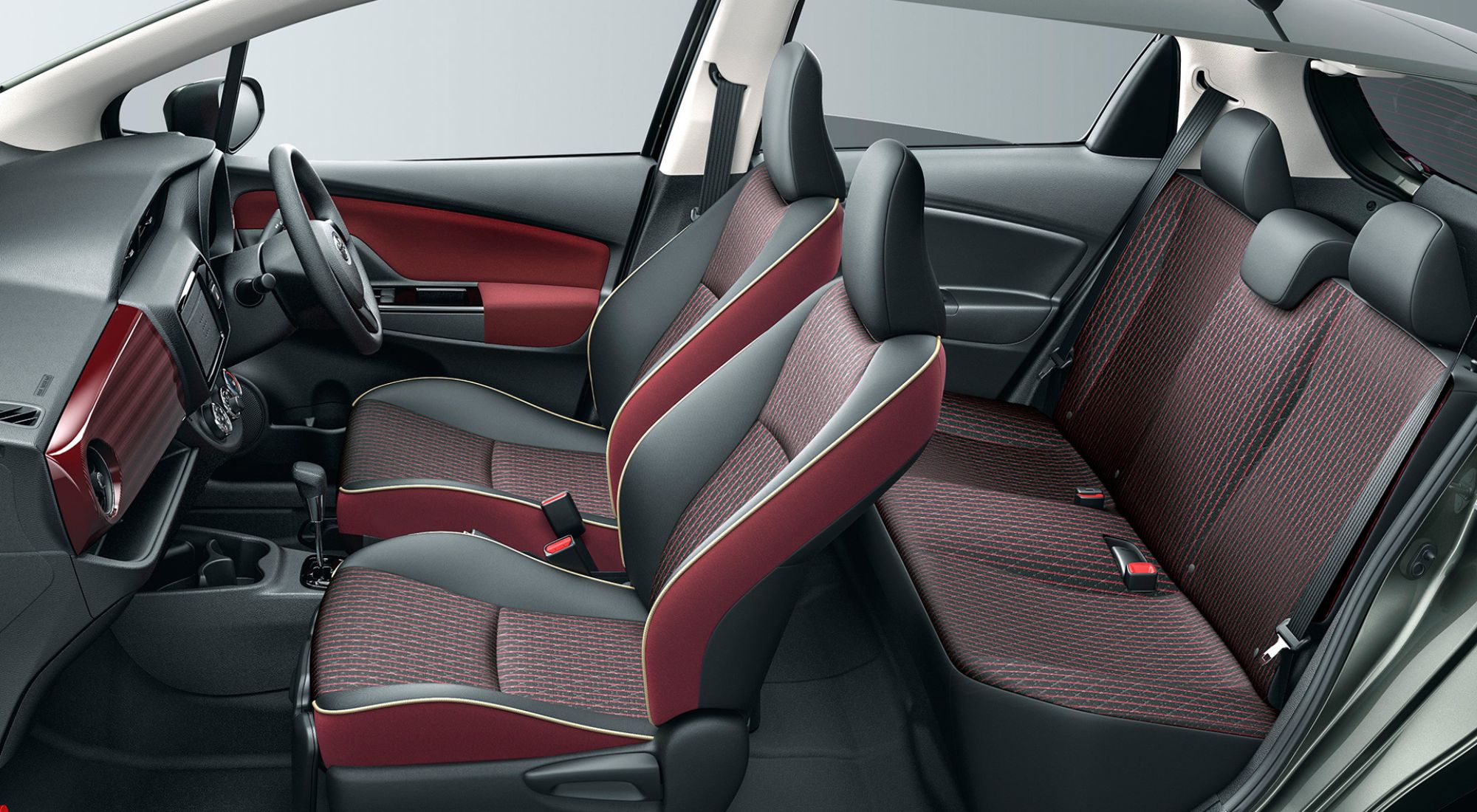
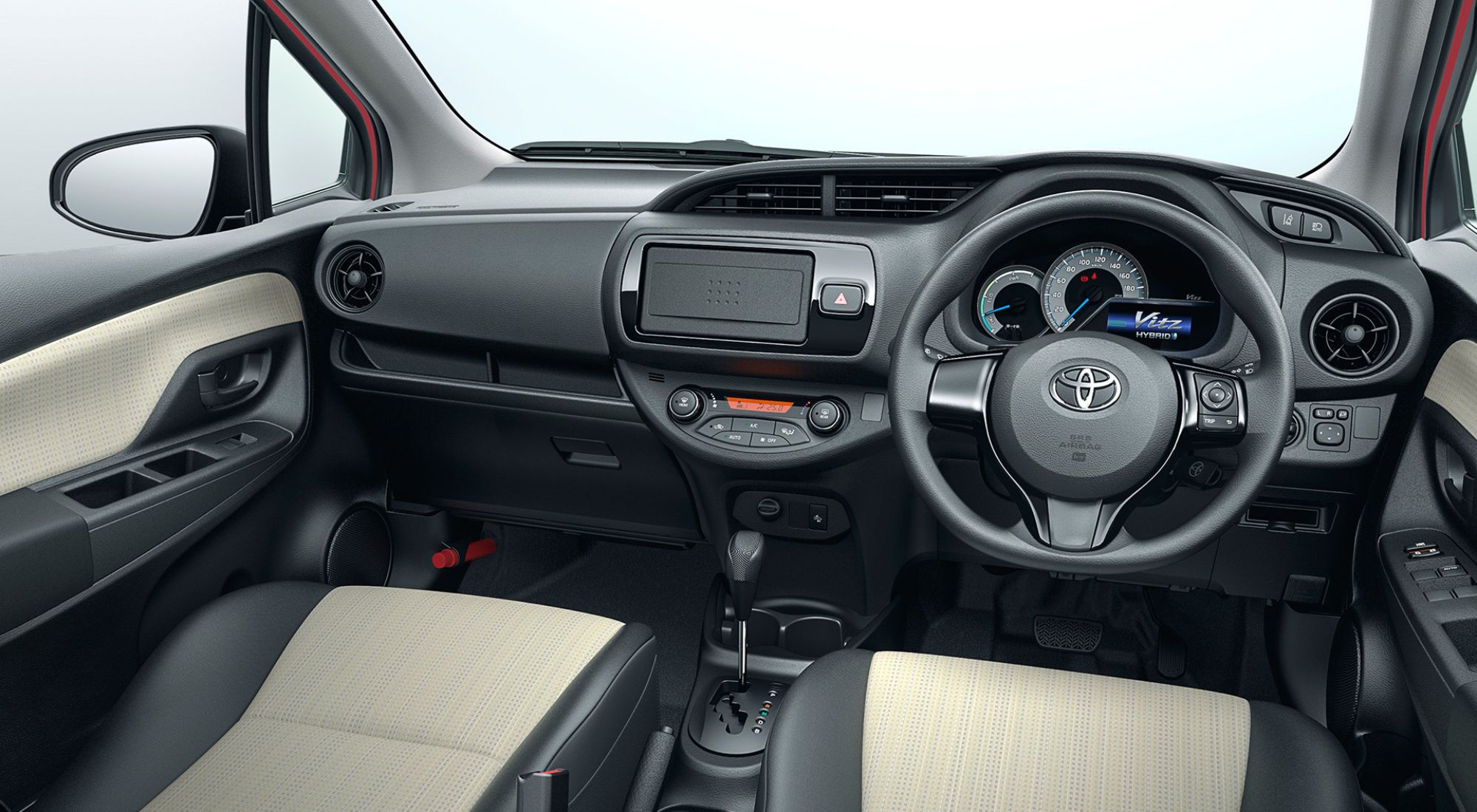
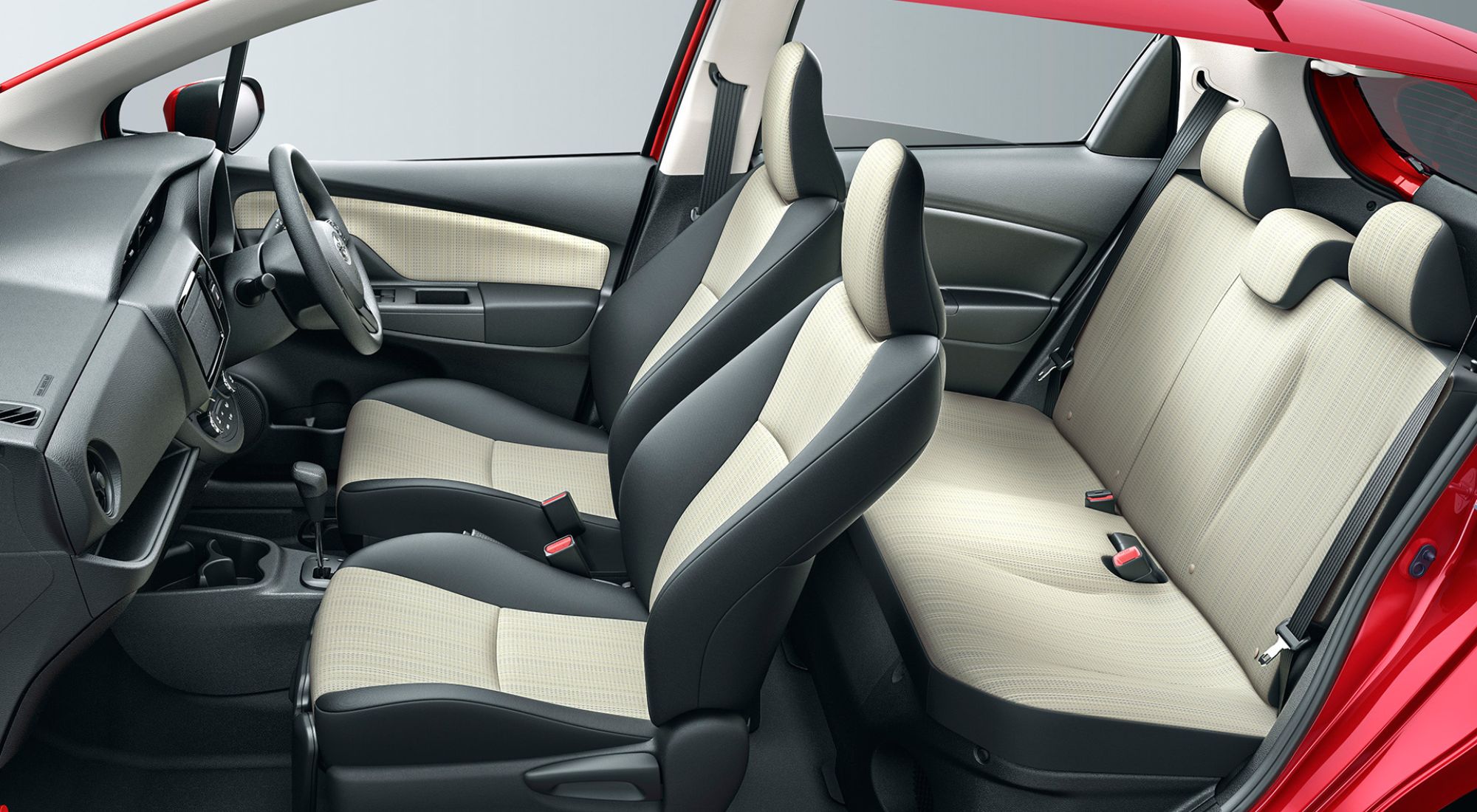
What Is the Toyota Vitz Like on the Inside?
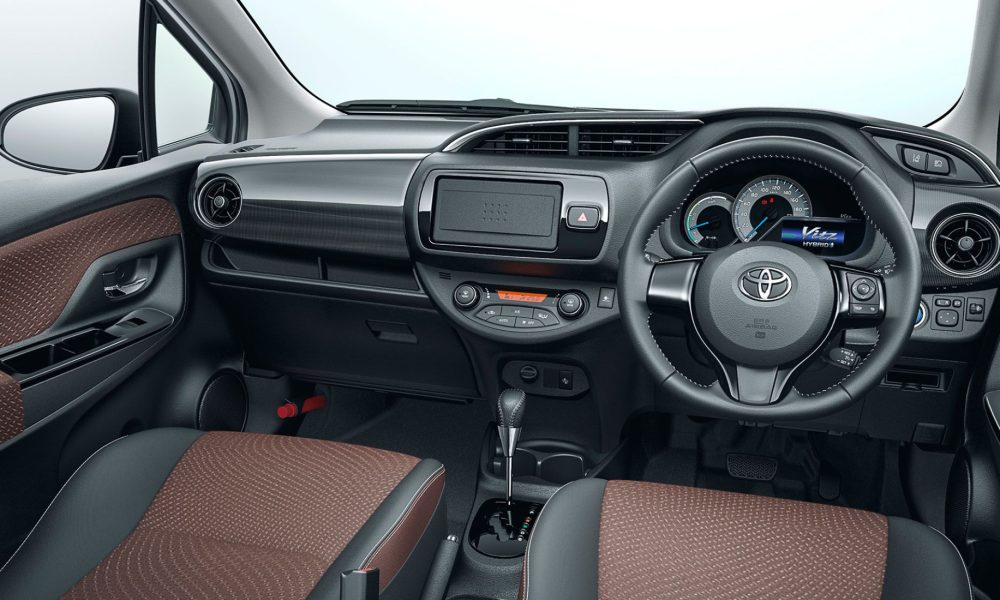
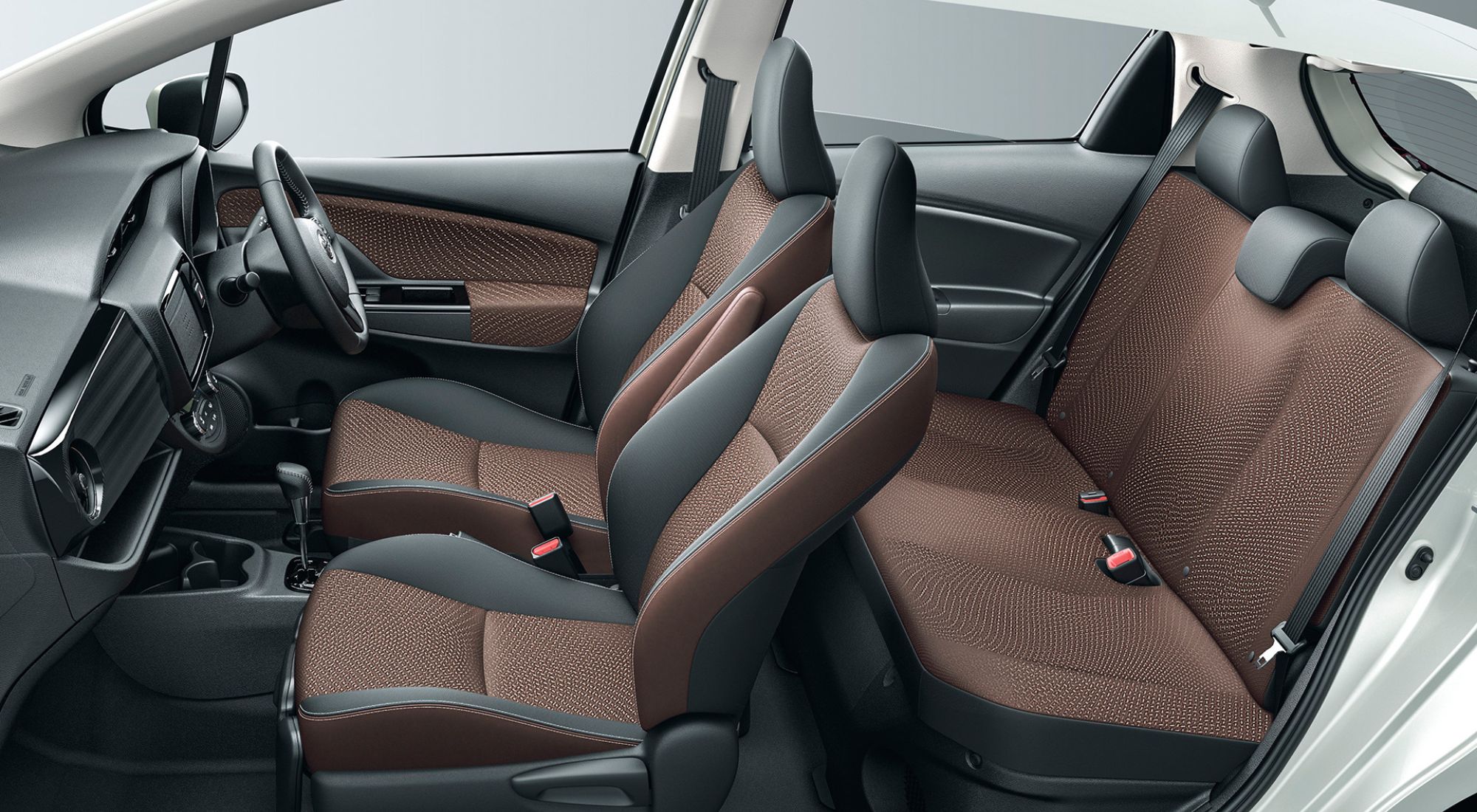
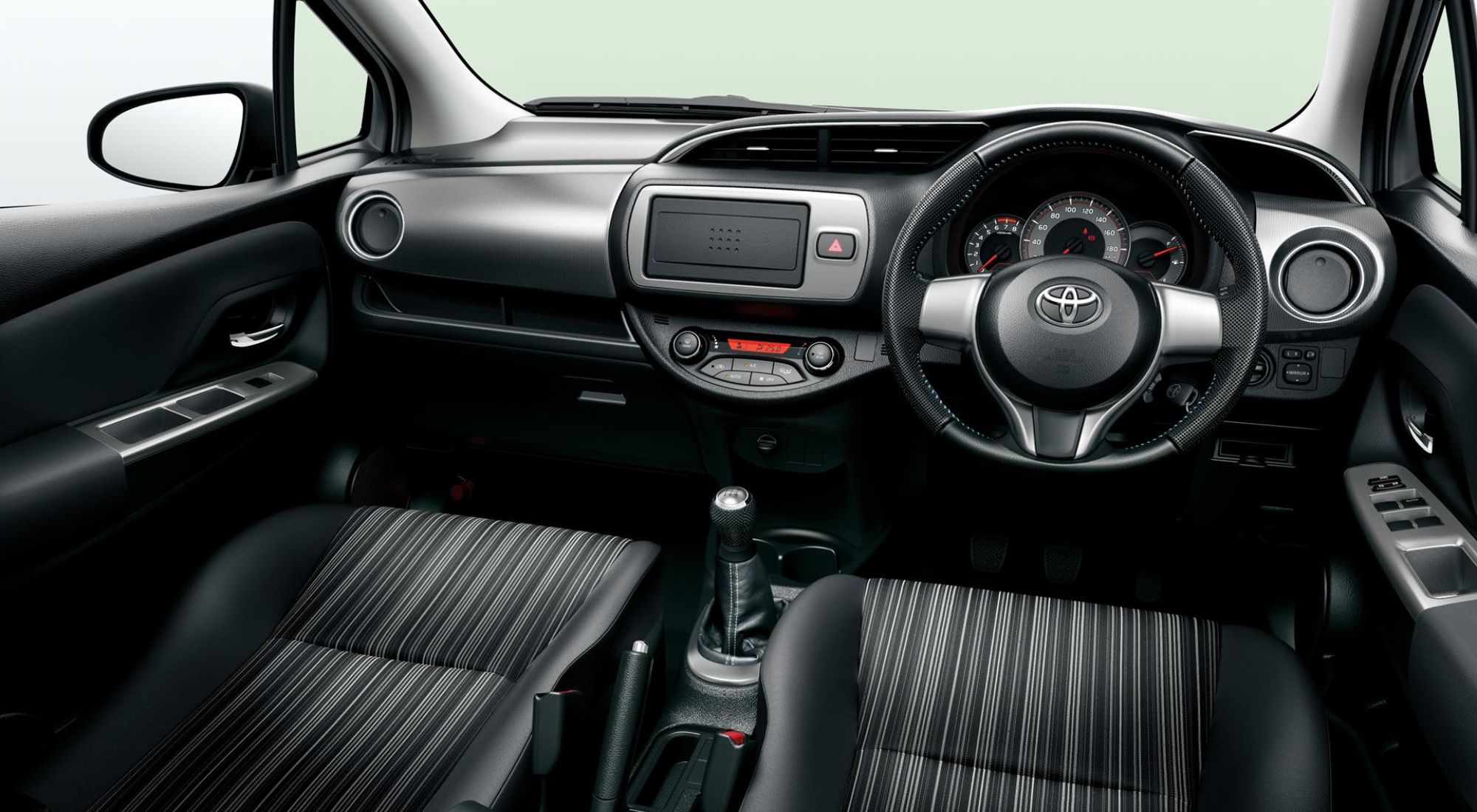
Cabin materials are hard-wearing rather than plush, in keeping with Toyota’s approach to this segment. The tall-body design pays off here: despite the car’s short footprint, headroom is generous, and the dashboard layout is simple and easy to learn.
How Comfortable is the Toyota Vitz?
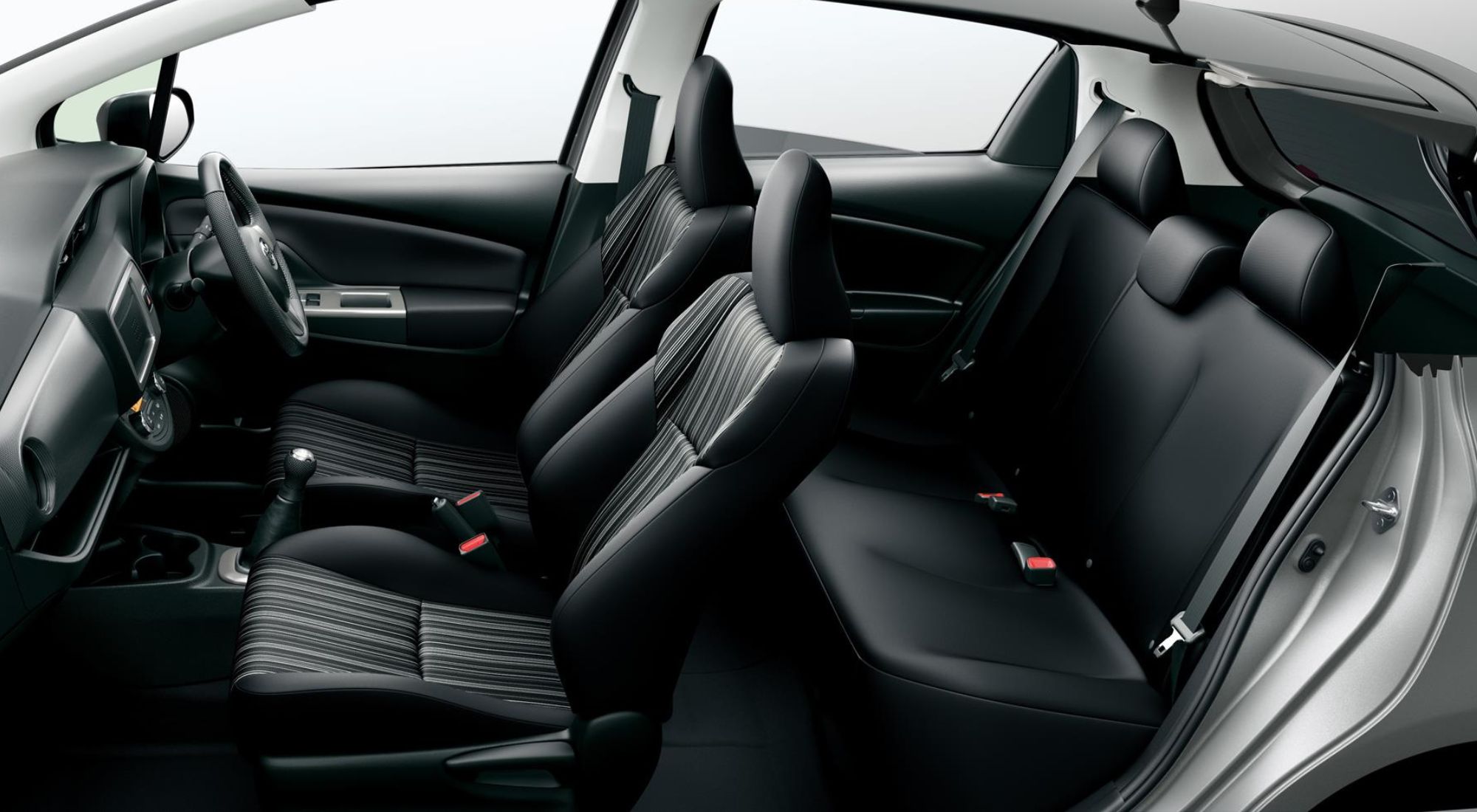
Front seats are supportive enough for daily commuting, and the upright seating position suits Nairobi’s stop-start traffic. Rear space is the compromise: legroom and shoulder room are noticeably tighter than in the saloon like the Axio, and the back seat is best suited to two adults or three children rather than three adults.
How Practical Is the Toyota Vitz?
- Boot Space: Modest by segment standards, though folding the 60:40 split rear seats extends capacity in select models; however, the load floor does not become completely flat.
- Storage: Door pockets and cabin cubbies typical of the class
- Charging: USB ports appear on facelifted (2017+) higher-spec units; earlier and lower trims may lack them
- Family Use: Workable for a small family’s daily errands, less so for a full boot of luggage or bulky shopping
Is the Toyota Vitz Easy to Drive Every Day?
Very. Its compact dimensions, light steering, and tight turning circle make the Vitz one of the easiest cars to park and manoeuvre in Nairobi and Mombasa traffic. Outward visibility benefits from the tall glasshouse and short bonnet.
Technology & Infotainment
What Technology Does the Toyota Vitz Come With?
Entry-level Vitz units keep things basic: a simple audio head unit and manual air conditioning. Higher trims from the 2017 facelift onward add a touchscreen display, while the hybrid gets a small TFT (thin-film transistor) instrument screen showing energy flow and driving efficiency.
What About Apple CarPlay and Android Auto?
Factory-fitted smartphone mirroring was not standard on Japanese-market Vitz units. Many Kenyan-registered cars have had an aftermarket head unit fitted locally to add Apple CarPlay and Android Auto, so check exactly what is installed and whether it was professionally wired before buying.
Engine & Performance
What Engine Options Are Available?
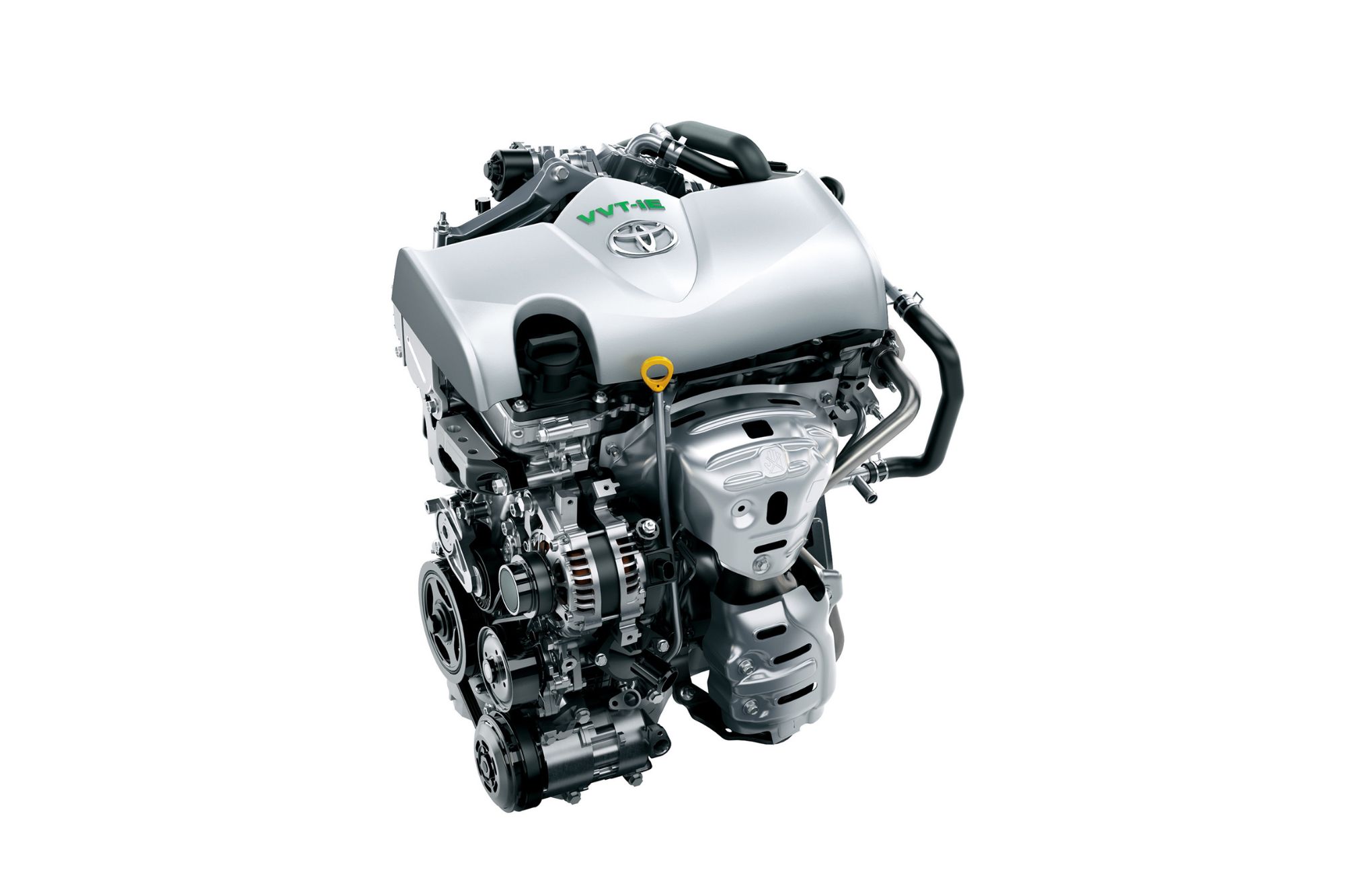
The XP130-generation Vitz was sold with four petrol and hybrid combinations. The 1.0L pairs with a 4-speed automatic on most Kenyan-market units, while the 1.3L, 1.5L RS and hybrid use Toyota’s CVT (continuously variable transmission).
| Engine | Power & Torque | Fuel Economy* | Best Use |
|---|---|---|---|
| 1.0L 1KR-FE | ~68-69 hp | 92-96 Nm | 21.6-23.2 km/L | Budget city commuting |
| 1.3L 2SZ-FE | ~94-99 hp | 120-123 Nm | 25.0-26.2 km/L | Balanced everyday driving |
| 1.5L 1NZ-FE (RS) | ~107-108 hp | 141 Nm | ~20.0 km/L | Buyers wanting a sportier feel |
| Hybrid (1.5L + motor) | ~74-100 hp combined | 111 Nm | Up to 34.0-34.5 km/L | Nairobi traffic, lowest running costs |
*Manufacturer figures for the Japanese-market Vitz under the JC08 test cycle, as certified by Japan’s Ministry of Land, Infrastructure, Transport and Tourism. Treat these as a ceiling rather than what Kenyan driving conditions will deliver; see the Fuel Economy section for real-world figures.
How Powerful Is the Toyota Vitz?
None of the Vitz engines is quick, and the 1.0L is the one to think carefully about. It manages solo commuting comfortably but feels genuinely strained with four adults and luggage aboard, particularly on inclines. The 1.3L is the better-rounded everyday choice, while the hybrid’s electric motor adds useful low-speed pulling power.
Is the Toyota Vitz Fast Enough?
For city driving, yes, across the range. On the highway, the 1.3L and hybrid have enough mid-range performance for confident overtaking; the 1.0L requires more planning, especially fully loaded. The 1.5L RS is the closest thing to a quick Vitz, though even that is about eager responses rather than outright speed.
Can the Toyota Vitz Tow or Carry Heavy Loads?
No. The Vitz is not rated or intended for towing, and Toyota does not publish payload or towing figures for it in this market. Treat it as a passenger car for up to five occupants and everyday luggage, not a load carrier.
Driving Experience
How Does the Toyota Vitz Drive?
The Vitz is light, easy, and unintimidating to drive, which is exactly the brief Toyota set for it. Steering is light at parking speeds, pedal effort is low, and the tall seating position offers a clear view of the road ahead.
How Does It Perform in City Traffic?
This is the Vitz’s natural habitat. Its short length and tight turning circle make it easy to place in traffic and to park in spaces that would trouble a saloon like the Axio. The hybrid adds smooth, near-silent running at low speed, which suits stop-start commuting particularly well.
Is It Comfortable on the Highway?
Reasonably so, though less composed than a larger car. The 1.3L and hybrid cruise comfortably with adequate overtaking power, while road and wind noise become more noticeable at highway speed than in a saloon like the Axio, a fair trade-off for the Vitz’s smaller footprint and lower price.
Can It Handle Rough Roads or Off-Road Driving?
No. With ground clearance as low as 130 mm on some model years, the Vitz is a sealed-road car. Deep potholes, rutted murram, and rural tracks all carry a real risk of underbody damage, so buyers who regularly leave tarmac should look elsewhere.
How Does It Ride and Handle?
- Steering: light and quick, well suited to town driving
- Suspension: firmer than in a car like the Axio’s, a consequence of the shorter wheelbase
- Braking: ABS-equipped with predictable, easy-to-modulate pedal feel
- Body control: composed at town and highway speeds, less settled over sharp bumps taken quickly
Fuel Economy
How Fuel-Efficient Is the Toyota Vitz?
Fuel economy is the main reason the Vitz remains Kenya’s default first car. Official JC08 figures range from around 21.6 km/L on the 1.0L to as high as 34.5 km/L on the hybrid, though these were measured under Japan’s test cycle and should be treated as a ceiling rather than an expectation.
What’s the Real-World Fuel Economy?
- 1.0L automatic: 15-18 km/L in mixed Nairobi driving, per owner reports
- 1.3L CVT: 16-20 km/L in mixed conditions
- Hybrid: 21-26 km/L in real-world Kenyan driving, with some owners reporting figures at the lower end in heavy traffic
These figures come from Kenyan owner and dealer reports rather than a single controlled test, so expect variation depending on driving style, traffic, and the condition of the specific car.
How Much Will It Cost to Fuel?
At current pump prices, a Nairobi commuter covering around 300 km a week in a 1.3L Vitz, averaging 18 km/L in mixed traffic, would use roughly 17 litres a week. Multiply by the current petrol price at your usual station to estimate weekly, monthly, and annual fuel costs, since prices are reviewed periodically by the Energy and Petroleum Regulatory Authority (EPRA).
Fuel cost = Distance travelled ÷ Fuel economy × Price per litre
Safety
Is the Toyota Vitz Safe?
Safety provision on the Vitz varies significantly by model year, which makes checking a specific unit’s specification more important than with newer cars. The clearest dividing line is January 2017, when Toyota made its Safety Sense C package standard across the range.
What Safety Technology Does It Have?
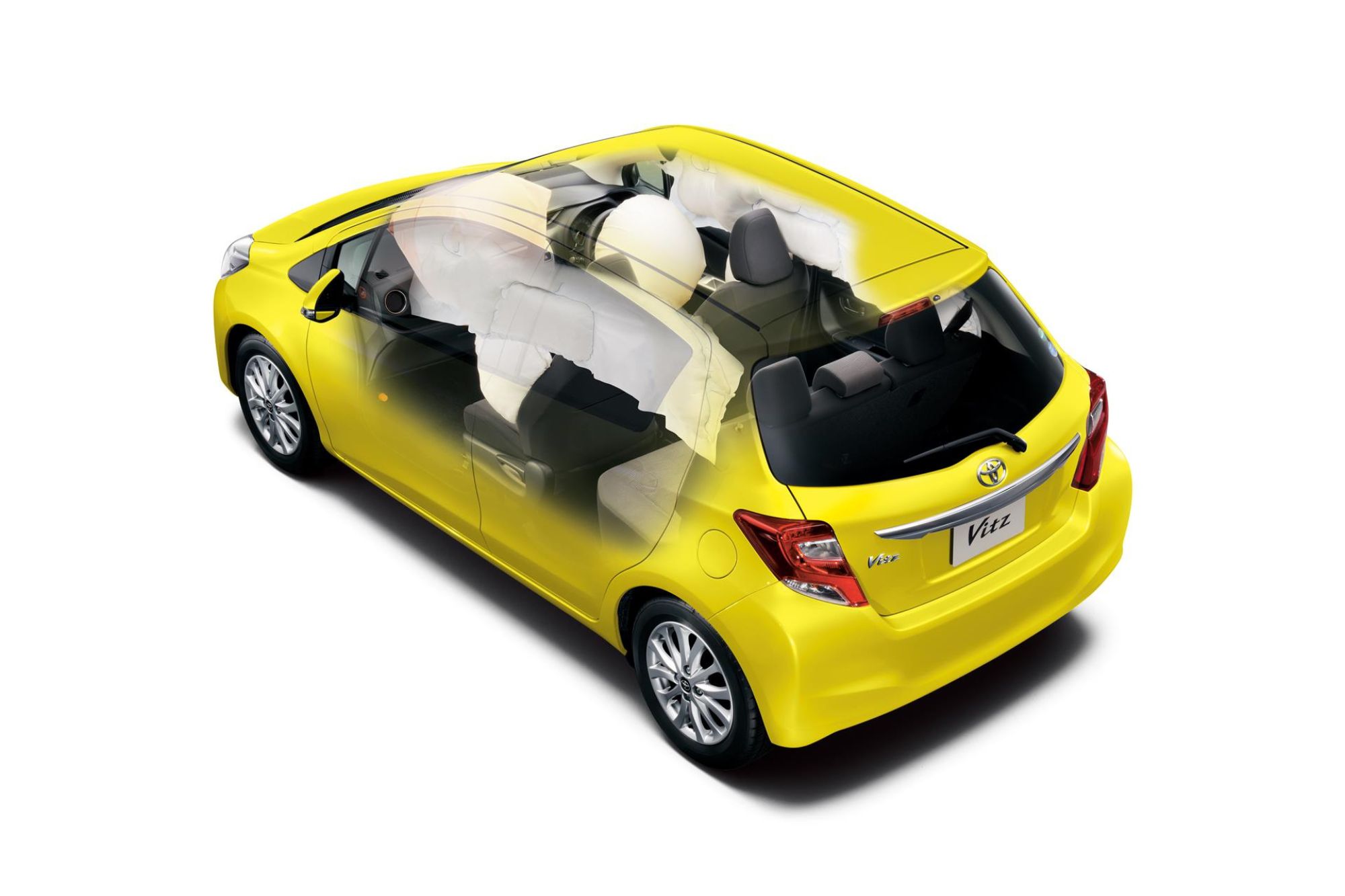
- Airbags: Driver and passenger standard, with side airbags on higher trims
- ABS: Anti-lock Braking System (ABS) with Electronic Brakeforce Distribution (EBD)
- Stability Control: Vehicle Stability Control (VSC) and traction control
- Seatbelts: Three-point belts with pretensioners
From the January 2017 update, all grades gained Toyota Safety Sense C as standard, bundling a Pre-Collision System (forward collision warning with automatic braking), Lane Departure Alert, and Automatic High Beam. Pre-2017 units do not have this package, so confirming the exact build date matters more here than on most cars in this segment.
An independent crash test conducted by the European New Car Assessment Programme (Euro NCAP) in 2017 awarded the XP130-generation Toyota Yaris, the European equivalent of the Vitz, a maximum five-star safety rating.
CN Buyer’s Note
Some owners of 2018-2019 facelifted Vitz units have reported occasional infotainment system and reversing-camera glitches. It is not a widespread or safety-critical fault, but it is worth testing these systems specifically during a pre-purchase inspection.
Trim Levels
Which Trim Should You Buy?
Entry-level (F): steel wheels, manual air conditioning, and a basic audio system. Best for buyers on a tight budget who mainly need cheap, reliable transport.
Mid-spec (U / Jewela): adds alloy wheels and, on facelifted cars, a touchscreen. This tier offers the best balance of features and price for most Kenyan buyers.
Top-spec (RS) and hybrid: the RS brings a sportier 1.5L engine and bodykit, while the hybrid adds the TFT display and lowest running costs. From 2017, both come with Toyota Safety Sense C as standard. Recommended for buyers prioritising either driving feel or maximum fuel economy.
Technical Specifications
| Specification | Detail |
|---|---|
| Engine Options | 1.0L 1KR-FE / 1.3L 2SZ-FE / 1.5L 1NZ-FE (RS) / 1.5L Hybrid |
| Engine Type | In-line 3- or 4-cylinder, DOHC |
| Power | 68-108 hp (74-100 hp combined on hybrid) |
| Torque | 92-141 Nm |
| Fuel Tank Capacity | 36-42 litres (varies by grade) |
| Transmission | 4-speed automatic (1.0L) or Super CVT-i (1.3L, 1.5L, hybrid) |
| Battery (Hybrid) | Nickel-metal hydride |
| Drive Type | Front-wheel drive (4WD offered on some Japanese-market grades) |
| Top Speed | 160-180 km/h depending on engine |
| Tyre Size | 165/70R14 | 175/70R14 (varies by trim) |
| Front Suspension | McPherson Strut Coil Springs |
| Rear Suspension | Torsion Beam with Coil Springs |
| Front Brakes | Ventilated Disc |
| Rear Brakes | Drum |
Ownership Costs
How Much Does the Toyota Vitz Cost in Kenya?
- Used 1.0L (2011-2015): KSh 500,000-900,000
- Used 1.3L (2015-2018): KSh 850,000-1.3 million
- Used Hybrid (2017-2019): KSh 1.2-1.8 million
Toyota stopped building the Vitz in Japan in 2020; the Kenyan market runs on used imports and locally registered second-hand cars rather than new showroom stock. Prices above reflect the used market and will vary with mileage, import history, and condition.
How Much Does It Cost to Own?
Service Costs: Basic service every 5,000 km costing roughly KSh 8,000-15,000, and a major service every 10,000 km costing roughly KSh 15,000-25,000, with a more comprehensive inspection at 15,000 km and 30,000 km intervals.
Is the Toyota Vitz Reliable?
Yes, in line with Toyota’s broader reputation in this segment. The 1KR-FE and 2SZ-FE engines have a strong track record for durability. The CVT is the component that needs the most attention: regular fluid changes, roughly every 40,000 km, help prevent transmission problems later on.
Is It Expensive to Maintain?
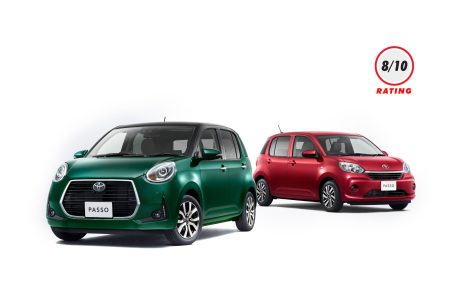
No. The Vitz shares major components with the Toyota Passo, Ractis, and Corolla Axio, which keeps genuine and aftermarket parts widely available and reasonably priced in Nairobi and other major towns. Outside routine servicing, the most commonly reported issues are the infotainment system and reversing-camera glitches noted earlier on some 2018-2019 units.
Competitors
Who Are the Challengers?
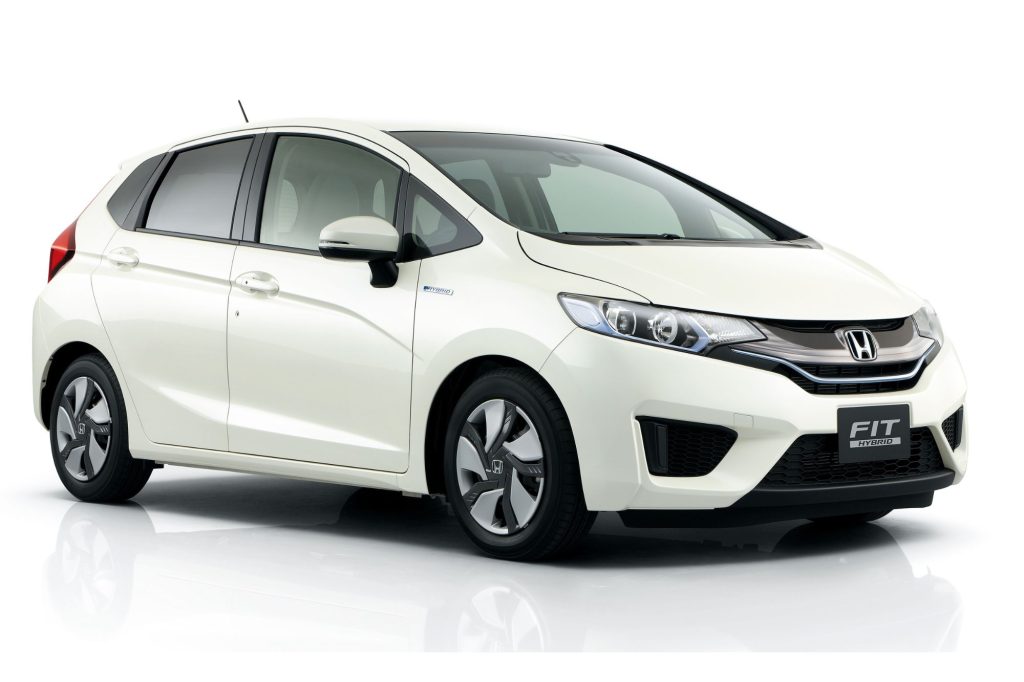
Honda Fit: more boot space and rear-seat flexibility thanks to Honda’s under-floor fuel tank layout, at a broadly similar purchase price.
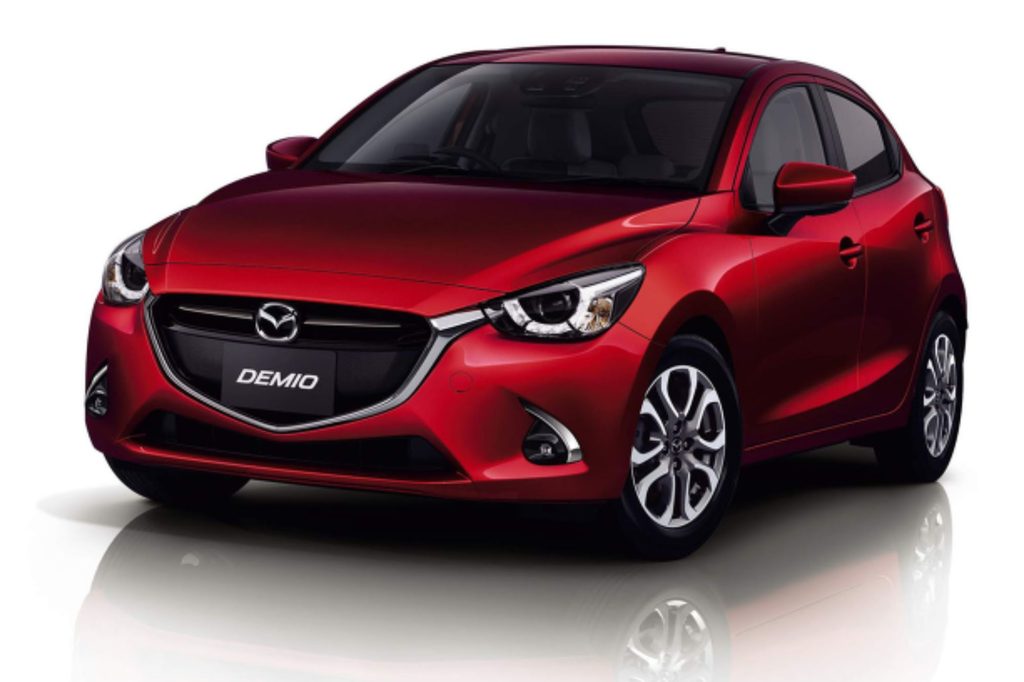
Mazda Demio (Mazda2): sharper to drive and arguably better looking, though with a smaller dealer and parts network in Kenya than Toyota’s.
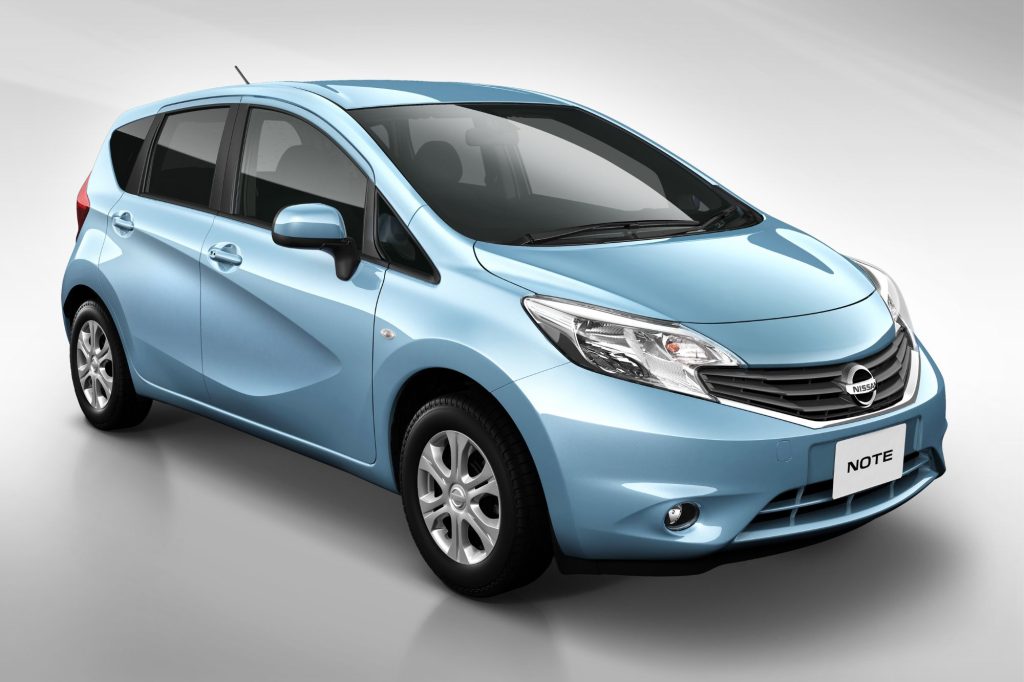
Nissan Note / March: the Note e-Power is a strong hybrid fuel-economy rival; the March is a cheaper, simpler alternative to the entry Vitz.
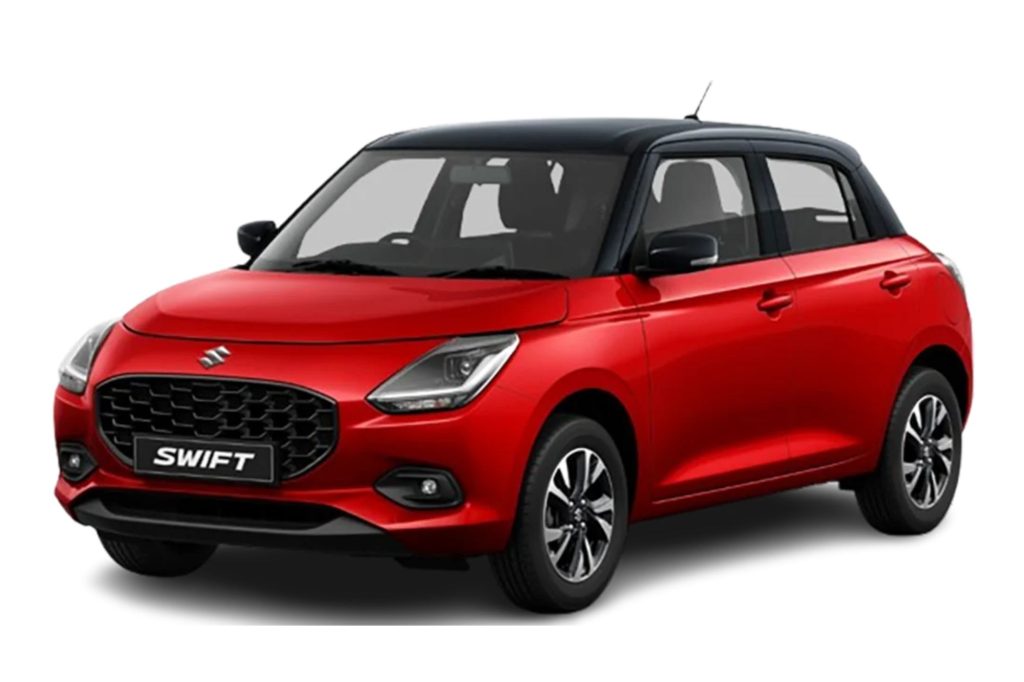
Suzuki Swift: more engaging to drive, with a reputation for tidy handling, though parts availability trails Toyota’s network.
Which Is Better?
For buyers who prioritise parts availability, resale value, and the lowest possible running costs, the Vitz remains a very safe choice. For buyers who need more boot space without moving up to a saloon, the Honda Fit is worth cross-shopping. Let us know in the comments or on the CarTalk KE Forum which one you would choose.
Who Should Buy It?
Is the Toyota Vitz Right for You?
- First-time buyers who want the lowest possible purchase and running costs
- Single commuters and small families doing most of their driving in town
- Ride-hailing and taxi drivers who value fuel economy and Toyota’s parts network
- Buyers who mainly need a second, tarmac-only car for the city
Who should look elsewhere: buyers who regularly drive rough or rural roads should consider a crossover with more ground clearance, and larger families needing rear-seat and boot space will find the Axio, or a hatchback like the Honda Fit, more practical.
Pros & Cons
| ✅ Pros | ❌ Cons |
|---|---|
| Outstanding fuel economy across the range | Ground clearance is low even by Kenyan hatchback standards |
| Low maintenance costs with widely shared Toyota parts | Boot space is tight compared with rivals like the Honda Fit |
| Proven Toyota mechanical reliability | 1.0L feels strained when fully loaded |
| Excellent resale value in Kenya’s used market | Rear seat is tight for three adults |
| Very easy to park and manoeuvre in city traffic | Toyota Safety Sense C only standard from January 2017 |
CN Verdict
Is the Toyota Vitz Worth Buying?
Yes, for the buyer it’s built for. The Vitz’s strengths are fuel economy, low running costs, and Toyota’s dependable engineering, and those strengths are hard to beat at this price point in Kenya. Its weaknesses are just as clear: low ground clearance, a tight boot, and safety technology that depends heavily on which model year you buy.
Overall, the Vitz remains one of the smartest choices in Kenya’s budget hatchback segment for buyers whose driving is mostly urban and tarmac-based. The 1.3L is the best all-round pick for most buyers, while the hybrid rewards anyone covering high mileage in traffic, provided the extra purchase price is within budget.
CN Rating
| Category | Score |
|---|---|
| Exterior Design | 7/10 |
| Interior & Comfort | 6/10 |
| Practicality | 6/10 |
| Technology | 6/10 |
| Performance | 6/10 |
| Fuel Economy | 9/10 |
| Safety | 8/10 |
| Ownership Costs | 9/10 |
| Value for Money | 8/10 |
| Overall Rating | 7/10 |
Editorial Award
✅ Recommended – A strong overall choice for most buyers in this segment, provided its ground clearance and boot space limitations fit how you actually drive.






No Comment! Be the first one.