









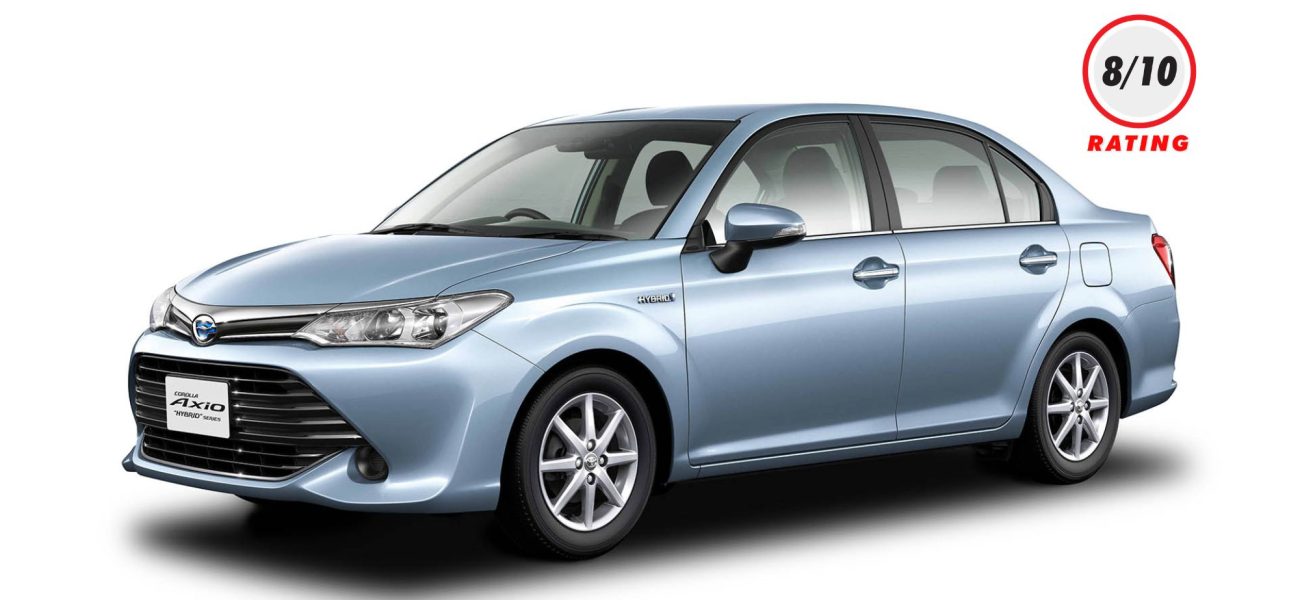
Toyota Corolla Axio Review
CarNews KE examines the reasons behind the Axio's reputation for reliability and low running costs, questioning whether it still makes sense now that Toyota has ceased production.

CN Quick Verdict
Overall Rating: 8/10
- Best For: Buyers who want dependable, low-cost transport rather than driving excitement
- Starting Price (Kenya, used): From KSh 1.2 million
- Engine Featured: 1.5-litre 1NZ-FE petrol, plus notes on the 1.3L, 1.8L and hybrid
- Transmission: Super CVT-i (continuously variable transmission)
- Real-World Fuel Economy: 15-18 km/L (1.5L petrol); 16-23 km/L (hybrid), based on owner and dealer-reported figures
- Main Competitors: Toyota Corolla (E170/E210), Nissan Note, Mazda Demio, Honda Fit, Volkswagen Polo
CN Quick Facts
| What We Like | Things to Consider |
|---|---|
| ✔ Outstanding fuel economy | ✘ Conservative styling |
| ✔ Proven Toyota reliability | ✘ CVT requires proper servicing |
| ✔ Low maintenance costs | ✘ Average ground clearance for rough rural roads |
| ✔ Excellent resale value | ✘ Smaller boot than some rivals |
| ✔ Spacious cabin | ✘ 1.3-litre engine feels underpowered when fully loaded |
| ✔ Readily available spare parts | ✘ Modest acceleration on the smaller 1.3L and 1.5L engines |
| ✔ Comfortable ride quality |
What's in this Article
What Is the Toyota Axio?
The Toyota Axio is a compact sedan that has become one of the most common sights on Kenyan roads. It first went on sale in Japan in October 2006 as part of the tenth-generation Corolla family, sold there as the Corolla Axio. A “corolla” is the ring of petals around the central part of a flower. The “Axio” comes from the Greek word axia, meaning “value” or “quality”, reflecting Toyota’s focus on delivering practical value to owners.
The Axio was designed alongside the Corolla Fielder wagon, but shaped specifically for Japan’s narrow city streets. That made it compact on the outside while keeping usable space for four adults inside, a formula that has translated well to Kenyan urban driving.
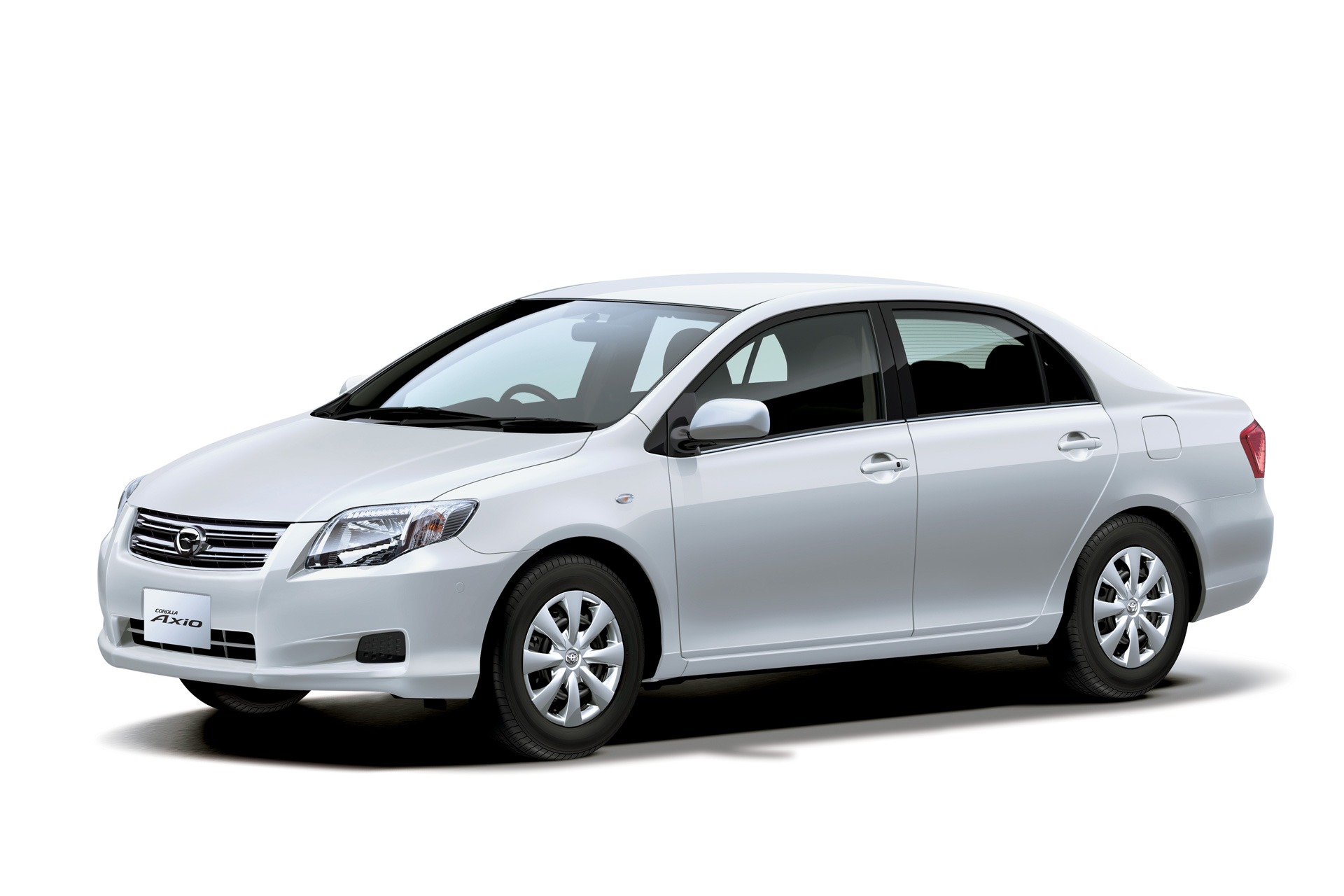
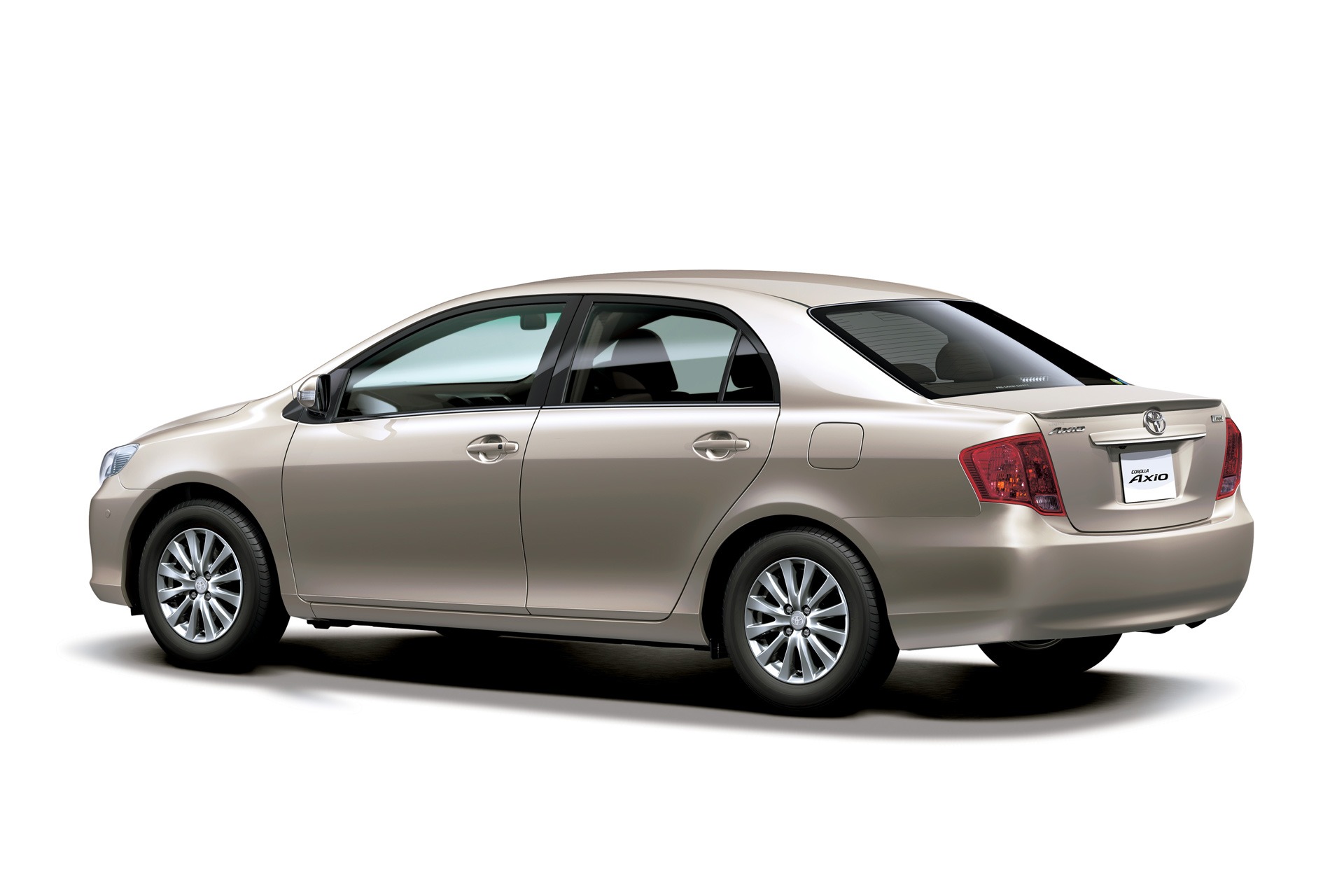
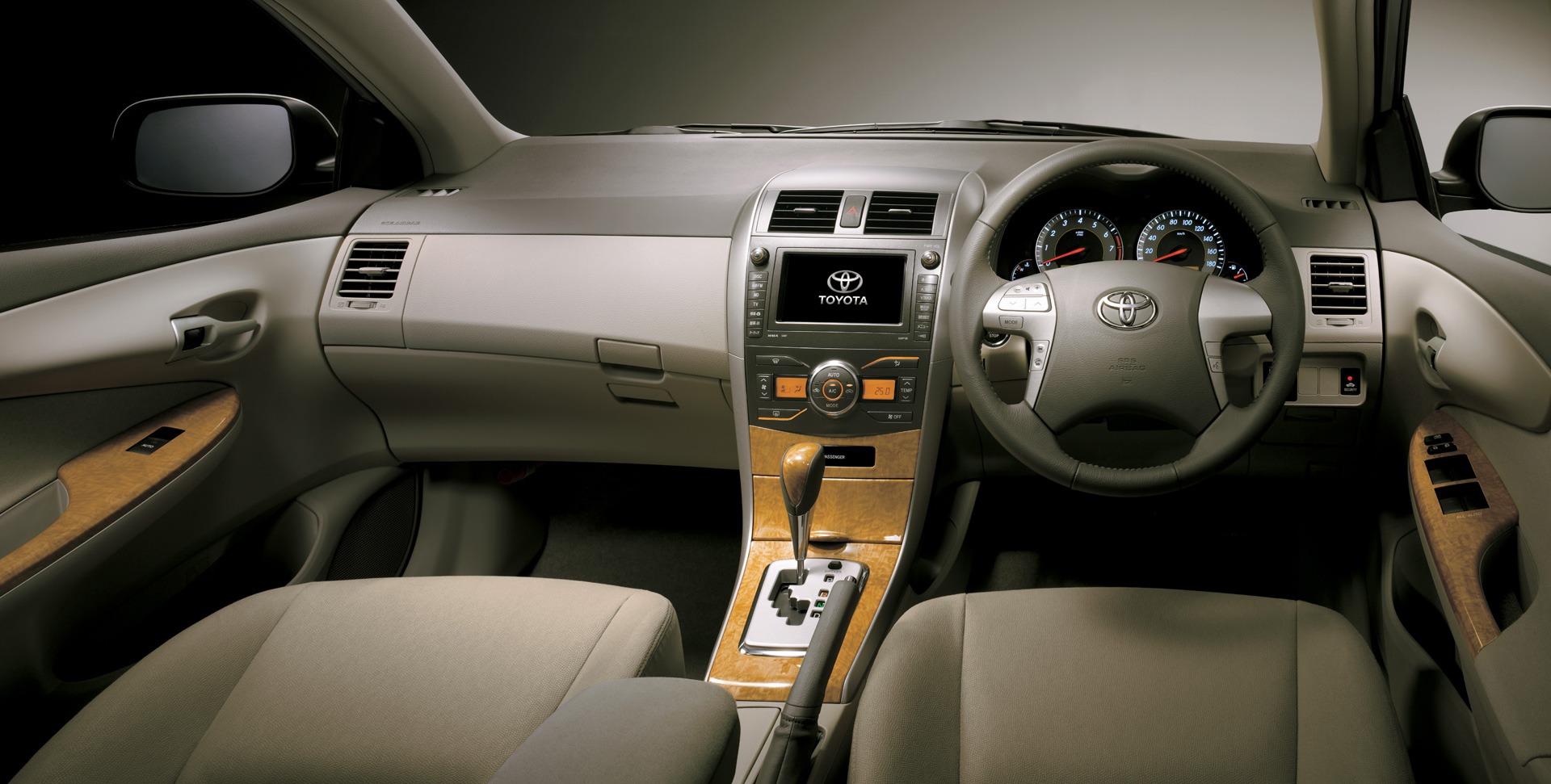
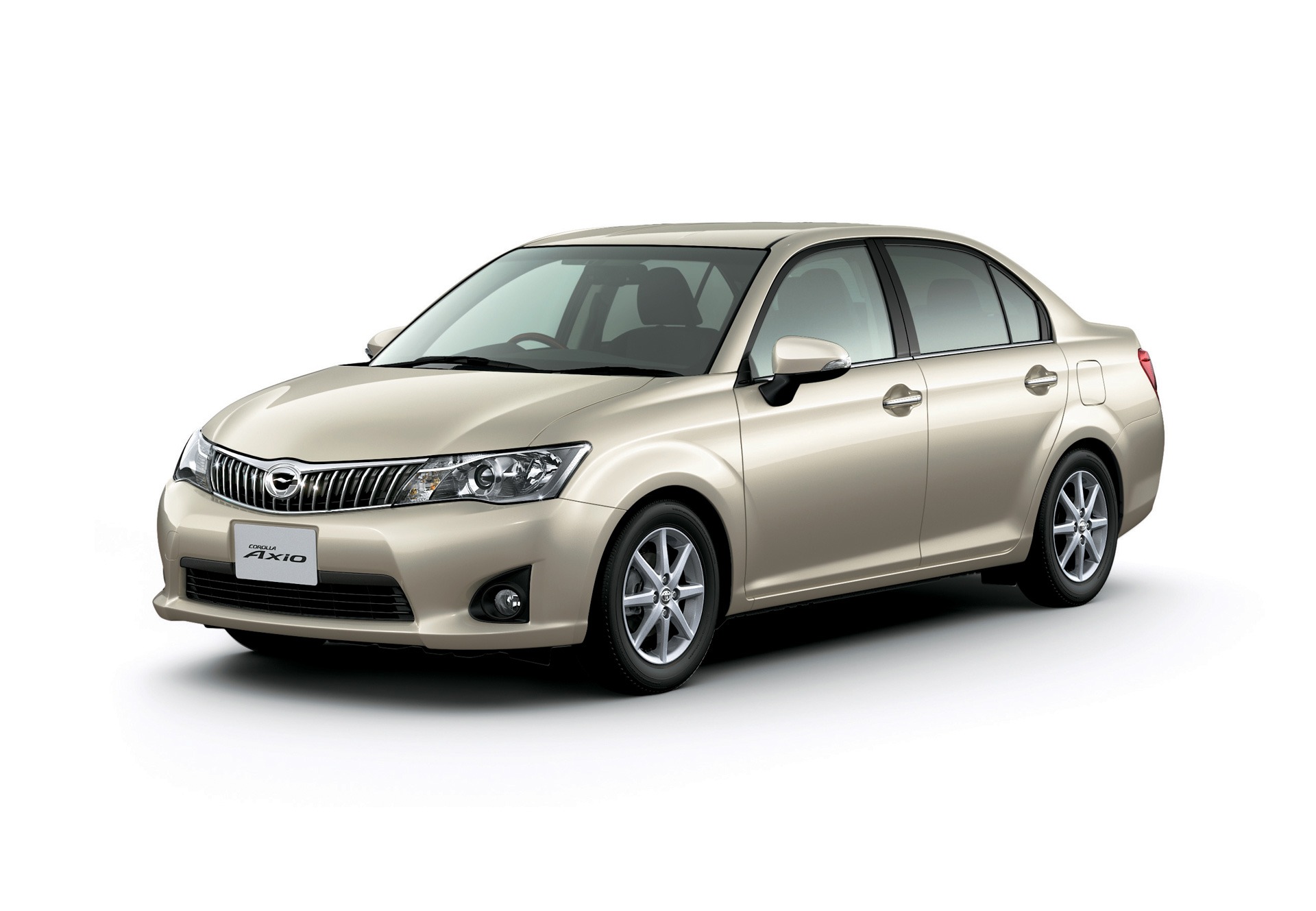
The current, second-generation Axio rides on Toyota’s E160 platform, introduced in May 2012. It brought a smaller footprint than its predecessor but more rear knee room, along with a shift to 1.3-litre and 1.5-litre engines that improved both performance and fuel economy. A 1.8-litre option and, from August 2013, a petrol-hybrid variant using Toyota’s Hybrid Synergy Drive system rounded out the range.
CN Buyer’s Note
Toyota discontinued the Axio globally in October 2025. This review remains relevant because the Kenyan market for this model now consists mainly of used imports and locally registered pre-owned units, rather than new showroom stock. As a result, the buying conversation has shifted toward inspection and vehicle history, rather than dealer options.
Exterior Design
What Does the Toyota Axio Look Like?
The Axio follows a conservative design philosophy that prioritises aerodynamics and timelessness over visual drama, which is part of why the car has aged without looking dated. The front features a compact grille surrounded by stylish, swept-back headlights, giving the car a modern and welcoming appearance. The car’s width is emphasised by a larger lower grille positioned beneath the front bumper, along with decorative trim that extends from the upper grille to the headlights.
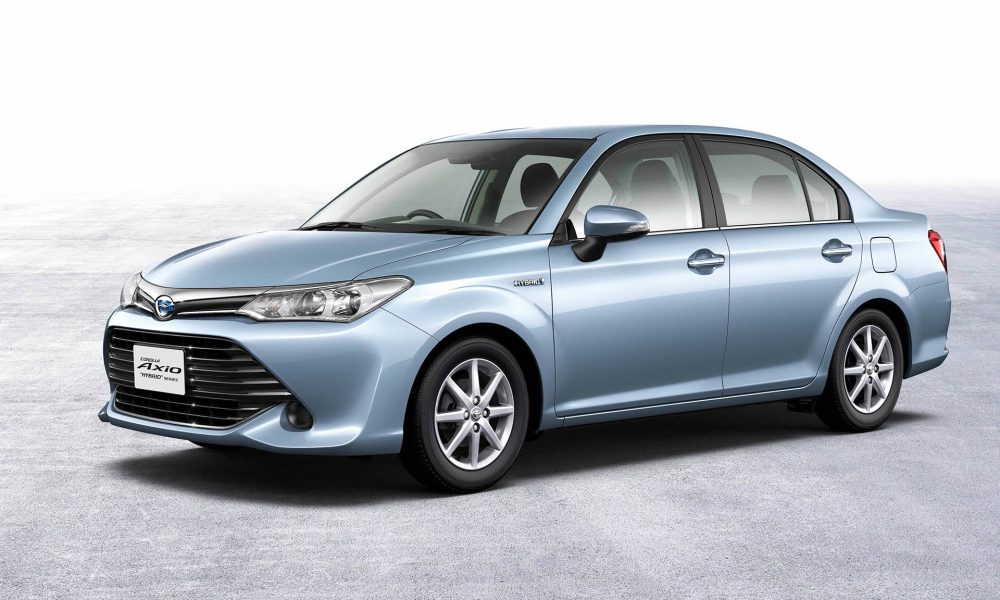
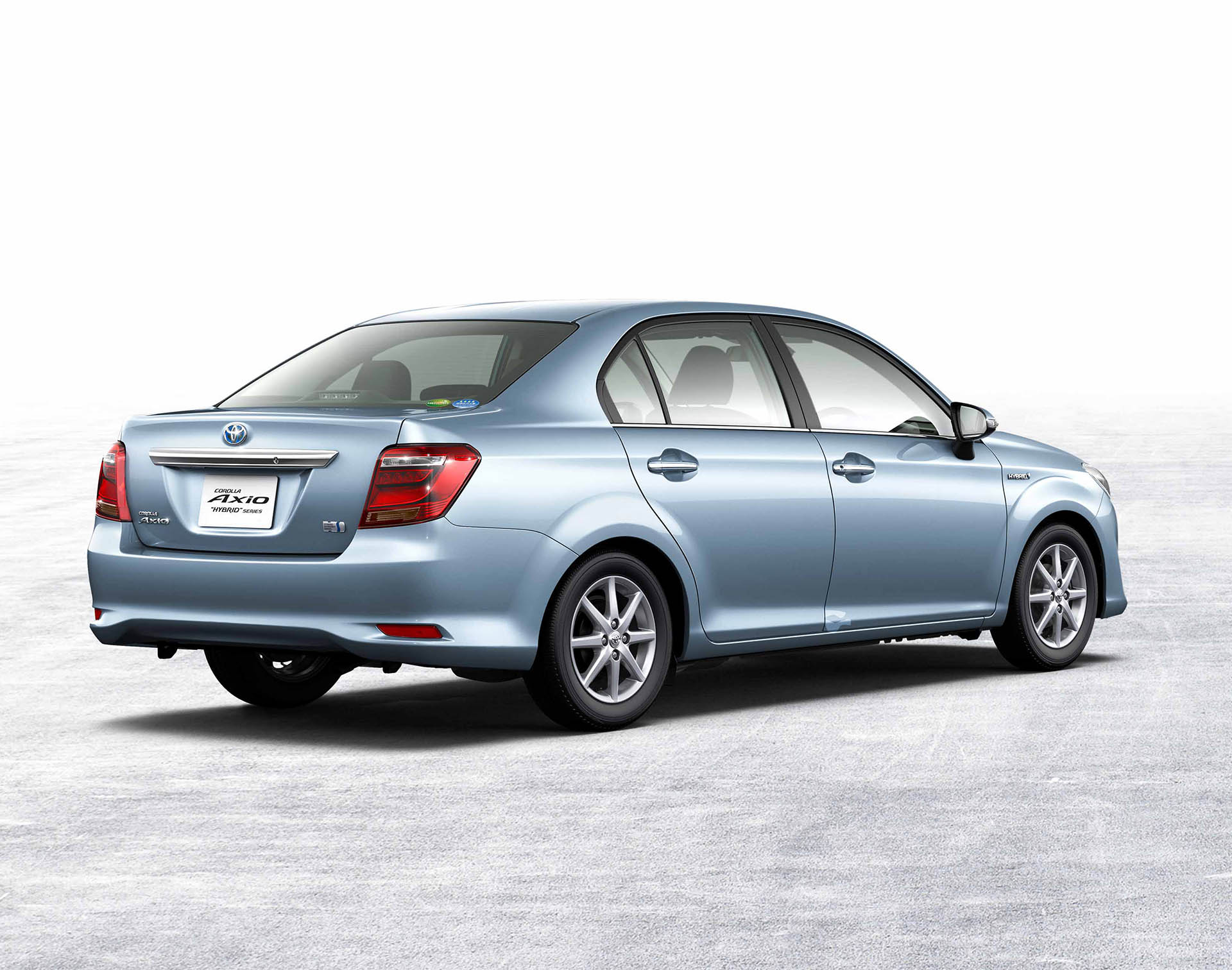


Hybrid models are distinguished by blue-tinted badging and Synergy Blue emblems. Facelifted and higher-spec models feature projector or LED headlights and 15-inch alloy wheels, which significantly enhance the car’s visual presence. In contrast, entry-level trims come equipped with steel wheels and halogen headlights, making it easy to identify the generation and specification level of the car during inspection.
From the side, the Axio’s compact dimensions make it well suited to urban driving and parking. Large windows provide excellent outward visibility, while the relatively upright roofline maximises headroom for passengers. At the rear, the design remains simple and functional, with neatly integrated tail lamps and a practical boot opening that supports everyday usability.
How Big Is the Toyota Axio?
- Dimensions (L x W x H): 4400 x 1695 x 1460 mm
- Wheel Base: 2600 mm
- Ground Clearance: Approximately 160 mm
- Weight: 1140 kg
- Boot Capacity: 450 litres
- Seating: 5 persons
- Min. Turning Radius: 4.9 m
Is the Toyota Axio Built for Kenyan Roads?
The Axio’s 160 mm ground clearance is adequate for tarmac and reasonably maintained murram, but it will bottom out on deep potholes or badly rutted rural roads. This is a car built for city and highway use rather than off-road work, and buyers who regularly drive rough routes should look at a crossover instead.
Interior & Practicality
What Is the Toyota Axio Like on the Inside?
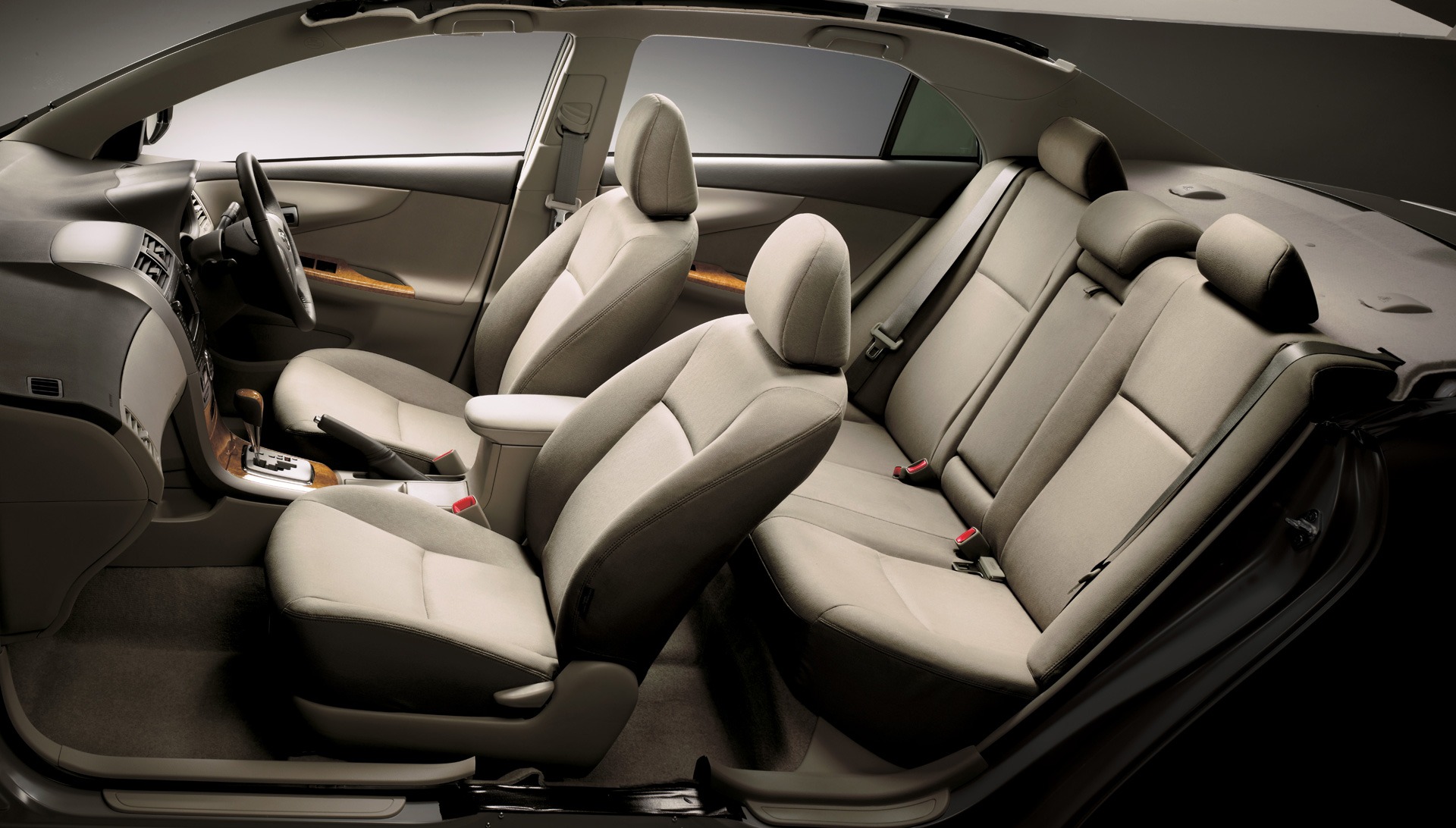
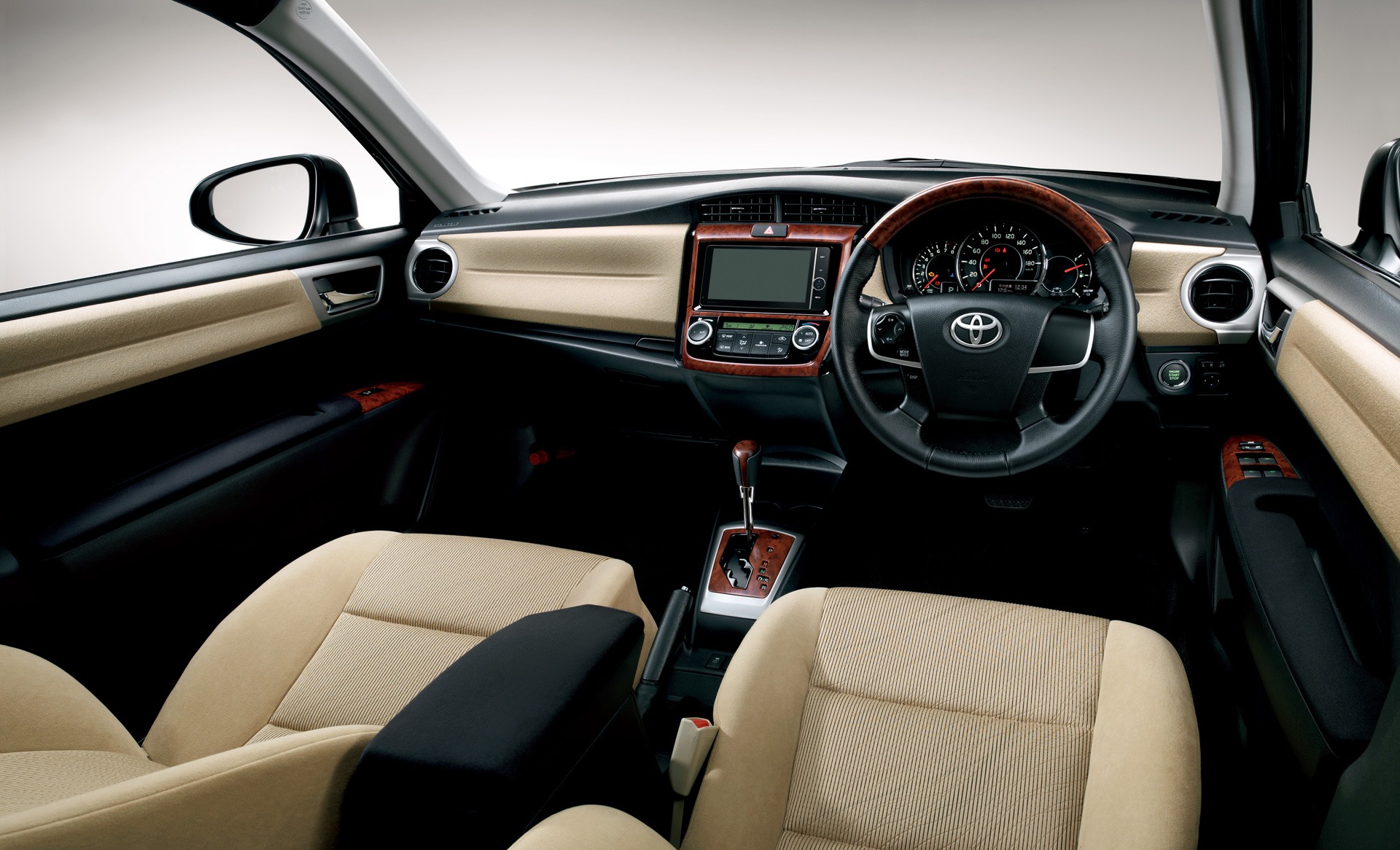
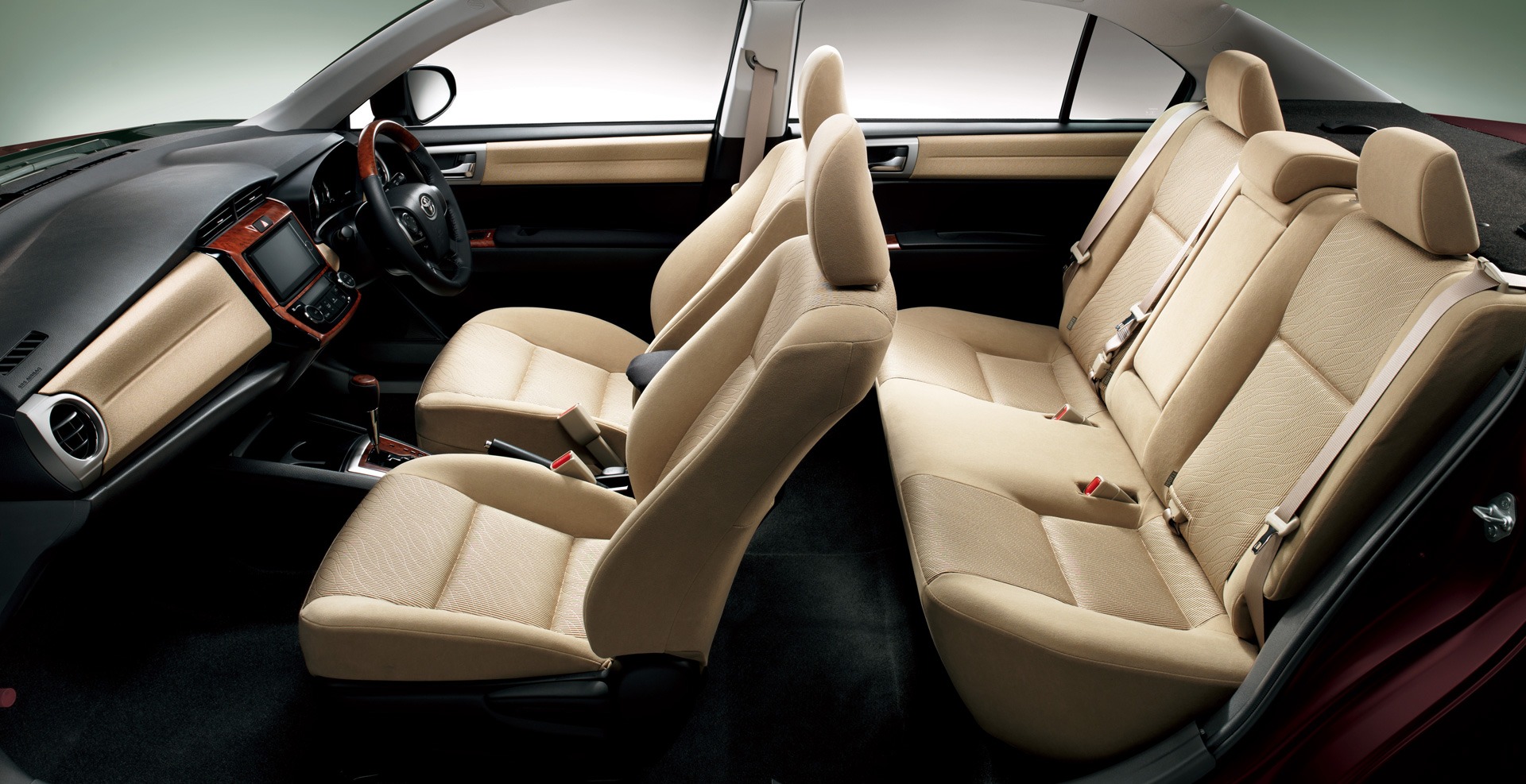
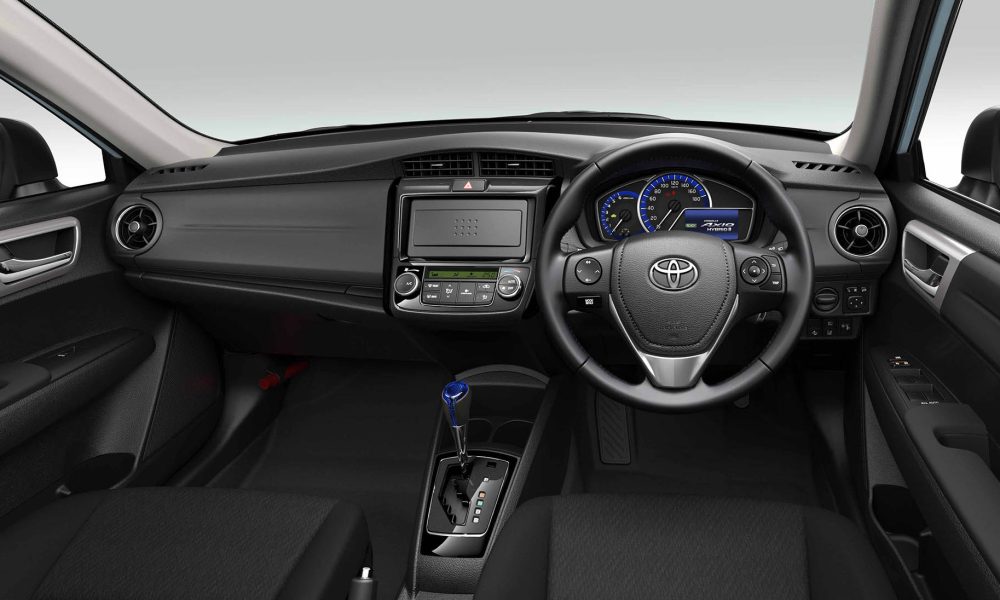
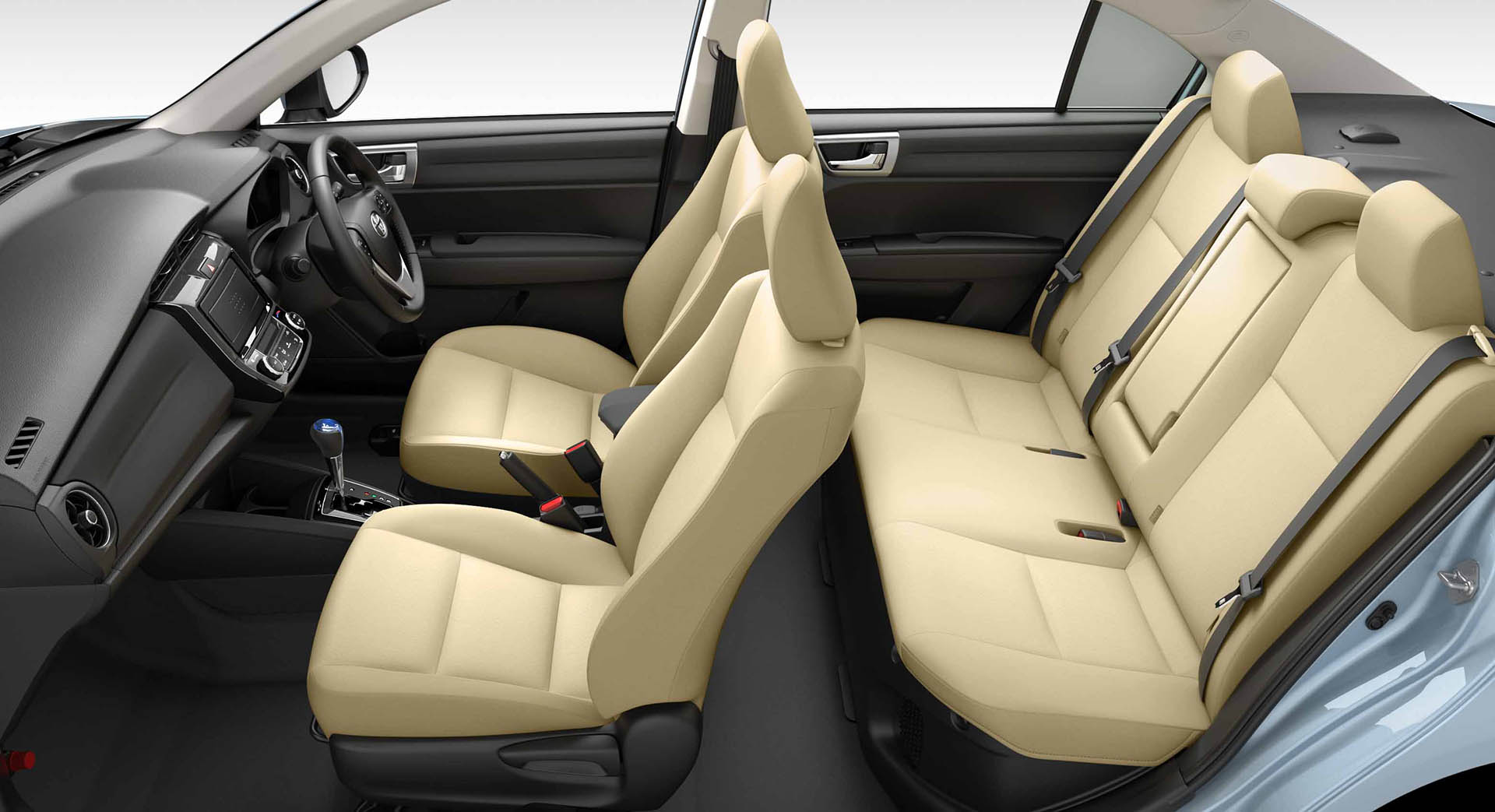
One of the Toyota Corolla Axio’s biggest strengths is how much usable space Toyota manages to provide within its compact exterior dimensions. Cabin quality follows Toyota’s usual formula: hard-wearing plastics, user-friendly controls, and a layout that prioritises durability over aesthetics. While it may not impress on first glance, it holds up well over years of daily use, which matters more to most Kenyan buyers than initial showroom appeal.
How Comfortable is the Toyota Axio?
Front seats offer decent support for longer drives. Rear legroom is generous for the car’s size, a benefit of the E160 platform’s cabin-space focus, though headroom and shoulder room get tight with three adults across the back seat. Generally, road and wind noise are kept at manageable levels, although the level of equipment and insulation may differ among model years and trim levels.
How Practical Is the Toyota Axio?
The Axio is particularly well suited to buyers who need a compact car for everyday use without giving up passenger space.
The boot provides approximately 450 litres of luggage capacity according to the source review. That is sufficient for normal shopping, work equipment and family luggage, although buyers who regularly carry bulky items may find the Toyota Corolla Fielder wagon more practical.
Storage compartments and cup holders are positioned around the cabin, while the straightforward dashboard design makes the vehicle easy to live with.
The compact dimensions are also useful in Nairobi and other busy towns. The Axio is easier to position in tight parking spaces than a larger sedan or SUV, while its relatively good visibility makes everyday manoeuvring less stressful.
Technology & Infotainment
What Technology Does the Toyota Axio Come With?
Entry-level cars keep things basic, with a simple audio head unit and manual air conditioning. Higher trims add a touchscreen navigation and infotainment system, while hybrid models get a 4.2-inch TFT (thin-film transistor) instrument display showing energy flow and driving efficiency.
What About Apple CarPlay and Android Auto?
Factory-fitted smartphone mirroring was not standard on Japanese-market Axio units of this generation. Many Kenyan-registered cars have had an aftermarket head unit fitted locally to add Apple CarPlay and Android Auto, so check exactly what is installed and whether it was professionally wired before buying.
Engine & Performance
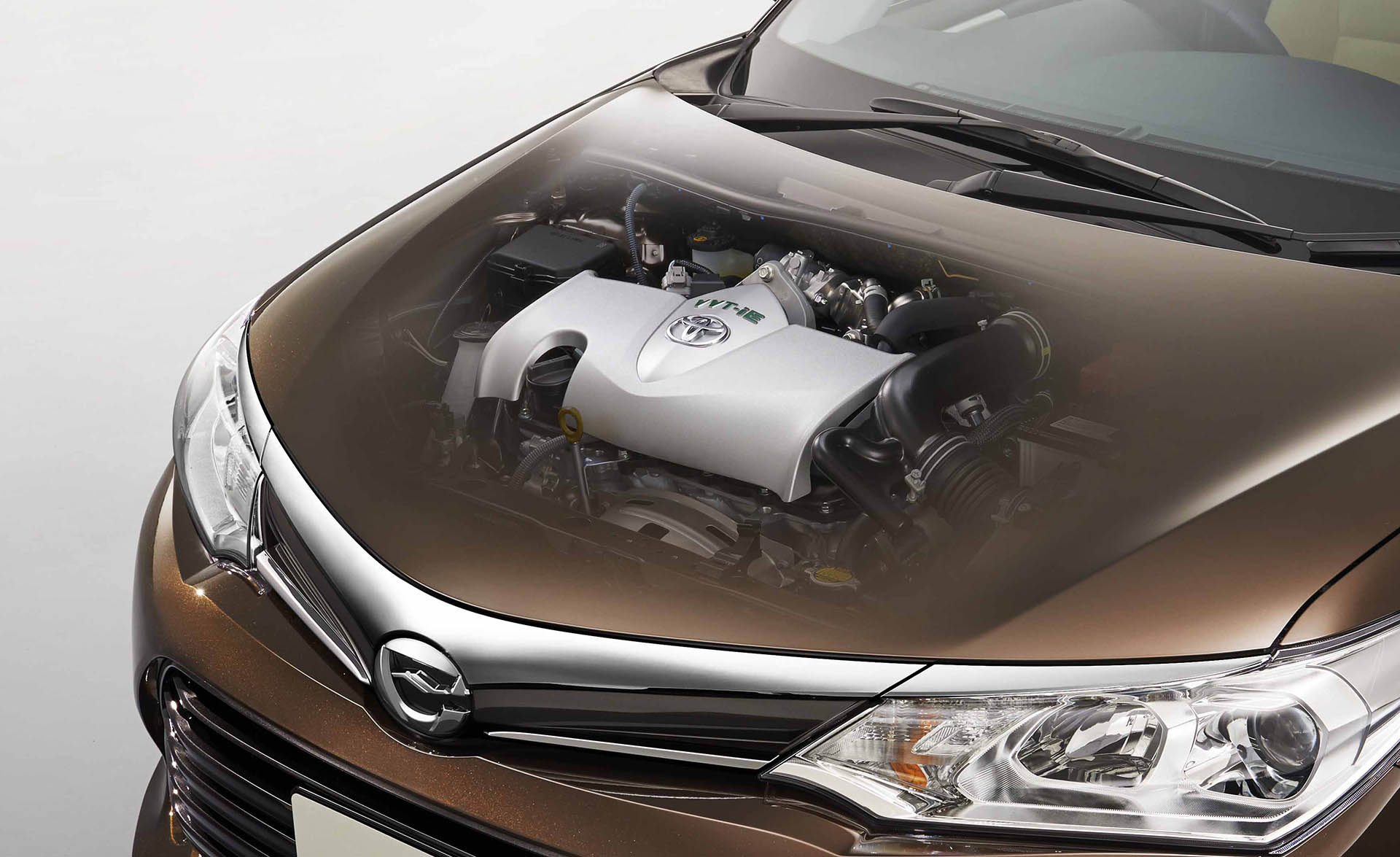
What Engine Options Are Available?
The Axio was sold with four engine and drivetrain combinations, all paired with Toyota’s Super CVT-i, a continuously variable transmission that changes ratio smoothly rather than shifting through fixed gears.
| Engine | Power & Torque | Fuel Economy* | Best Use |
|---|---|---|---|
| 1.3L 1NR-FE | ~95 hp | 123 Nm | 20.6 km/L | City driving, budget buyers |
| 1.5L 1NZ-FE | ~109 hp | 141 Nm | 20.0 km/L | Balanced performance and economy |
| 1.8L 2ZR-FE | ~134 hp | 173 Nm | 16.6 km/L | Highway driving, added performance |
| Hybrid (1.5L + Electric Motor) | ~74 hp | 111 Nm (combined) | 33.0 km/L | Nairobi traffic, lowest running costs |
*Manufacturer figures for the Japanese-market Corolla Axio under the JC08 test cycle, as certified by Japan’s Ministry of Land, Infrastructure, Transport and Tourism (MLIT). Treat these as a ceiling rather than what Kenyan driving conditions will deliver.
How Powerful Is the Toyota Axio?
For everyday driving in Kenya, the answer depends heavily on which engine you choose.
The 1.5-litre engine provides a useful balance between performance and economy. It is capable of normal city driving, highway cruising and overtaking, provided the driver anticipates traffic conditions appropriately.
The 1.3-litre engine is less convincing when fully loaded. This does not make the 1.3-litre Axio unsuitable. It simply means buyers should match their expectations to the engine.
The 1.8-litre engine provides additional performance and is better suited to drivers who spend more time on highways. It generates a maximum power of 134 hp, providing sufficient capability for confident overtaking, though not necessarily for more spirited driving.
For a driver whose routine consists mainly of commuting in Nairobi, the smaller engine can make sense. For regular long-distance journeys with several passengers, the 1.5-litre is the safer recommendation.
Is the Toyota Axio Fast Enough?
For daily commuting and highway cruising, yes. The 1.5L and 1.8L variants have enough mid-range pull for overtaking on single-carriageway roads, while the hybrid’s electric motor adds useful low-speed torque. The 1.3L is the one to avoid if you frequently carry a full car of passengers on the highway, as it can feel strained.
Can the Toyota Axio Tow or Carry Heavy Loads?
The Axio is not rated or intended for towing, and Toyota does not publish payload or towing figures for it in this market. It is best treated as a passenger car for up to five occupants and their luggage, not a load-carrying vehicle.
Driving Experience
How Does the Toyota Axio Drive?
The Axio’s driving character is best described as light, comfortable and predictable.
The Axio prioritises ease of use over engagement. Steering is light, the CVT is smooth, and the whole car is easy to drive without much concentration, which is exactly what most buyers in this segment want.
How Does It Perform in City Traffic?
The Axio truly shines in an urban setting. Its compact size and light controls make it easy to navigate through Nairobi’s traffic, while the tight turning radius simplifies parking in small spaces.
The petrol engines are sufficient for typical driving conditions, but the hybrid model offers a significant advantage in stop-and-go situations. The electric motor can assist with acceleration, enabling the vehicle to operate more efficiently in heavy traffic.
This makes the hybrid particularly appealing for drivers who spend extended periods in Nairobi’s congestion.
Is It Comfortable on the Highway?
The car performs well on Kenyan highways, offering stability and sufficient power from its larger engines, which include a 1.5-litre and a 1.8-litre option, making safe overtaking possible. The hybrid models are especially smooth, as the electric motor provides immediate torque during acceleration.
For long-distance drivers, the Axio’s comfortable suspension, compact size, and efficient engines make it a practical choice compared to larger vehicles, particularly when extra ground clearance or the capacity to carry heavy loads is not required.
Can It Handle Rough Roads or Off-Road Driving?
The Toyota Axio is capable of handling ordinary poor road surfaces, but it should not be considered a vehicle for rough or off-road conditions. Its suspension offers reasonable comfort over uneven tarmac and minor imperfections. However, the 160 mm ground clearance limits its ability to navigate deep potholes, significant road ruts, or severely damaged rural roads.
Drivers in areas with rough roads should proceed with caution when encountering obstacles. The Axio’s front-wheel-drive layout and road-focused suspension are designed for paved roads and well-maintained gravel roads, rather than serious off-road use.
How Does It Ride and Handle?
- Steering: light and precise at low speed
- Suspension: comfort-biased, tuned to absorb rather than communicate road surface
- Braking: ABS-equipped with predictable pedal feel
- Body control: composed on smooth roads, less settled over sharp bumps at speed
Fuel Economy
How Fuel-Efficient Is the Toyota Axio?
Fuel economy is arguably the Axio’s biggest selling point in Kenya. Official JC08 figures range from 16.6 km/L on the 1.8L petrol to as high as 33.0 km/L on the hybrid, though these were measured under Japan’s test cycle rather than Kenyan traffic and road conditions.
What’s the Real-World Fuel Economy?
- 1.3L manual: 20-23 km/L in mixed driving, per owner reports
- 1.5L CVT: 15-18 km/L in urban conditions
- 1.8L CVT: 13-15 km/L combined
- Hybrid: 16-23 km/L in real-world Kenyan driving, with the electric motor doing much of the work in stop-and-go traffic
These are figures consistently reported by Kenyan Axio owners and dealers rather than a single controlled test, so expect some variation depending on driving style, traffic, and vehicle condition.
How Much Will It Cost to Fuel?
At current pump prices, a Nairobi commuter covering around 300 km a week in a 1.5L Axio, averaging 16 km/L in mixed traffic, would use roughly 19 litres a week. Multiply by the current petrol price at your usual station to estimate weekly, monthly, and annual fuel costs, since prices are reviewed periodically by the Energy and Petroleum Regulatory Authority (EPRA).
Fuel cost = Distance travelled ÷ Fuel economy × Price per litre
Safety
Is the Toyota Axio Safe?
The Axio comes with a reasonable spread of passive safety equipment for its class and era, though provision varies significantly by trim and model year, so it is worth checking exactly what a specific used unit has fitted.
What Safety Technology Does It Have?
- Airbags: Driver, passenger, and side protection on most trims
- ABS: Anti-lock Braking System (ABS) with Electronic Brakeforce Distribution (EBD)
- Stability control: Traction and vehicle stability management
- Seatbelts: Three-point belts with pretensioners
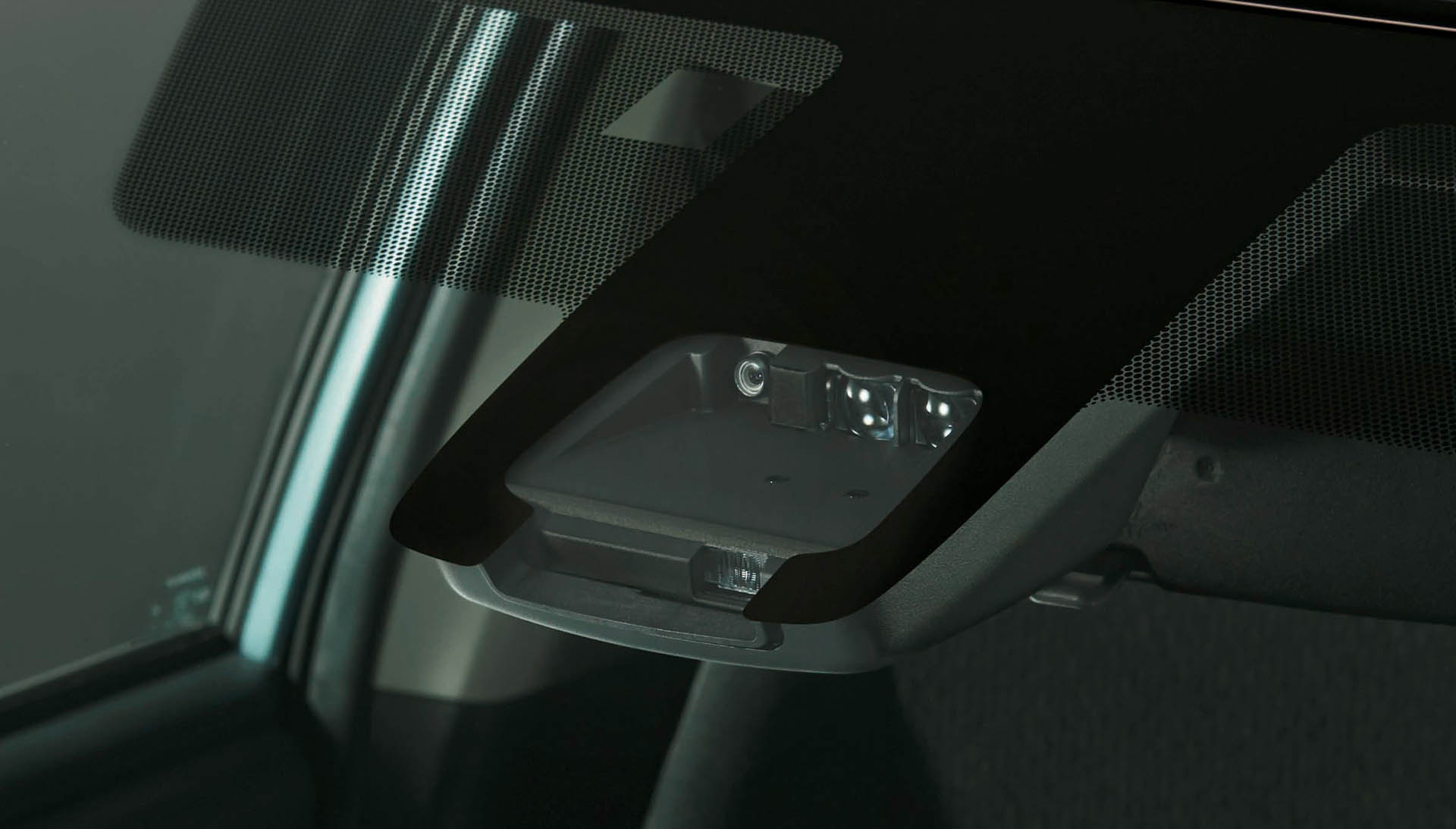
Higher trims add Toyota’s Pre-Collision System (PCS), a form of collision-avoidance technology, along with radar-based cruise control that maintains following distance, Lane Departure Alert (LDA), a reversing camera, and Automatic High Beam (AHB) to ensure excellent forward visibility during night-time driving. These features are worth prioritising if you can find them within budget.
CN Buyer’s Note
A practical safety note: the Axio is reportedly one of the more frequently stolen vehicle models in Kenya, largely because of its popularity and parts value. Buyers should factor in a tracking device and a comprehensive insurance policy, and should verify a car’s logbook and chassis number carefully before purchase.
Trim Levels
Which Trim Should You Buy?
Entry-level: Power steering and windows, air conditioning, a basic audio system, and keyless entry. Best for buyers on a tight budget who want a reliable commuter car and do not need extra features.
Mid-spec: Adds a touchscreen navigation and infotainment system, push-button start, and improved audio. This tier offers the best balance of features and price for most Kenyan buyers.
Top-spec and hybrid: Brings 15-inch alloy wheels, LED headlights, the Pre-Crash Safety System, radar cruise control, and, on hybrids, the TFT display and Nanoe air purifier. Recommended for buyers prioritising fuel economy and safety technology over purchase price.
Technical Specifications
| Specification | Detail |
|---|---|
| Engine Options | 1.3L 1NR-FE / 1.5L 1NZ-FE / 1.8L 2ZR-FE / 1.5L Hybrid |
| Engine Type | In-line 4-cylinder, DOHC |
| Power | 99-134 hp (99-100 hp on hybrid) |
| Torque | 123-173 Nm |
| Fuel Tank Capacity | 36-42 litres |
| Transmission | Super CVT-i (continuously variable) |
| Drive Type | Front-wheel drive |
| Top Speed | 180 km/h |
| Tyre Size | 175/70/R14 (varies by trim and wheel size) |
| Front Suspension | McPherson Strut Coil Springs |
| Rear Suspension | Torsion Beam with Coil Springs |
| Front Brakes | Ventilated Disc |
| Rear Brakes | Drum |
Ownership Costs
How Much Does the Toyota Axio Cost in Kenya?
- Used 1.5L (2015-2018): KSh 1.2-2.2 million
- Used Hybrid (2015-2018): KSh 1.4-2.5 million
- Newer units (2019+): KSh 1.7-3.0 million
Because Toyota ended Axio production in October 2025, new showroom units are no longer available, and the Kenyan market now runs on used imports and locally registered second-hand cars. Prices above reflect the used market rather than a manufacturer price list.
How Much Does It Cost to Own?
Service intervals: basic service (oil, filter, and fluid checks) every 5,000 km, costing roughly KSh 8,000-15,000; a major service including brake inspection and tyre rotation every 10,000 km, costing roughly KSh 15,000-25,000; a comprehensive suspension and steering inspection every 15,000 km; and a major service with air filter replacement and transmission service every 30,000 km.
Is the Toyota Axio Reliable?
Kenyan owners consistently report few mechanical issues, and the 1NZ-FE and 2ZR-FE engines in particular have a strong reputation for durability. The CVT is the component that needs the most attention: regular fluid changes, roughly every 40,000 km, help prevent transmission problems later on.
Is It Expensive to Maintain?
No. Genuine and aftermarket parts are widely available in Nairobi and other major towns, which keeps repair costs down relative to less common imports. The most commonly reported issue outside routine servicing is occasional air conditioning compressor failure on older units.
However, affordability should not be confused with neglect tolerance. A used Axio with an incomplete service history can quickly become expensive if routine maintenance has been ignored.
Competitors
Who Are the Challengers?
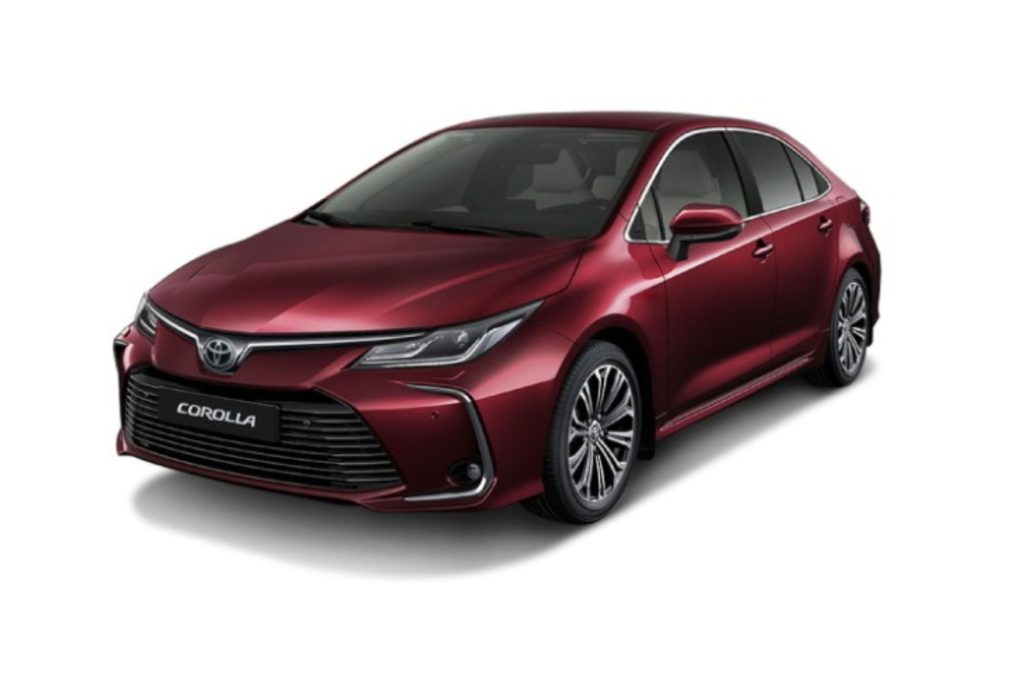
Toyota Corolla (E170/E210): larger and more modern, with better highway refinement, but generally pricier to buy and service than an equivalent Axio.
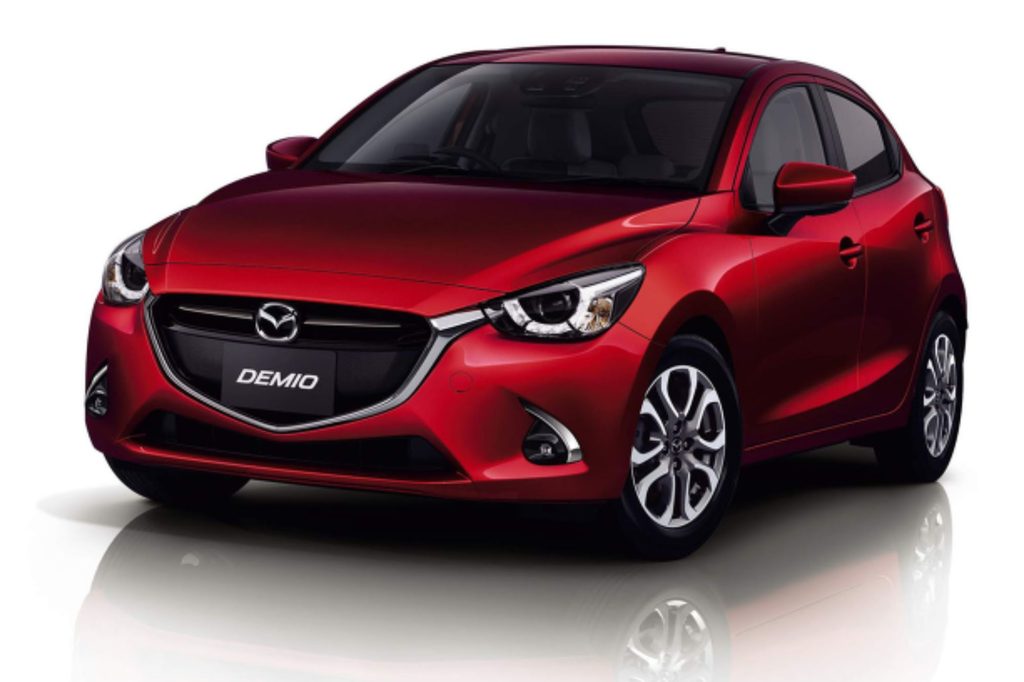
Mazda Demio (Mazda2): sharper to drive and arguably better looking, but with a smaller dealer and parts network in Kenya.
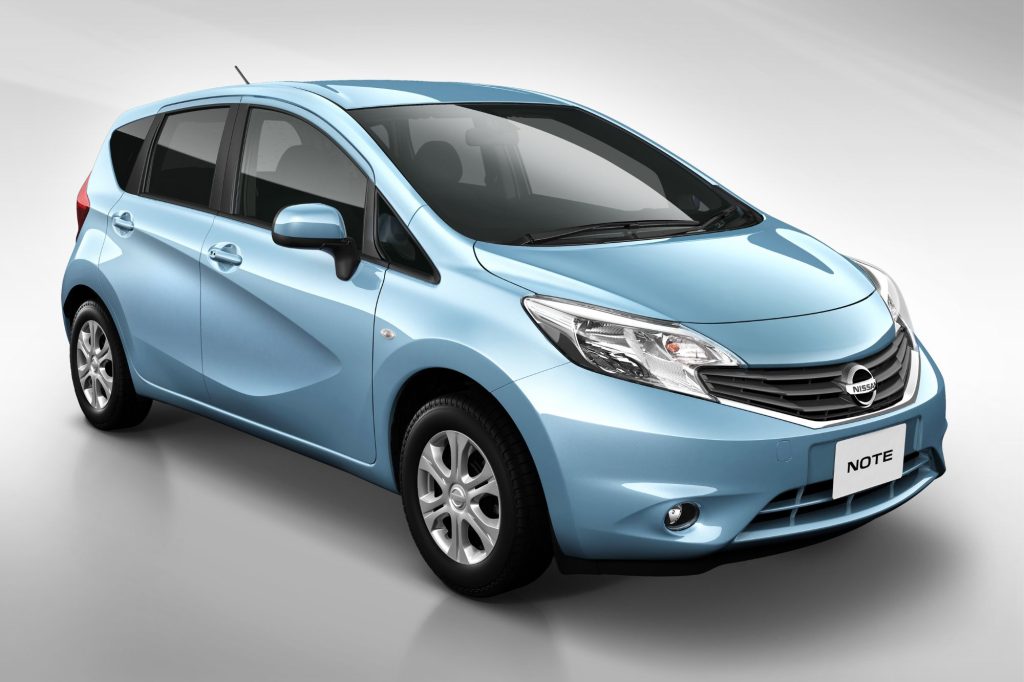
Nissan Note: a strong hybrid fuel-economy rival with a similar reputation for reliability, though parts availability is narrower than Toyota’s.
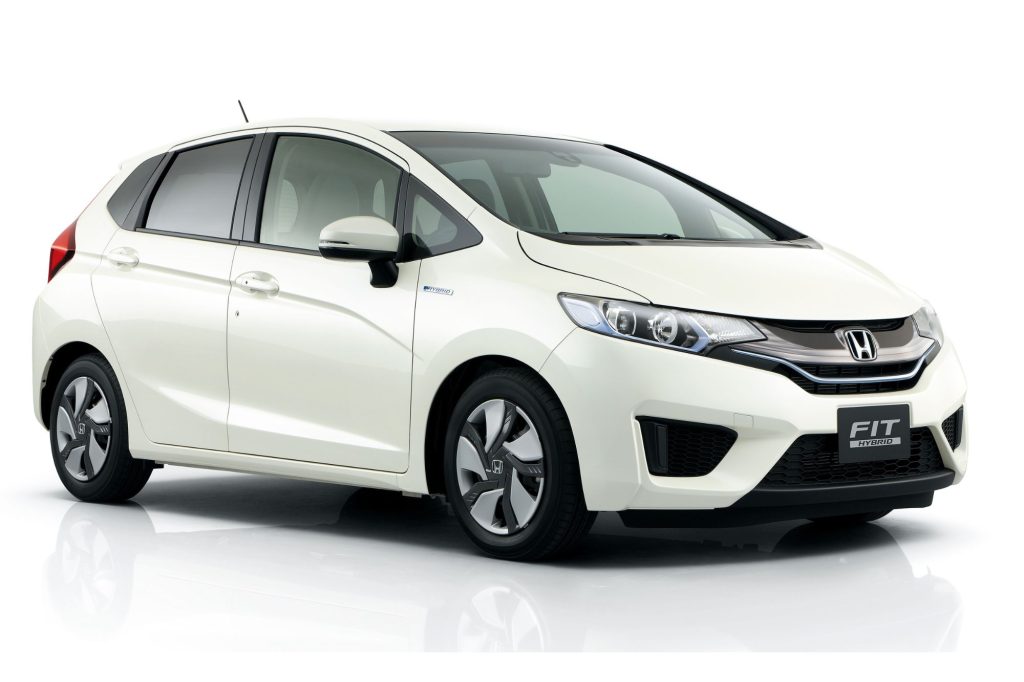
Honda Fit: more practical boot and cabin flexibility thanks to its hatchback layout, at the cost of the Axio’s saloon-style boot separation.
Which Is Better?
For buyers who prioritise parts availability, resale value, and dealer support above all else, the Axio and Corolla (E170/E210) remain the safer choices. For buyers chasing the lowest possible running costs, the Nissan Note e-Power is worth cross-shopping against the Axio hybrid. Let us know in the comments or on the CarTalk KE Forum which one you would choose.
Who Should Buy It?
Is the Toyota Axio Right for You?
- First-time buyers who want a dependable, low-maintenance car and are not chasing performance
- Commuters and small families doing most of their driving in town
- Business owners and fleet operators who value predictable running costs and parts availability
- Buyers prioritising fuel economy above cabin space or driving enjoyment
Who should look elsewhere: buyers who regularly drive rough or rural roads should consider a crossover with more ground clearance, and those who want a genuinely engaging drive will find more satisfaction in a Mazda Demio or similar.
Pros & Cons
| ✅ Pros | ❌ Cons |
|---|---|
| Strong fuel economy, especially on the hybrid | CVT requires disciplined, regular servicing |
| Low maintenance costs with widely available parts | Conservative design styling |
| Proven Toyota mechanical reliability | Modest acceleration on the 1.3L and 1.5L engines |
| Spacious rear legroom for a compact sedan | Ground clearance limits use on rough roads |
| Strong resale value in Kenya’s used market | 450-litre boot is smaller than larger saloon or its Fielder wagon variant |
| Comprehensive safety features on higher trims | Reportedly a frequent target for vehicle theft in Kenya |
CN Verdict
Is the Toyota Axio Worth Buying?
Yes, with the caveat that buyers now need to shop the used market carefully rather than choosing from new showroom stock. The Axio’s biggest strengths remain fuel economy, low running costs, and Toyota’s dependable engineering. Its biggest weaknesses are unremarkable styling, modest performance on the smaller engines, and a theft rate that makes tracking and comprehensive insurance worth the extra cost.
Overall, the Axio continues to deliver strong value for money for buyers who want dependable, affordable transport rather than driving excitement. The hybrid variant is worth the premium for anyone prioritising fuel economy, while the 1.5L petrol remains the best all-round value choice.
CN Rating
| Category | Score |
|---|---|
| Exterior Design | 7/10 |
| Interior & Comfort | 7/10 |
| Practicality | 8/10 |
| Technology | 6/10 |
| Performance | 7/10 |
| Fuel Economy | 9/10 |
| Safety | 7/10 |
| Ownership Costs | 9/10 |
| Value for Money | 9/10 |
| Overall Rating | 8/10 |
Editorial Award
⭐ Highly Recommended – An excellent vehicle for its intended buyer, with only minor compromises against newer or larger alternatives.








No Comment! Be the first one.