









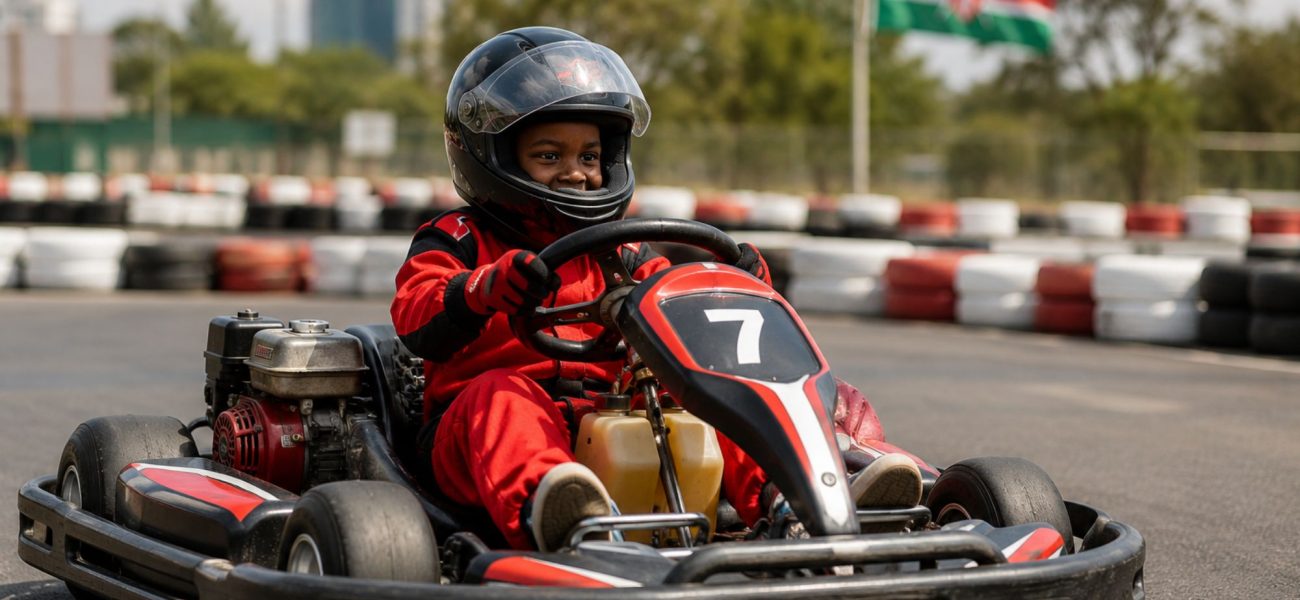
From Go-Kart to Rally Car: How Go-Karting is Nurturing Kenya’s Future Rally Champions
Discover how go-karting is creating Kenya's next generation of rally champions, from school holiday karting to the Kenya National Rally Championship.

CN Quick Facts
- Karting teaches the technical and mental skills that underpin competitive racing across multiple disciplines.
- Kenya is expanding junior motorsport opportunities through karting, motocross and national rally programmes.
- While only a small number of children will become professional racers, structured grassroots programmes are creating more opportunities than ever before.
How Kenya’s School Holiday Tracks are Shaping the KNRC Champions of Tomorrow.
Every rally champion has a starting line. For many of the world’s greatest drivers, that starting line wasn’t behind the wheel of a rally car; it was inside a go-kart. Before learning how to tackle gravel stages, pace notes or high-speed cornering, they first mastered the basics of braking, steering and racecraft on circuits barely a kilometre long.
What's in this Article
- How Kenya’s School Holiday Tracks are Shaping the KNRC Champions of Tomorrow.
- Why Does Go-Karting Matter in Motorsport?
- How Is Kenya Building a Grassroots Motorsport Pipeline?
- More Than a Hobby: What Children Learn Behind the Wheel
- A New Generation Is Already Emerging
- From Holiday Karting to the Kenya National Rally Championship
- Why Facilities Like TGRV Circuit Matter
- Real-World Example
- Conclusion
Kenya’s motorsport ecosystem is beginning to mirror that global pathway. School holiday karting experiences, junior motocross championships and youth-focused racing programmes are gradually creating a clearer route for young enthusiasts to progress into competitive motorsport.
For parents, this raises an interesting question: could a fun day at a karting circuit become the first chapter in a much bigger journey?
Why Does Go-Karting Matter in Motorsport?
Nearly every major form of motorsport demands the same core skills:
- Vehicle control
- Racing lines
- Braking technique
- Throttle control
- Decision-making
- Spatial awareness
- Concentration under pressure
Go-karts provide an accessible platform to develop these skills because they are lightweight, responsive and operated in controlled environments.
Around the world, drivers in Formula One, endurance racing and rallying have used karting as their first competitive experience. Kenya’s motorsport community increasingly views karting through the same lens, not simply as entertainment, but as a training ground.
How Is Kenya Building a Grassroots Motorsport Pipeline?
Kenya’s motorsport calendar now includes entry points for children across different disciplines.
One recent example was the Kenya National Motocross Championship held on 12 July 2026 at the Jamhuri MX Track, organised by the Motorcycle Sports Federation of Kenya (MSFK). The championship featured dedicated youth classes, including MX Peewee, MX 50, MX 65 and MX 85
These categories are specifically designed to introduce younger competitors to organised motorsport in age-appropriate machinery, allowing them to develop skills progressively before advancing to larger, faster classes.
The principle is similar in karting: children begin in junior karts, gain confidence through supervised sessions, and, if they choose, can move into organised competition.
The availability of structured junior categories is an important ingredient in building a sustainable motorsport ecosystem.
More Than a Hobby: What Children Learn Behind the Wheel
Parents often see karting as an exciting holiday activity. Drivers and coaches tend to see something more. Every session reinforces habits that are valuable both on and off the circuit:
- Looking ahead rather than directly in front of the vehicle.
- Judging braking distances.
- Understanding grip levels.
- Reacting calmly under pressure.
- Following rules and safety procedures.
- Respecting competitors and officials.
These lessons translate beyond racing, helping to develop discipline, patience and decision-making. Importantly, the emphasis at the grassroots level should remain on learning and enjoyment rather than early competition.
A New Generation Is Already Emerging
One encouraging sign for Kenyan motorsport is the growing diversity of competitors and families involved in the sport.
The mother-and-daughter pairing of Caroline and Tinashe Gatimu competed in the Kenya National Rally Championship (KNRC). They further made history as the first mother-daughter duo to finish the gruelling World Rally Championship leg in Kenya, competing in the national support/local categories tied to the main event. This illustrates how motorsport is becoming a family pursuit rather than an individual one. Their story reflects a broader shift in which parents are increasingly participating alongside their children, whether as competitors, navigators, mechanics or supporters.
For many young enthusiasts watching the KNRC, seeing families actively involved helps make motorsport feel more accessible and achievable.
While every driver’s journey is unique, stories like theirs demonstrate that success in motorsport often begins with family encouragement long before a championship trophy is won.
From Holiday Karting to the Kenya National Rally Championship
There is no single route into rallying, but a typical development pathway could look like this:
- Stage 1: Discover the Sport – A child experiences recreational karting during school holidays, learning basic vehicle control and track etiquette.
- Stage 2: Build Skills – Regular karting sessions improve consistency, confidence and racecraft while introducing structured coaching.
- Stage 3: Enter Junior Competition – Drivers progress into organised junior karting or other youth motorsport disciplines where available, gaining experience in competitive environments.
- Stage 4: Expand into Rally or Circuit Racing – As drivers mature, opportunities may include junior rally programmes, circuit racing or other national-level competitions, depending on regulations, licensing requirements and available championships.
- Stage 5: Compete Nationally – Experienced drivers can eventually progress into championships such as the Kenya National Rally Championship, where success depends not only on speed but also on preparation, teamwork and consistency.
Not every child will follow this pathway, and they do not need to. For many families, karting remains a rewarding recreational activity in its own right.
Why Facilities Like TGRV Circuit Matter
Purpose-built facilities play a critical role in grassroots development.
The TGRV Circuit near Mai Mahiu offers more than an enjoyable day out. Its 1.2-kilometre CIK-FIA-certified circuit exposes young drivers to a layout designed around internationally recognised motorsport standards.
Rather than simply driving around an amusement-style track, participants encounter corners, braking zones and racing lines that encourage the development of proper driving techniques.
As Kenya’s motorsport community continues investing in infrastructure, facilities like these could become increasingly important in identifying and nurturing future talent.
Expert Insight
Grassroots participation remains central to the long-term health of any motorsport discipline.
Under the leadership of its new president, Altaf Ganatra, Motorsport Kenya has emphasised the importance of strengthening grassroots participation and creating clearer pathways for young competitors to enter organised motorsport. Encouraging children to begin in structured, supervised environments such as karting or junior racing programmes helps build both technical ability and a lasting culture of safe competition.
While championship success cannot be guaranteed, expanding participation at the grassroots level increases the pool of future drivers, officials, engineers and volunteers who sustain the sport over time.
Real-World Example
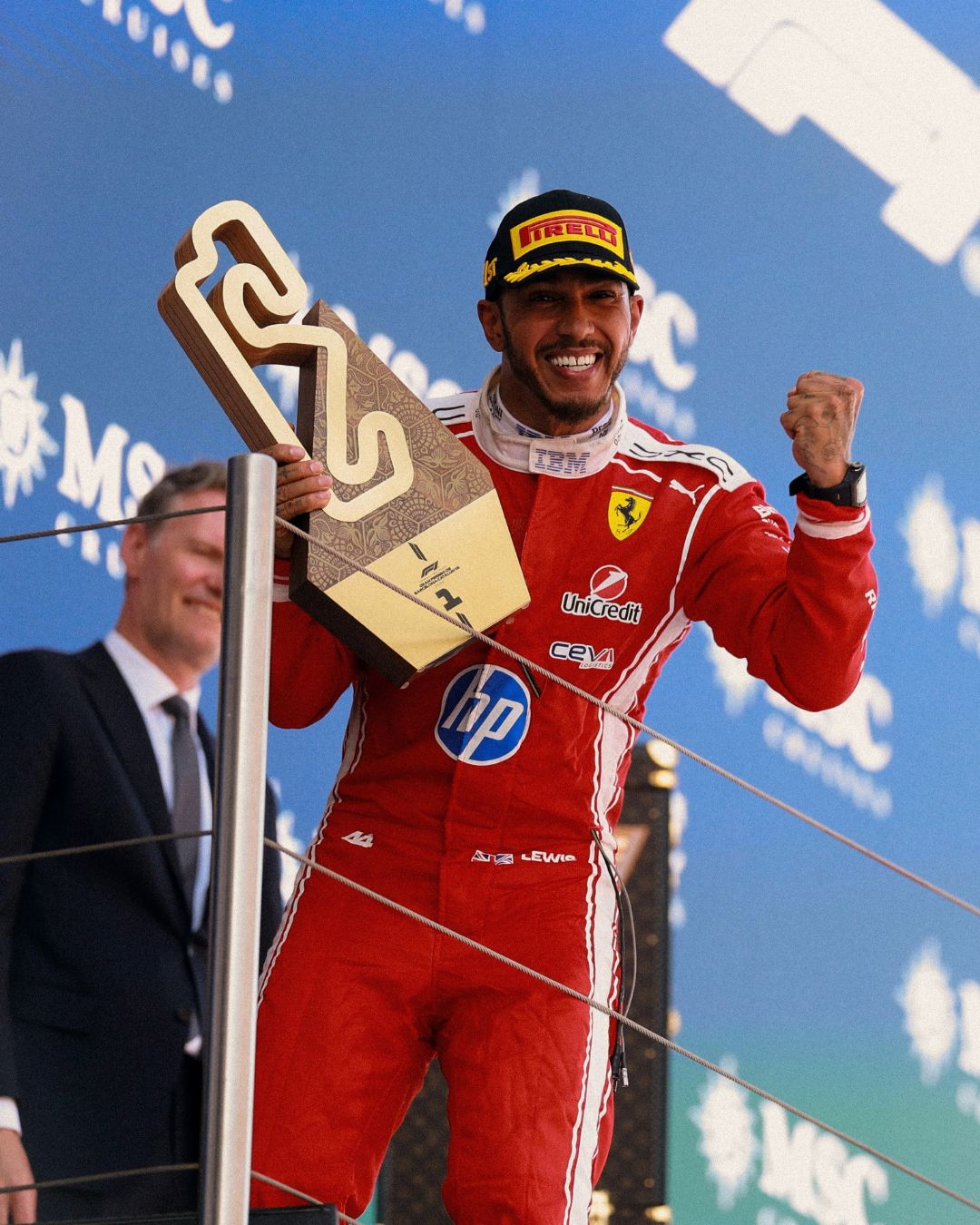
Lewis Hamilton’s extraordinary journey began at age six when he dominated national radio-controlled car championships, showcasing a natural talent for racing long before he ever sat in a real cockpit.
At age eight, his father gifted him a secondhand go-kart, sparking a rapid rise through the British karting ranks that culminated in Hamilton becoming the youngest British cadet champion at just ten years old. It was during this time that he famously approached McLaren boss Ron Dennis, confidently declaring he would race for his team one day. True to his word, McLaren signed the 13-year-old prodigy to their driver development program, funding his ascension through the European karting circuits and junior single-seater formulae like Formula 3 and GP2.
By 2007, Hamilton made his historic Formula 1 debut with McLaren, instantly taking the sport by storm with a podium in his very first race and setting the stage to become one of the most successful drivers in motorsport history.
Frequently Asked Questions
No. Drivers enter motorsport through different disciplines, including karting, motocross and circuit racing. However, karting is widely regarded as one of the strongest foundations for developing driving skills.
Not necessarily. Most young drivers begin with recreational sessions before moving into organised competitions when they have sufficient experience and meet age and licensing requirements.
No. Many participants enjoy motorsport recreationally, gaining confidence, discipline and technical skills without pursuing a professional career.
Yes. Kenya hosts junior competitions across disciplines, including youth motocross categories and structured karting opportunities, with pathways into broader motorsport activities.
Safety, enjoyment and gradual skill development should take priority over competition or results.
CN Key Takeaways
- ✔ Karting develops the core skills used across many forms of motorsport.
- ✔ Kenya’s grassroots motorsport ecosystem continues to expand through junior racing initiatives.
- ✔ Youth-focused categories in events such as the Kenya National Motocross Championship provide structured opportunities for young competitors.
- ✔ Families play a crucial role in supporting children’s long-term participation in motorsport.
- ✔ The goal of grassroots programmes is to build skills, confidence and safe driving habits—whether or not a child pursues competitive racing.
Conclusion
The excitement of a school holiday karting session can last well beyond a single afternoon. For some children, it remains a memorable family outing. For others, it may spark a lifelong interest in engineering, vehicle dynamics or competitive racing. As Kenya continues investing in grassroots motorsport—from junior karting circuits to youth motocross categories and national rally programmes—the pathway into the sport is becoming more visible than ever before.
Whether a young enthusiast eventually reaches the Kenya National Rally Championship or simply gains confidence and discipline through recreational driving, the value of grassroots motorsport extends far beyond the chequered flag. Every champion begins somewhere, and increasingly, that journey in Kenya starts with a helmet, a kart and an encouraging parent standing trackside.






No Comment! Be the first one.