









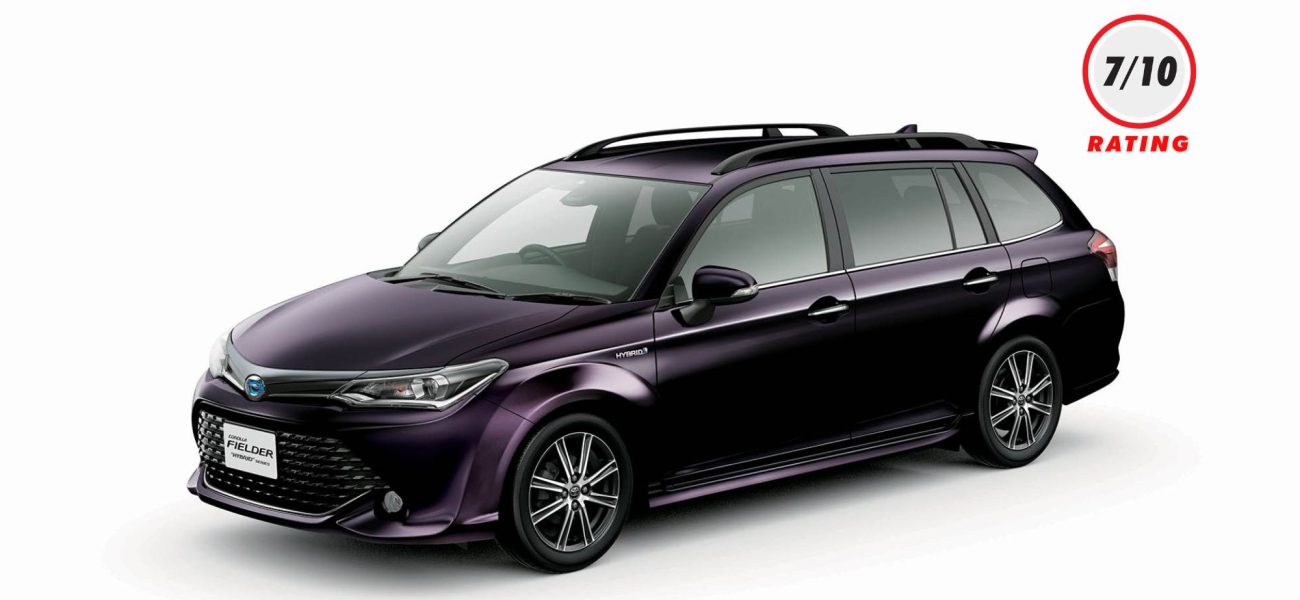
Toyota Corolla Fielder Review
CarNews KE explores if the Fielder's additional cargo space justifies its higher price compared to the Axio sedan and whether it's still a worthwhile purchase now that Toyota has ceased production.

CN Quick Verdict
Overall Rating: 7/10
- Best For: Buyers who want Axio-style reliability and economy with far more cargo space
- Starting Price (Kenya, used): From KSh 950,000
- Engine Featured: 1.5-litre 1NZ-FE petrol, plus notes on the 1.8L, hybrid, and 4WD variants
- Transmission: Super CVT-i (continuously variable transmission); 4WD available on 1.5L and 1.8L petrol
- Real-World Fuel Economy: 13-18 km/L (1.5L petrol, 2WD); 18-24 km/L (hybrid), based on owner and dealer-reported figures
- Main Competitors: Toyota Axio, Nissan Wingroad, Honda Fit Shuttle, Toyota Succeed
CN Quick Facts
| What We Like | Things to Consider |
|---|---|
| ✔ Significantly larger boot than the Axio sedan | ✘ No 1.3-litre option, so entry prices sit a little higher |
| ✔ Standard one-touch, double-fold rear seats | ✘ Slightly heavier, so fuel economy trails the Axio |
| ✔ Good fuel economy | ✘ CVT requires proper maintenance |
| ✔ Optional 4WD for upcountry and rural driving | ✘ Bulkier to park than the Axio sedan |
| ✔ Proven Toyota reliability and low maintenance costs | ✘ Also a frequent target for vehicle theft |
| ✔ Wide spare parts availability | ✘ Ride can feel firmer than the Axio when fully loaded |
What's in this Article
What Is the Toyota Fielder?
The Toyota Corolla Fielder is a compact station wagon that has become one of Kenya’s most familiar family and business vehicles. The Fielder name first appeared in Japan in November 2000 as the wagon version of the ninth-generation Corolla, replacing the older Corolla Wagon nameplate.
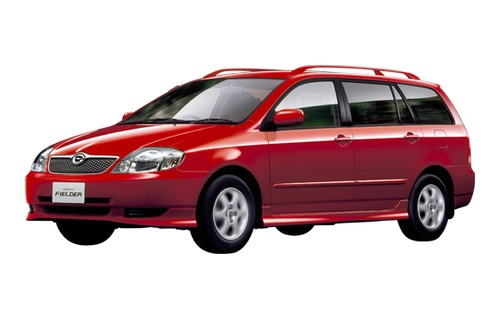
Toyota chose the name because “fielder” suggests a car suited to field trips, sport, and everyday versatility, much as a fielder in cricket or baseball covers whatever comes their way. It is the practical, load-carrying counterpart to the Corolla Axio sedan, sharing the same mechanicals but trading boot-lid elegance for genuine cargo capacity.
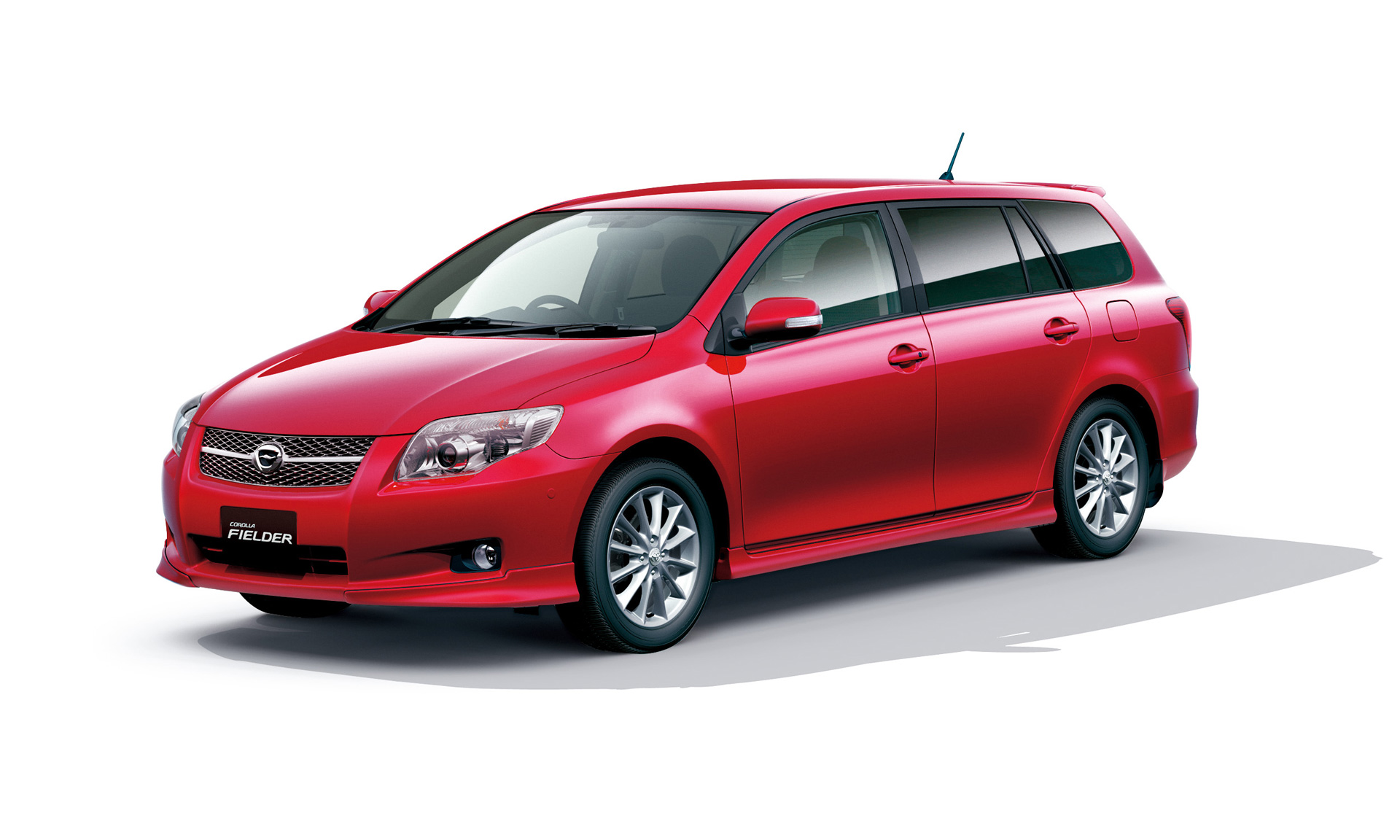
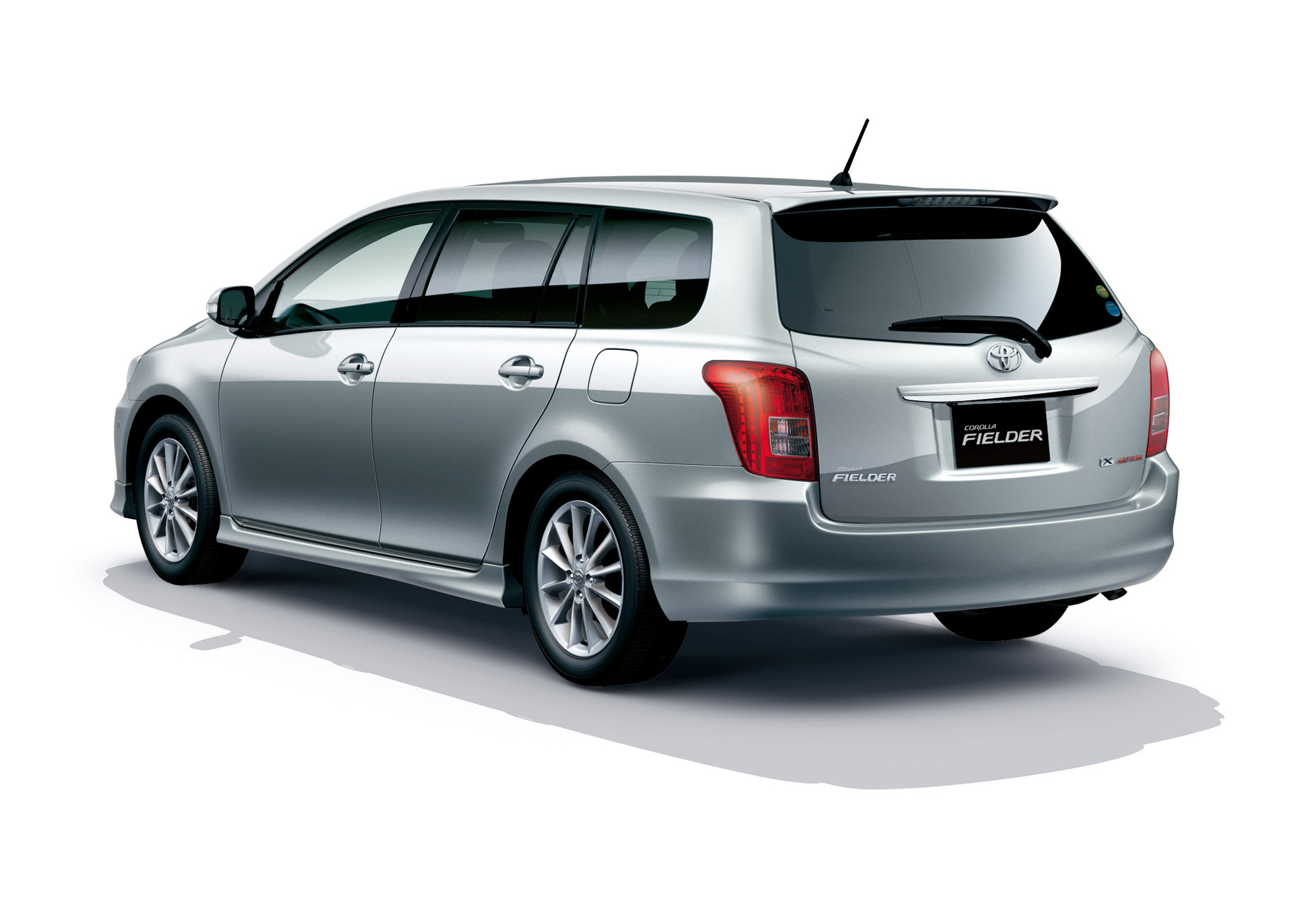
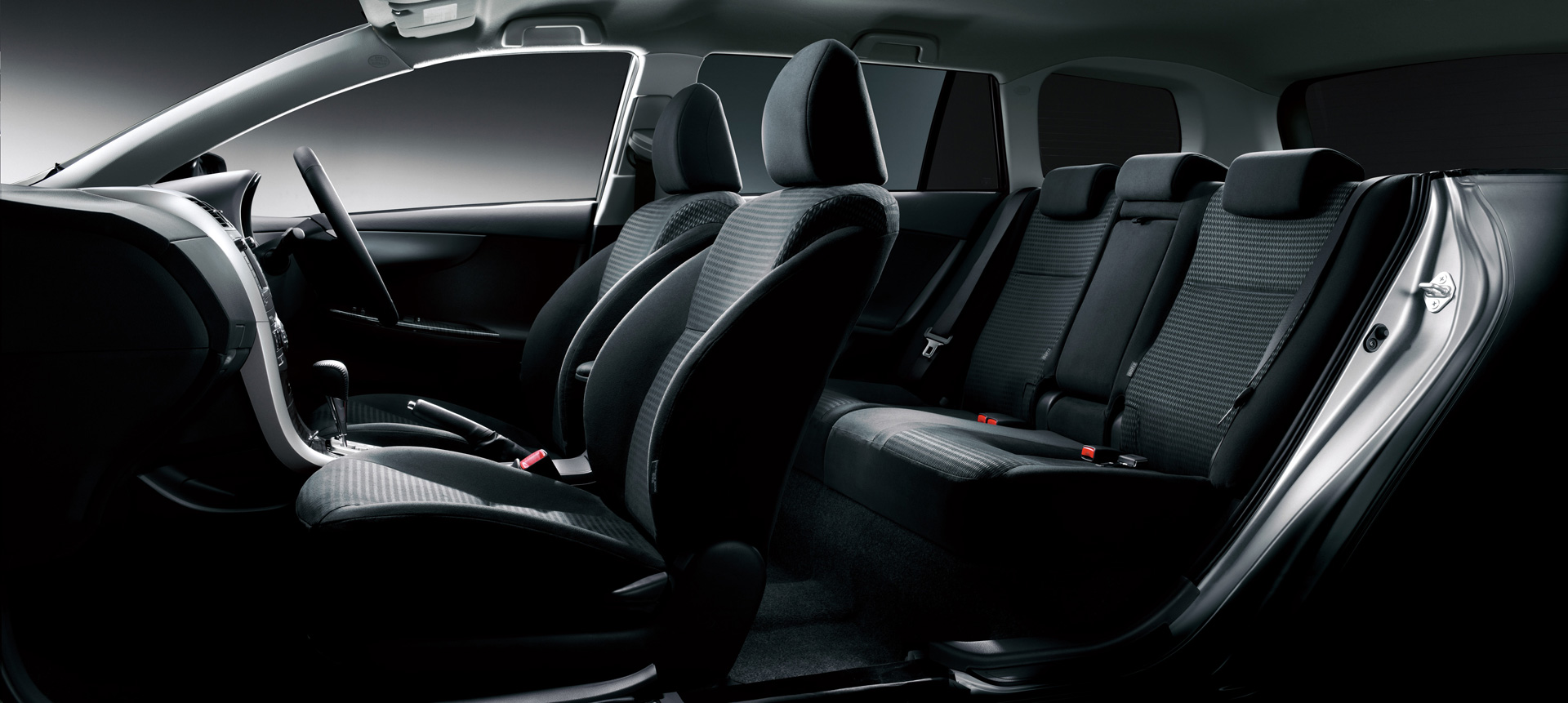
The current, second-generation Fielder rides on the same E160 platform as the Axio, introduced in May 2012. Toyota gave every Fielder a standard one-touch, double-folding rear seat from launch, a feature that was optional or unavailable on rival wagons at the time and remains one of the model’s most useful everyday features.
Toyota gave the Fielder its own engine lineup within the E160 range: unlike the Axio, it was never offered with the smaller 1.3-litre engine, so the line-up starts at 1.5 litres. A 1.8-litre option and, from August 2013, a 1.5-litre petrol-hybrid using Toyota’s Hybrid Synergy Drive system rounded out the range, alongside 4WD versions of the 1.5L and 1.8L petrol engines aimed at buyers who need extra traction.
CN Buyer’s Note
Toyota discontinued the Fielder globally in October 2025, alongside the Axio. This review remains relevant because Kenya’s market for the model now consists mainly of used imports and locally registered pre-owned units, rather than new showroom stock. As a result, the buying conversation has shifted toward inspection and vehicle history rather than dealer options.
Exterior Design
What Does the Toyota Fielder Look Like?
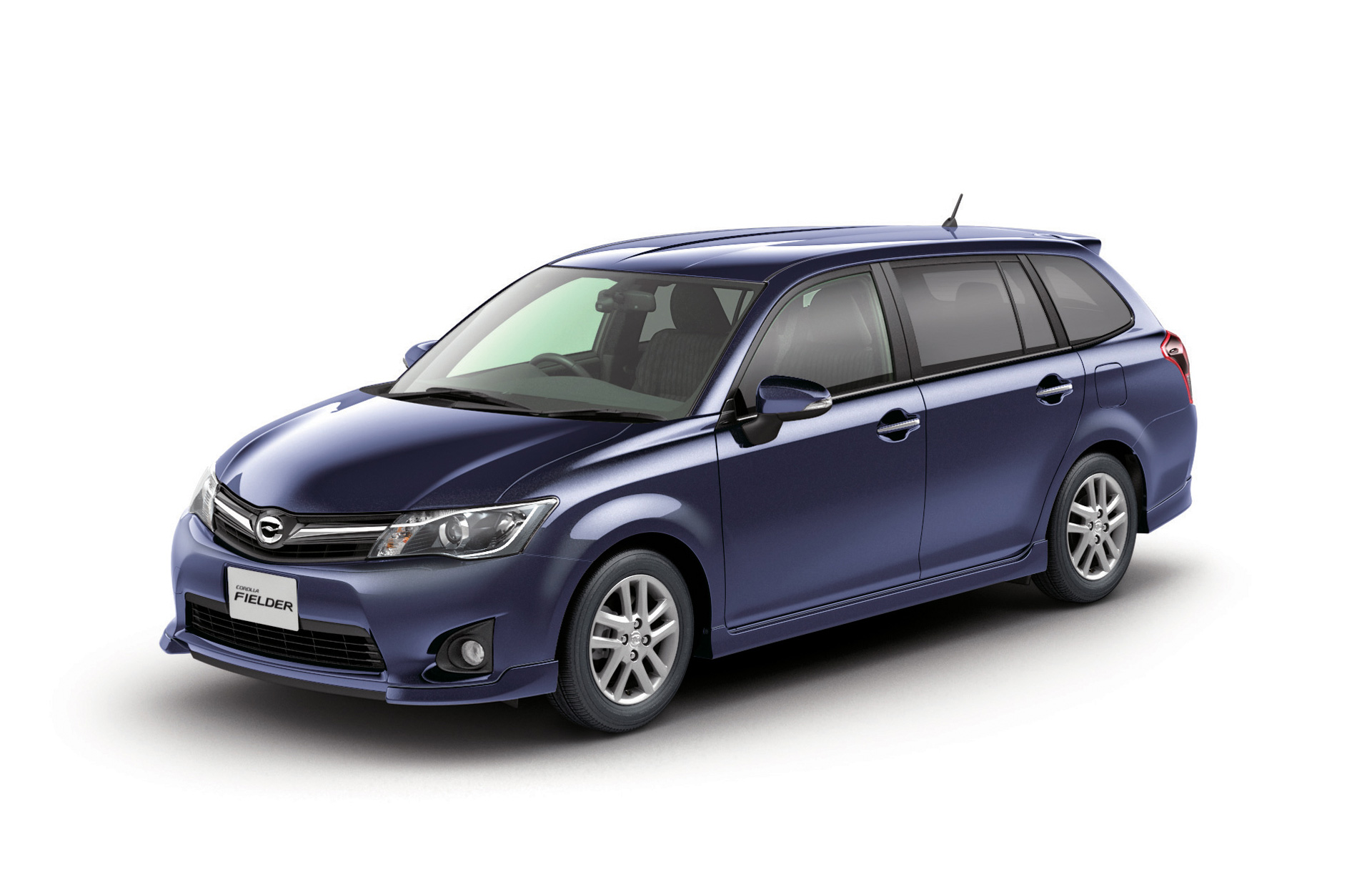
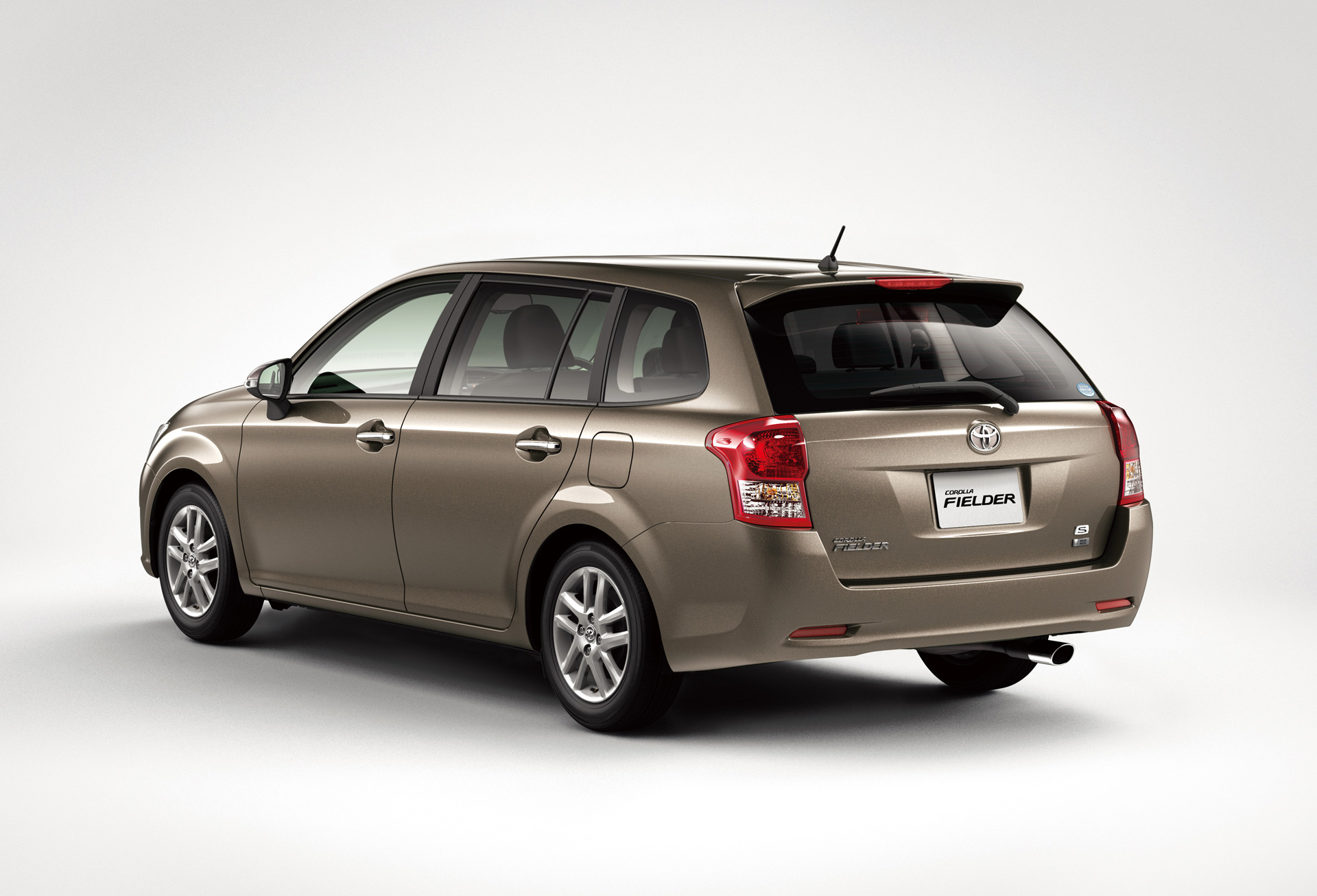
The Fielder shares its front-end styling with the Axio sedan, including the swept-back headlights and lower grille, but the resemblance ends at the B-pillar. From there, the roofline runs flat to a near-vertical tailgate, prioritising cargo volume over the Axio’s more conventional saloon profile.
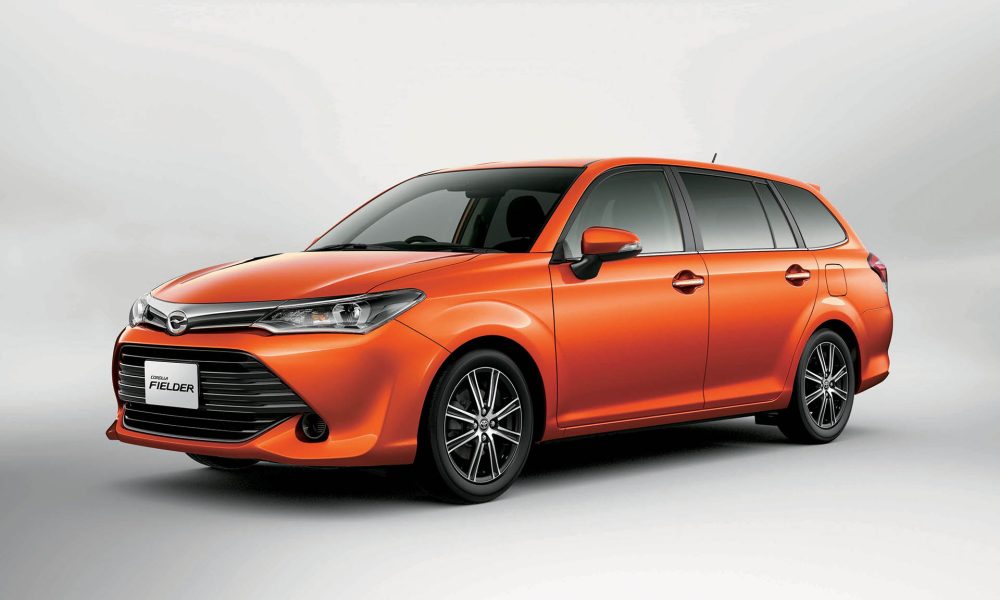
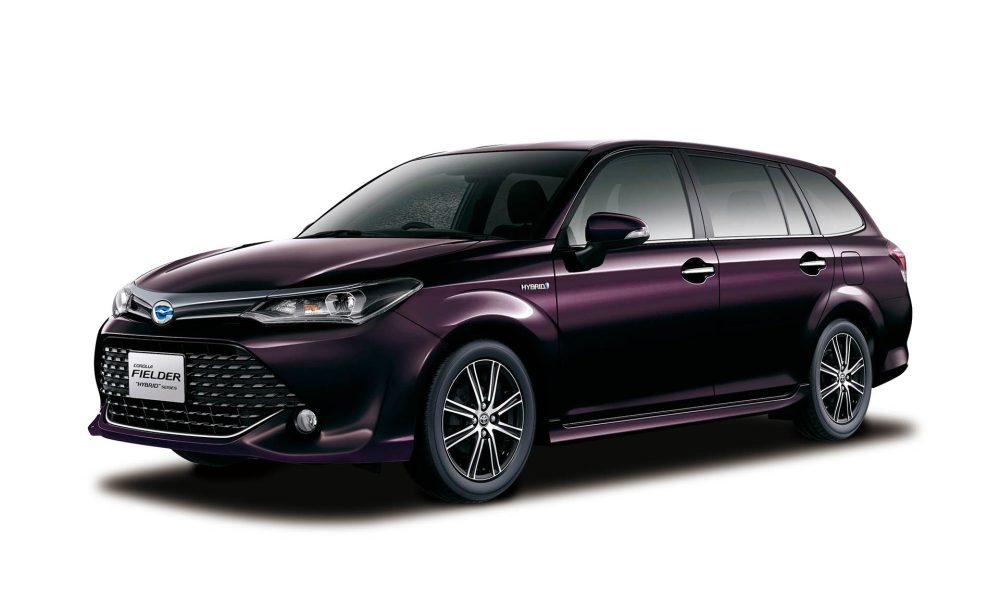

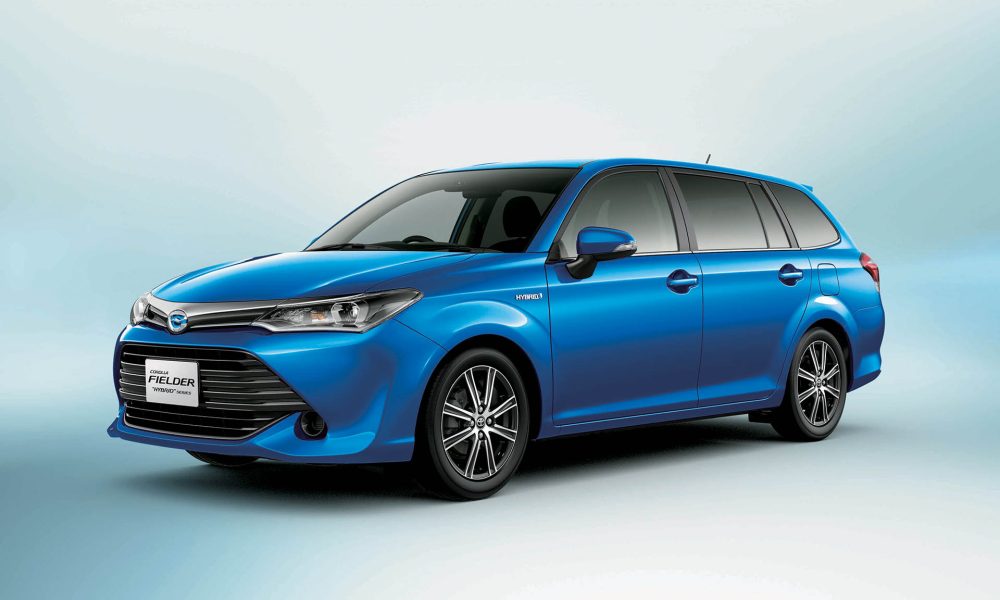
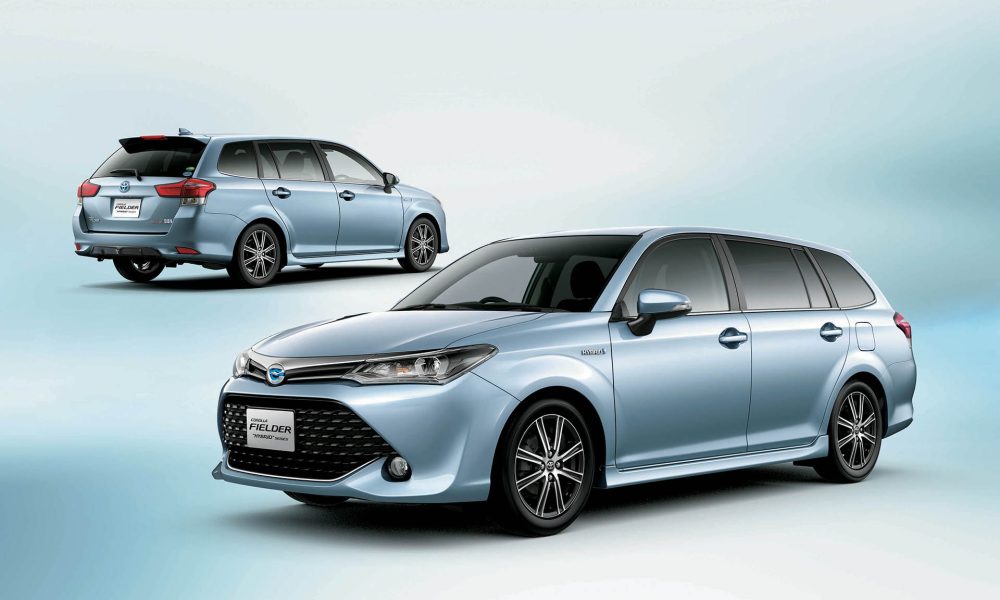
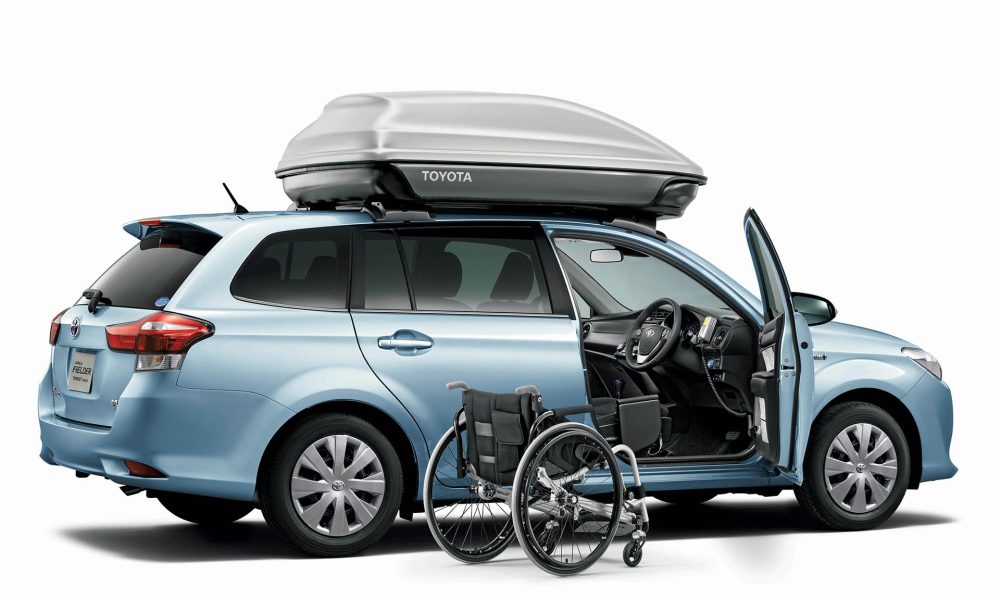

Hybrid models are distinguished by blue-tinted badging and Synergy Blue emblems. Facelifted and higher-spec models feature projector or LED headlights and 15-inch alloy wheels, which significantly enhance the car’s visual presence. In contrast, entry-level trims come equipped with steel wheels and halogen headlights, making it easy to identify the generation and specification level of the car during inspection.
From the side, the Fielder’s extended roofline maximises rear headroom and makes the load area easier to access. At the back, a large tailgate and low loading lip make it straightforward to slide in bulky items, a genuine advantage over the Axio’s smaller boot opening.
How Big Is the Toyota Fielder?
- Dimensions (L x W x H): 4400 x 1695 x 1475 mm
- Wheel Base: 2,600 mm
- Ground Clearance: Approximately 160 mm
- Weight: approximately 1,180-1,250 kg, depending on engine and drivetrain
- Boot Capacity: approximately 460-470 litres with the rear seats in place, expanding substantially with the seats folded flat
- Seating: 5 persons
- Min. Turning Radius: 4.9 m
Is the Toyota Fielder Built for Kenyan Roads?
The Fielder’s 155-160 mm ground clearance is adequate for tarmac and reasonably maintained murram, similar to the Axio, and will bottom out on deep potholes or badly rutted rural roads if left standard. The 4WD variants, fitted with Toyota’s Active Torque Control system, add meaningful confidence on wet, loose, or uneven surfaces without turning the car into an off-roader, and are worth seeking out for buyers who regularly drive upcountry.
Interior & Practicality
What Is the Toyota Fielder Like on the Inside?
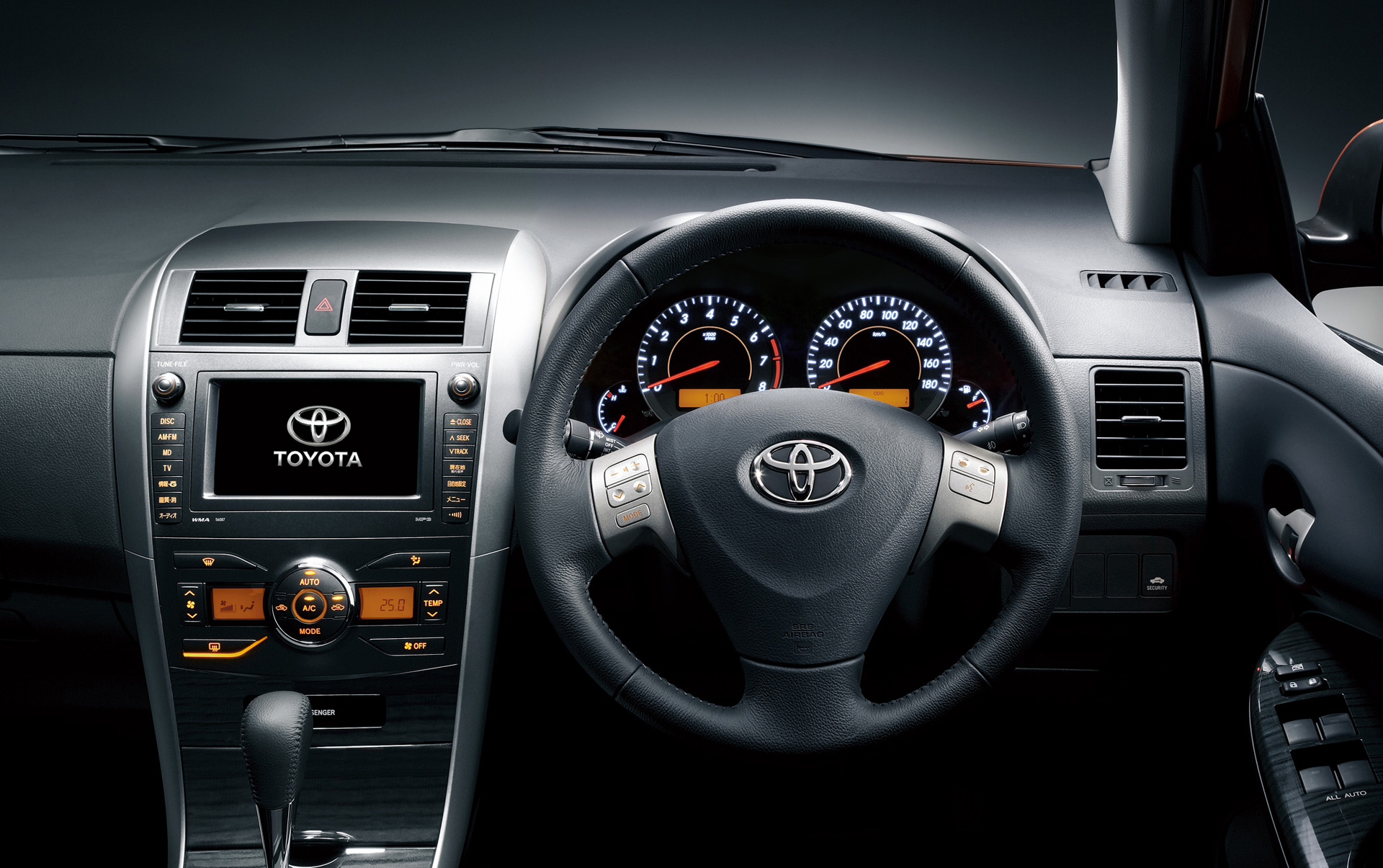
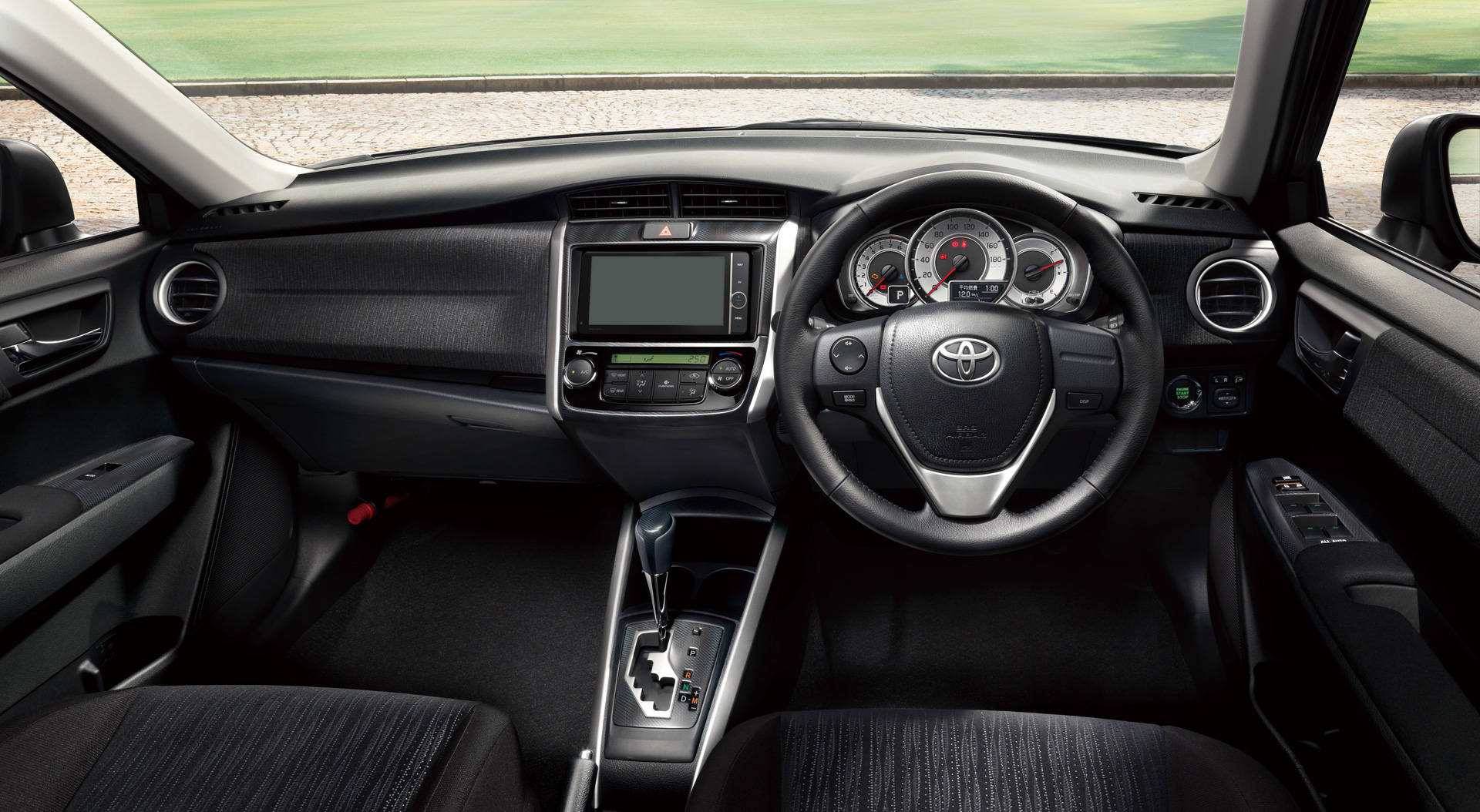
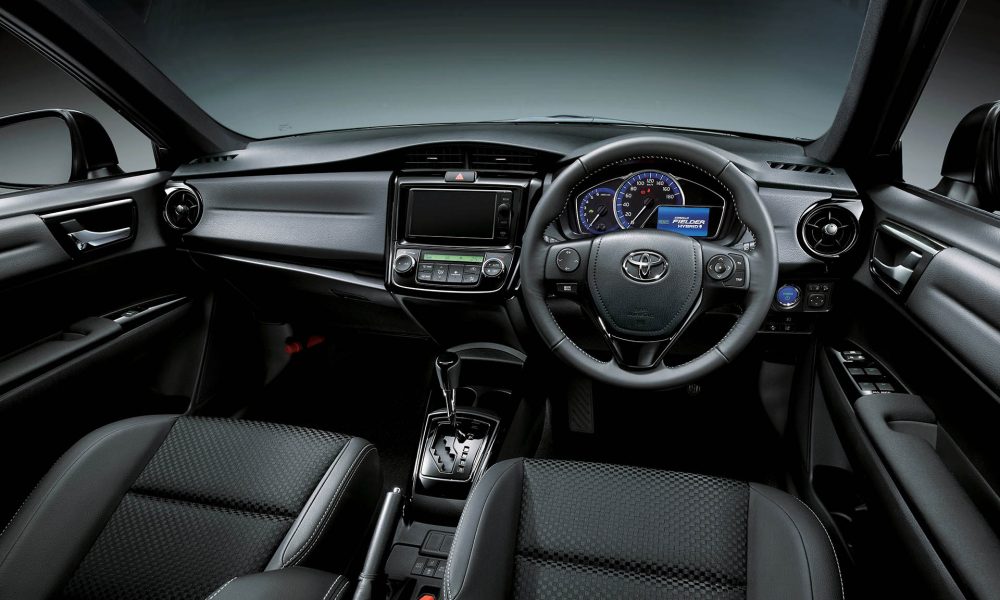
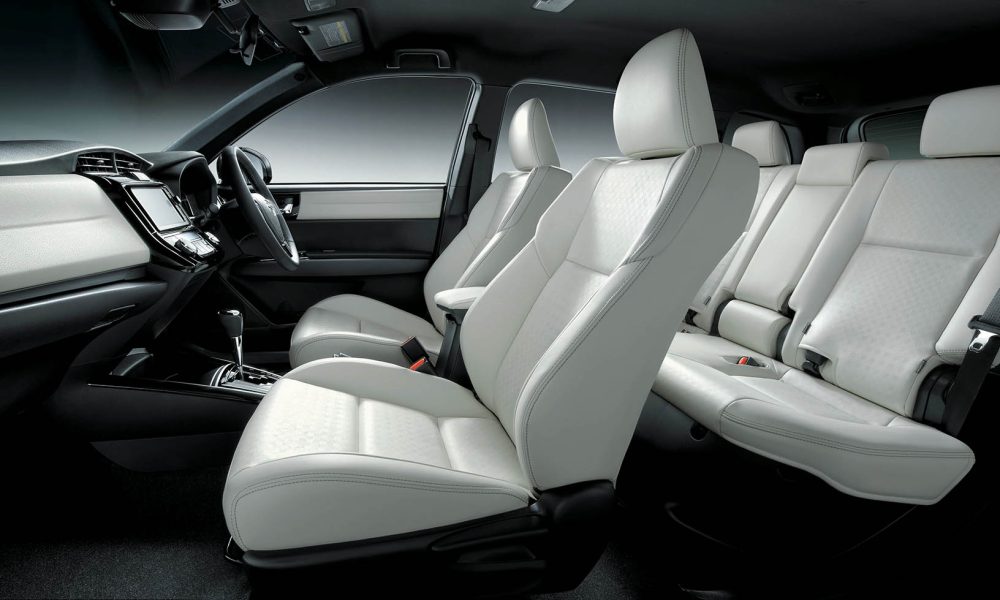
Cabin design mirrors the Axio’s straightforward layout: hard-wearing plastics, simple switchgear, and a dashboard built to survive years of daily use rather than impress in the showroom. Build quality feels consistent with Toyota’s reputation, and the added glass area from the wagon roofline gives the cabin a slightly airier feel than the sedan.
How Comfortable Is the Toyota Fielder?
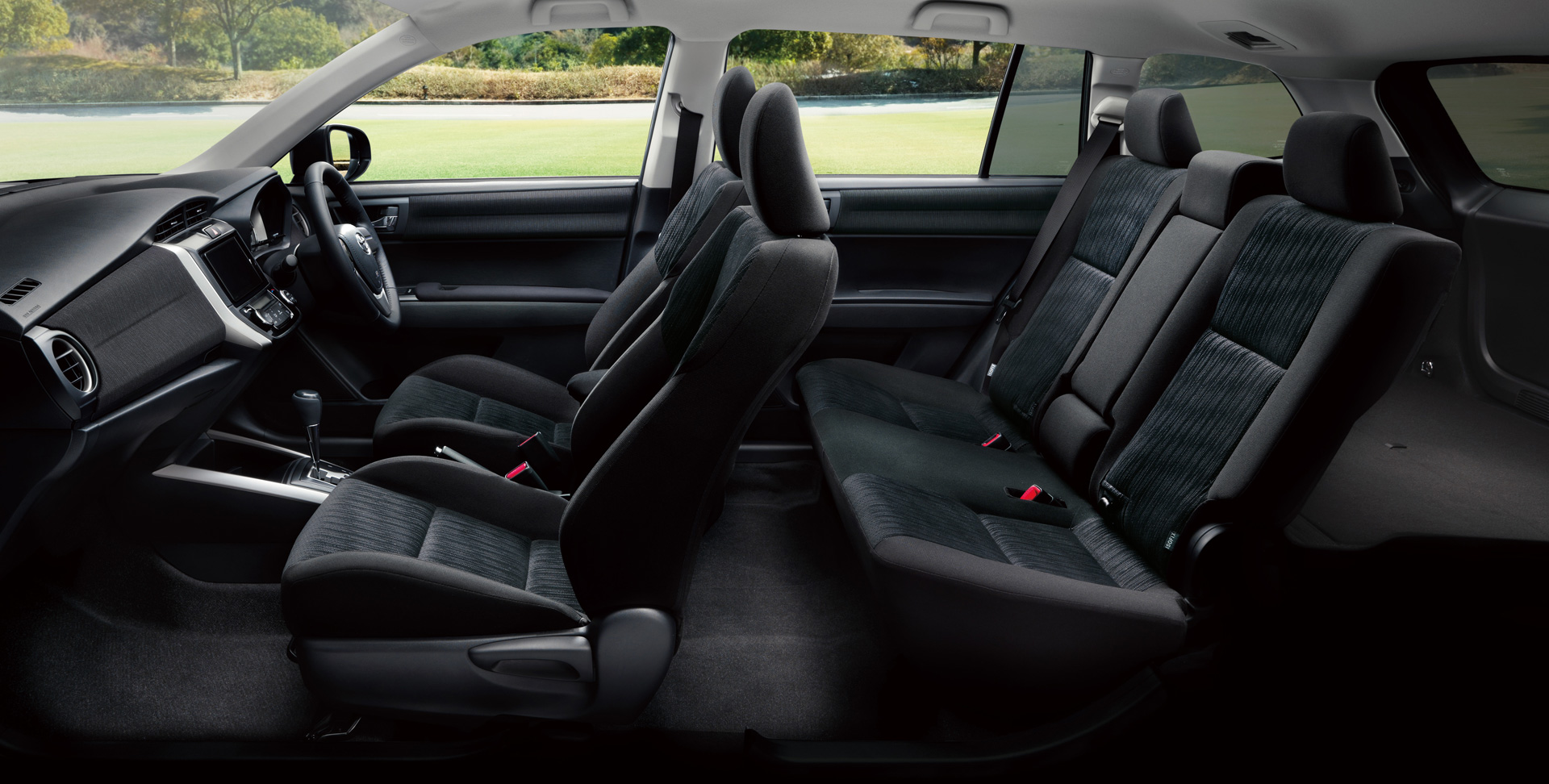
Front seats offer decent support for longer drives, and rear legroom matches the Axio thanks to the shared wheelbase. The taller roofline gives rear passengers noticeably more headroom than the sedan, which matters for taller adults or child seats with headrests.
How Practical Is the Toyota Fielder?
How Practical Is the Toyota Fielder?
- Boot space: roughly 460-470 litres with the rear seats up, expanding to a genuinely large flat load area once the standard one-touch rear seats are folded
- Seat folding: 60:40 split, one-touch double-folding rear seats, standard across the range since launch
- Storage: multiple cabin compartments and cup holders, plus underfloor storage in the boot
- Family usability: the low loading lip and wide tailgate opening make it easier to load prams, shopping, or sports equipment than in the Axio
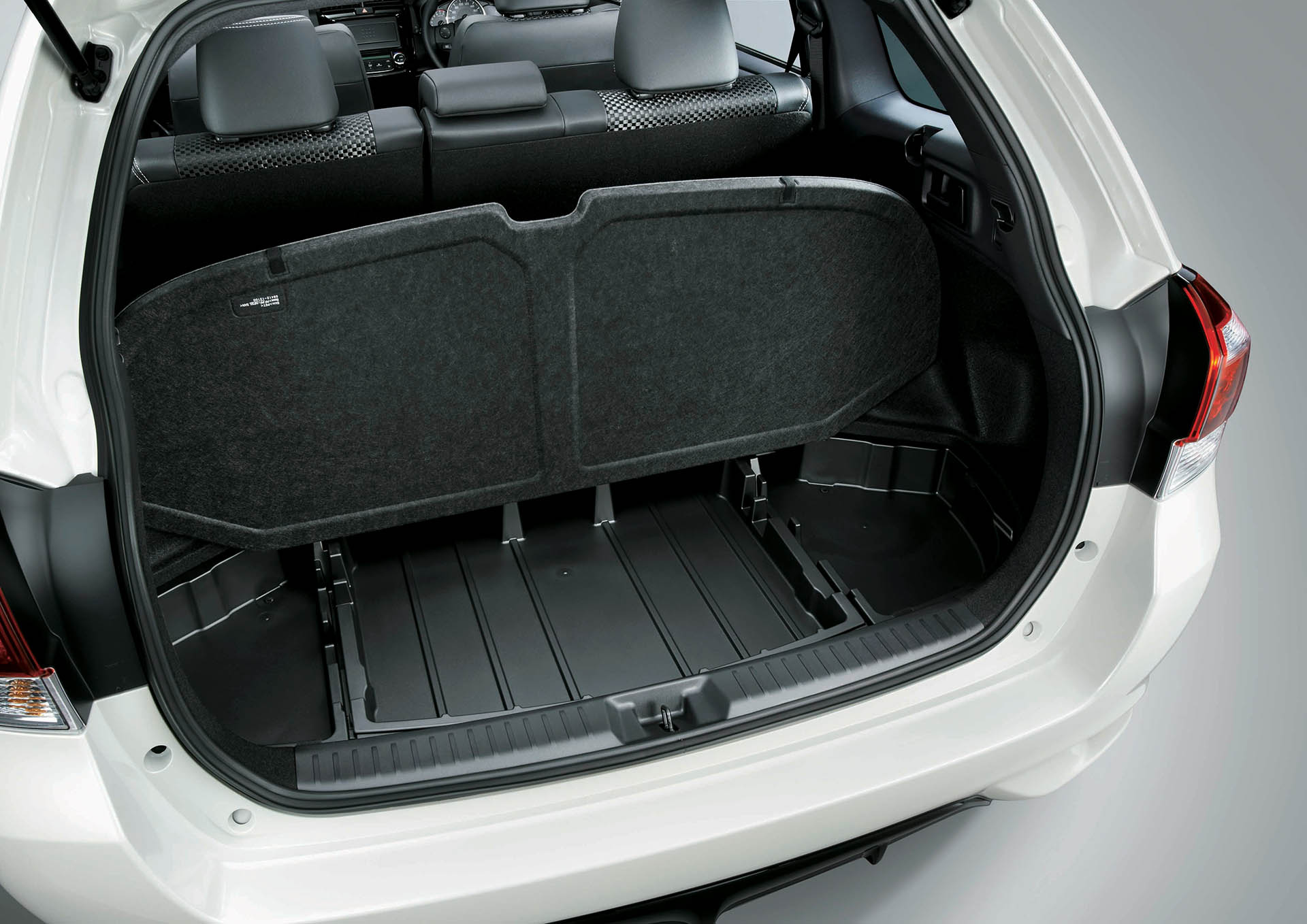
This is where the Fielder earns its keep over the Axio. For families, tradespeople, or anyone who regularly carries bulky items, the wagon body solves the sedan’s biggest practical limitation without a significant increase in footprint.
Is the Toyota Fielder Easy to Drive Every Day?
Despite the longer roofline, the Fielder drives much like the Axio in traffic: light steering, good outward visibility, and a compact enough footprint for most Nairobi parking spaces. Rear visibility is slightly reduced by the wagon’s thicker D-pillars, so a reversing camera is worth prioritising on higher trims.
Technology & Infotainment
What Technology Does the Toyota Fielder Come With?
Entry-level cars keep things basic, with a simple audio head unit and manual air conditioning. Higher trims add a touchscreen navigation and infotainment system, while hybrid models get the same 4.2-inch TFT (thin-film transistor) instrument display used in the Axio hybrid, showing energy flow and driving efficiency.
What About Apple CarPlay and Android Auto?
Factory-fitted smartphone mirroring was not standard on Japanese-market Axio units of this generation. Many Kenyan-registered cars have had an aftermarket head unit fitted locally to add Apple CarPlay and Android Auto, so check exactly what is installed and whether it was professionally wired before buying.
Engine & Performance
What Engine Options Are Available?
Unlike the Axio, the Fielder was never offered with the smaller 1.3-litre engine. Its range starts at 1.5 litres and includes 4WD versions of both petrol engines, all paired with Toyota’s Super CVT-i, a continuously variable transmission that changes ratio smoothly rather than shifting through fixed gears.
| Engine | Power & Torque | Fuel Economy* | Best Use |
|---|---|---|---|
| 1.5L 1NZ-FE (2WD) | ~109 hp | 141 Nm | 18.0 km/L | Balanced economy, most popular choice |
| 1.5L 1NZ-FE (4WD) | ~105 hp | 141 Nm | 15.0 km/L | Upcountry driving, extra traction |
| 1.8L 2ZR-FE (2WD) | ~136 hp | 173 Nm | 16.8 km/L | Highway driving, added performance |
| 1.8L 2ZR-FE (4WD) | ~125 hp | 173 Nm | 14.4 km/L | Load-carrying with extra traction |
| Hybrid 1.5L + Motor (2WD) | ~100 hp combined | ~28-30 km/L | Nairobi traffic, lowest running costs |
*Manufacturer figures for the Japanese-market Corolla Fielder under the JC08 test cycle, as certified by Japan’s Ministry of Land, Infrastructure, Transport and Tourism (MLIT). Treat these as a ceiling rather than what Kenyan driving conditions will deliver; the hybrid figure in particular varies by source and model year.
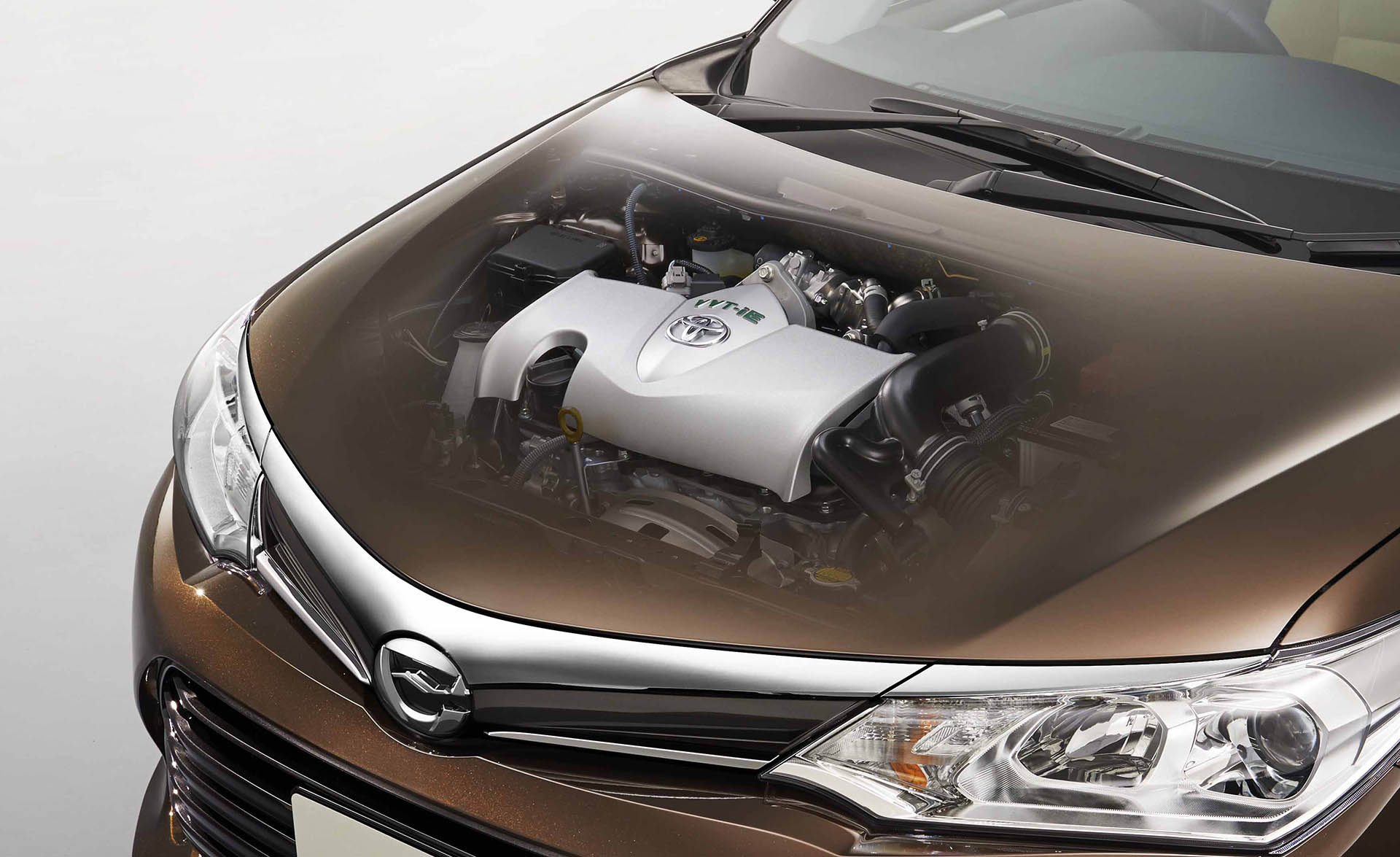
How Powerful Is the Toyota Fielder?
For everyday driving in Kenya, the answer depends heavily on which engine you choose.
The 1.5-litre engine provides a useful balance between performance and economy. It is capable of normal city driving, highway cruising and overtaking, provided the driver anticipates traffic conditions appropriately.
The 1.8-litre engine provides additional performance and is better suited to drivers who spend more time on highways. It generates a maximum power of 134 hp, providing sufficient capability for confident overtaking, though not necessarily for more spirited driving.
Power outputs mirror the Toyota Axio’s, though 4WD versions lose a small amount of power and fuel economy to the extra drivetrain hardware. The 1.5L 2WD is the most popular choice in Kenya, offering enough performance for city and highway driving without the fuel and purchase-price penalty of the 1.8L.
Is the Toyota Fielder Fast Enough?
For daily commuting and highway cruising, yes. The 1.5L and 1.8L variants have enough mid-range pull for overtaking on single-carriageway roads, while the hybrid’s electric motor adds useful low-speed torque. Loaded with passengers and cargo, the Fielder feels marginally less eager than the Axio simply because it carries more weight.
Can the Toyota Fielder Tow or Carry Heavy Loads?
The Fielder is not rated or marketed for towing, and Toyota does not publish payload or towing figures for it in this market. Its real utility lies in cargo volume rather than payload capacity: it is best treated as a load-space-flexible passenger car for up to five occupants, not a towing vehicle.
Driving Experience
How Does the Toyota Fielder Drive?
The Fielder’s driving character closely tracks the Axio’s: light, comfortable, and easy, with the CVT doing most of the work smoothing out power delivery. The extra weight over the rear axle is noticeable mainly when cornering briskly or carrying a full load, where the Axio feels marginally tidier.
How Does It Perform in City Traffic?
The Fielder handles Nairobi traffic with the same light controls and tight turning circle as the Axio, and the wagon’s added rear visibility limitations are a minor trade-off for the extra practicality. The hybrid variant again shines in stop-start traffic, with the electric motor assisting acceleration and reducing fuel use during heavy congestion.
Is It Comfortable on the Highway?
The Fielder cruises stably on Kenyan highways, with the 1.5L and 1.8L engines providing sufficient power for safe overtaking. Cabin refinement is close to the Axio’s, though the larger rear glass area can let in slightly more road noise at speed on some units.
Can It Handle Rough Roads or Off-Road Driving?
Standard 2WD Fielders are not built for serious off-road use, sharing the same road-focused suspension and modest ground clearance of 160mm. The optional 4WD system improves traction on gravel, mud, and wet murram considerably, but this is still a compact wagon, not a crossover, and should not be pushed into deep ruts or sand.
How Does It Ride and Handle?
- Steering: light and precise at low speed
- Suspension: comfort-biased, though it firms up noticeably with a full load, given the extra weight over the rear
- Braking: ABS-equipped with predictable pedal feel
- Body control: composed on smooth roads; the taller body shows slightly more lean in corners than the Axio
Fuel Economy
How Fuel-Efficient Is the Toyota Fielder?
Fuel economy remains a strong selling point, though the Fielder trails the Axio slightly across every engine because of its added weight. Official JC08 figures range from around 14.4 km/L on the 1.8L 4WD to roughly 28-30 km/L on the hybrid, measured under Japan’s test cycle rather than Kenyan traffic and road conditions.
What’s the Real-World Fuel Economy?
- 1.5L 2WD CVT: 14-18 km/L in mixed driving, per owner and dealer reports
- 1.5L 4WD CVT: 12-15 km/L, reflecting the extra drivetrain weight
- 1.8L CVT: 12-15 km/L combined
- Hybrid: 18-24 km/L in real-world Kenyan driving, with the electric motor handling much of the load in stop-and-go traffic
These are figures consistently reported by Kenyan Fielder owners and dealers rather than a single controlled test, so expect some variation depending on driving style, traffic, load, and vehicle condition.
How Much Will It Cost to Fuel?
At current pump prices, a Nairobi commuter covering around 300 km a week in a 1.5L Fielder, averaging 15 km/L in mixed traffic, would use roughly 20 litres a week. Multiply by the current petrol price at your usual station to estimate weekly, monthly, and annual fuel costs, since prices are reviewed periodically by the Energy and Petroleum Regulatory Authority (EPRA).
Fuel cost = Distance travelled ÷ Fuel economy × Price per litre
Safety
Is the Toyota Fielder Safe?
The Fielder shares its safety architecture with the Axio, offering a reasonable spread of passive protection for its class and era. Provision varies significantly by trim and model year, so it is worth checking exactly what a specific used unit has fitted before buying.
What Safety Technology Does It Have?
- Airbags: Driver, passenger, and side protection on most trims
- ABS: Anti-lock Braking System (ABS) with Electronic Brakeforce Distribution (EBD)
- Stability control: Vehicle Stability Control (VSC) and Traction Control (TRC)
- Seatbelts: Three-point belts with pretensioners
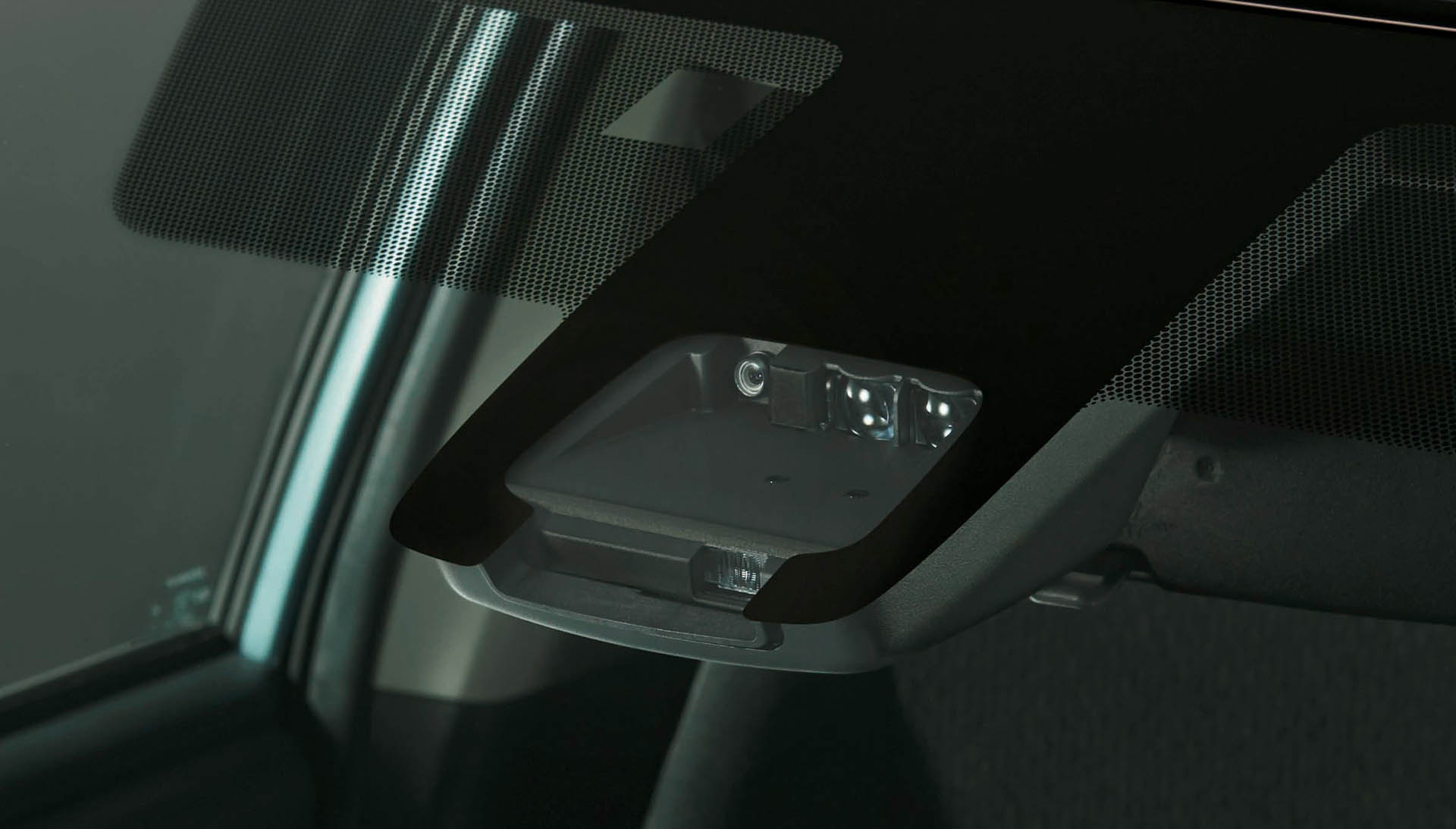
Higher trims add Toyota’s Pre-Collision System (PCS), a form of radar-based collision-avoidance technology, along with radar cruise control that maintains following distance, Lane Departure Alert (LDA), a reversing camera, and Automatic High Beam (AHB) for improved night visibility. These features are worth prioritising if you can find them within budget.
CN Buyer’s Note
A practical safety note: like the Axio, the Fielder is reportedly one of the more frequently stolen vehicle models in Kenya, largely because of its popularity and parts value. Buyers should factor in a tracking device and a comprehensive insurance policy, and should verify a car’s logbook and chassis number carefully before purchase.
Trim Levels
Which Trim Should You Buy?
X (entry-level): power steering and windows, air conditioning, a basic audio system, and keyless entry, available with the 1.5L engine in 2WD or 4WD. Best for buyers on a tight budget who want a reliable, load-carrying commuter car.
G / EX (mid-spec): adds a touchscreen navigation and infotainment system, improved audio, and better trim finishes. This tier offers the best balance of features and price for most Kenyan buyers.
S (1.8L performance-focused): pairs the larger 1.8-litre engine with automatic transmission only, in 2WD or 4WD, aimed at buyers who want more highway performance from a wagon body.
WxB and hybrid (top-spec): bring 15 or 16-inch alloy wheels, LED headlights, the Pre-Collision System, radar cruise control, and, on hybrids, the TFT display. Recommended for buyers prioritising fuel economy and safety technology over purchase price.
Technical Specifications
| Specification | Detail |
|---|---|
| Engine | 1.5L 1NZ-FE / 1.8L 2ZR-FE / 1.5L Hybrid (1NZ-FXE) |
| Engine Type | In-line 4-cylinder, DOHC |
| Power | 100-136 hp (100 hp combined on hybrid), lower on 4WD variants |
| Torque | 141-173 Nm |
| Fuel Tank Capacity | 36-42 litres |
| Transmission | Super CVT-i (continuously variable) |
| Drive Type | Front-wheel drive; four-wheel drive available on 1.5L and 1.8L petrol |
| Top Speed | 180 km/h |
| Tyre Size | 175/70R14 (varies by trim and wheel size) |
| Front Suspension | McPherson Strut Coil Springs |
| Rear Suspension | Torsion Beam with Coil Springs |
| Front Brakes | Ventilated Disc |
| Rear Brakes | Drum |
Ownership Costs
How Much Does the Toyota Fielder Cost in Kenya?
- Used 1.5L petrol (2015-2018): KSh 1.0-1.8 million
- Used Hybrid (2015-2018): KSh 1.4-2.5 million
- Newer units, including WxB and hybrid (2019+): KSh 1.8-3.2 million
Because Toyota ended Fielder production in October 2025, new showroom units are no longer available, and the Kenyan market now runs on used imports and locally registered second-hand cars. Prices above reflect the used market rather than a manufacturer price list. Expect to pay roughly KSh 150,000-250,000 more for a 4WD unit over an equivalent 2WD model.
How Much Does It Cost to Own?
Service intervals: basic service (oil, filter, and fluid checks) every 5,000 km, costing roughly KSh 8,000-15,000; a major service including brake inspection and tyre rotation every 10,000 km, costing roughly KSh 15,000-25,000; a comprehensive suspension and steering inspection every 15,000 km; and a major service with air filter replacement and transmission service every 30,000 km.
Is the Toyota Fielder Reliable?
Kenyan owners consistently report few mechanical issues, and the 1NZ-FE and 2ZR-FE engines carry the same strong reputation for durability as they do in the Axio. As with the Axio, the CVT is the component that needs the most attention: regular fluid changes, roughly every 40,000 km, help prevent transmission problems later on. 4WD units add a rear differential and transfer case that should be checked for fluid condition and leaks during inspection.
Is It Expensive to Maintain?
No. Genuine and aftermarket parts are widely available in Nairobi and other major towns, keeping repair costs down relative to less common imports. The most commonly reported issue outside routine servicing is occasional air conditioning compressor failure on older units, the same pattern seen across the E160 range.
Affordability should not be confused with neglect tolerance, though. A used Fielder with an incomplete service history, particularly around CVT fluid changes, can quickly become expensive if routine maintenance has been ignored.
Competitors
Who Are the Challengers?
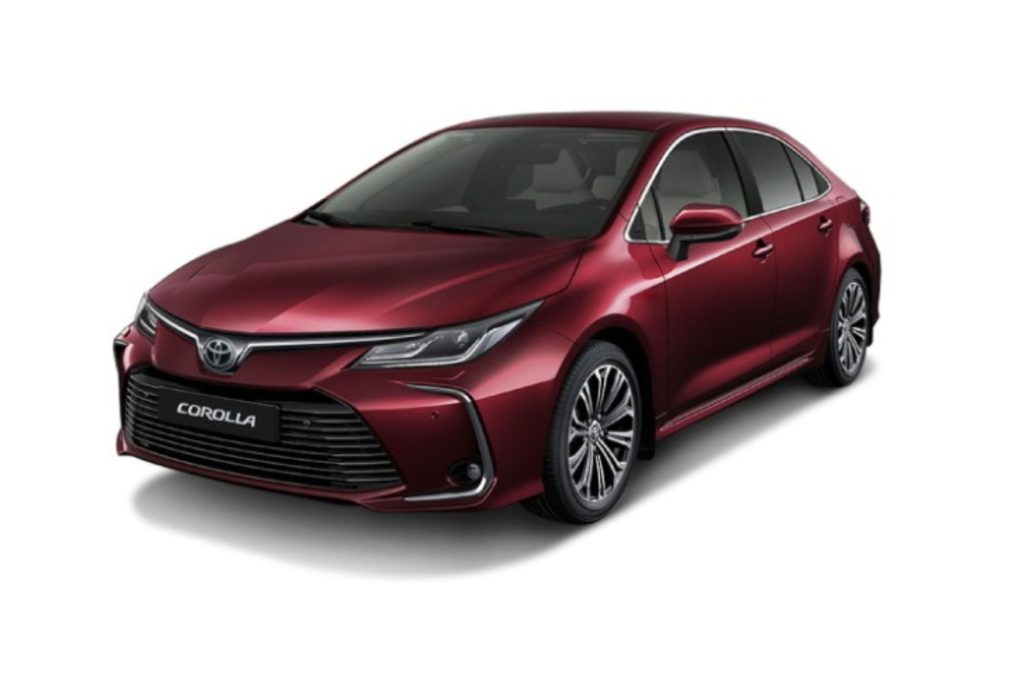
Toyota Axio: its own sedan sibling, sharing the same engines and mechanicals but with a smaller boot and easier parking; the natural cross-shop for buyers unsure whether they need wagon practicality.
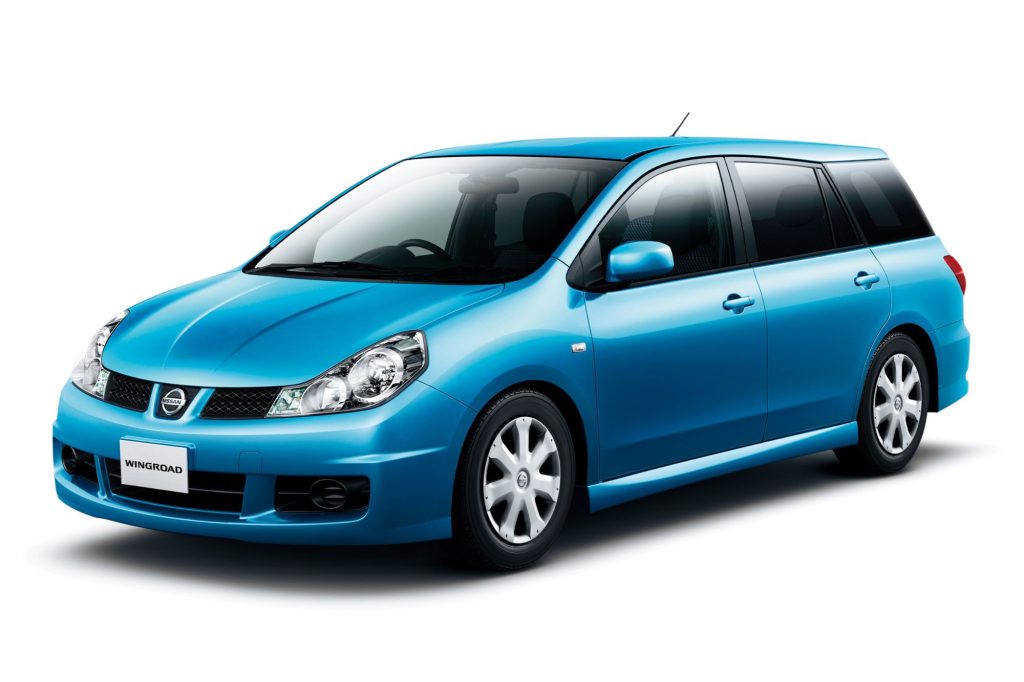
Nissan Wingroad: a similarly practical Japanese wagon with a strong reliability reputation, though parts availability in Kenya is narrower than Toyota’s.
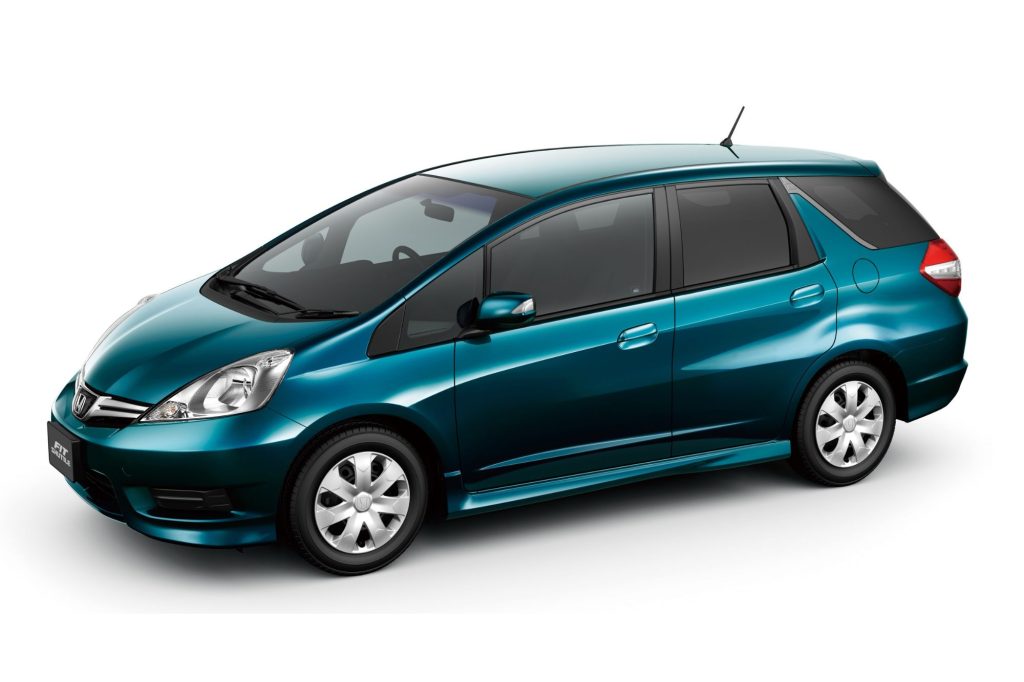
Honda Fit Shuttle: offers hatchback-style flexibility in a wagon body, with Honda’s typically efficient engines, but a smaller dealer and parts network locally.
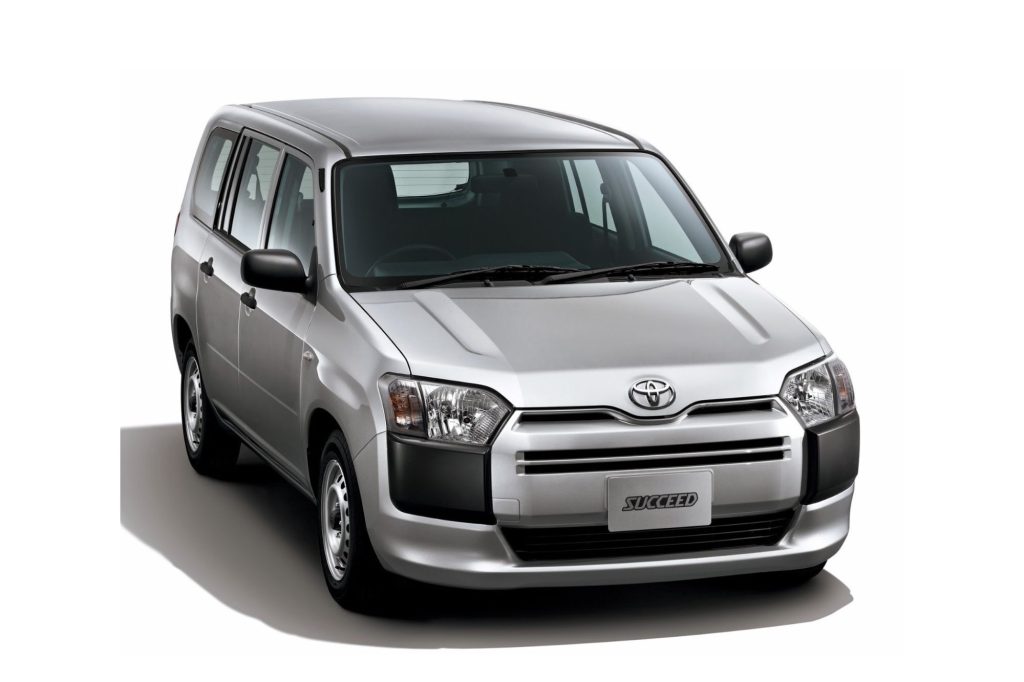
Toyota Succeed: a more utilitarian, van-based cousin with an even larger, boxier load area, aimed at buyers prioritising cargo volume over passenger comfort.
Which Is Better?
For buyers who prioritise parts availability, resale value, and dealer support above all else, the Fielder and Axio remain the safer choices, with the decision largely coming down to how much cargo space you actually need. For buyers who need maximum load volume above all else, the Toyota Succeed is worth cross-shopping against the Fielder. Let us know in the comments or on the CarTalk KE Forum which one you would choose.
Who Should Buy It?
Is the Toyota Fielder Right for You?
- Families who need more boot space than the Axio offers, for prams, sports gear, or luggage
- Business owners and tradespeople who regularly carry equipment or stock
- Buyers who travel upcountry often and want the option of 4WD without stepping up to an SUV
- Fleet operators who value predictable running costs and parts availability
Who should look elsewhere: buyers who mainly drive in town and rarely carry bulky cargo may find the Axio easier to park and slightly cheaper to run, while those who need genuine off-road capability should look at a body-on-frame SUV instead.
Pros & Cons
| ✅ Pros | ❌ Cons |
|---|---|
| Significantly larger, more versatile boot than the Axio | No 1.3L option, so entry prices sit a little higher than the Axio’s |
| Standard one-touch, double-fold rear seats | Slightly lower fuel economy than the Axio across every engine |
| Optional 4WD for upcountry and rural driving | Bulkier to park than the Axio sedan |
| Proven Toyota mechanical reliability | Ride firms up noticeably with a full load |
| Low maintenance costs with widely available parts | Reportedly a frequent target for vehicle theft in Kenya |
| Strong resale value in Kenya’s used market | Ground clearance still modest for serious rural roads without 4WD |
CN Verdict
Is the Toyota Fielder Worth Buying?
Yes, particularly for buyers who have outgrown the Axio’s boot or who regularly drive upcountry and want the reassurance of an optional 4WD system. The Fielder’s biggest strengths are its practicality, standard fold-flat seating, and the same dependable engineering that makes the Axio popular. Its biggest weaknesses are a slightly higher entry price, marginally worse fuel economy, and the same theft risk that affects the wider E160 range.
Overall, the Fielder delivers strong value for buyers who genuinely need the extra cargo space, and the hybrid variant is worth the premium for anyone prioritising fuel economy in Nairobi traffic. For buyers who rarely carry bulky loads, the Axio remains the simpler, slightly cheaper choice.
CN Rating
| Category | Score |
|---|---|
| Exterior Design | 6/10 |
| Interior & Comfort | 6/10 |
| Practicality | 9/10 |
| Technology | 6/10 |
| Performance | 7/10 |
| Fuel Economy | 8/10 |
| Safety | 7/10 |
| Ownership Costs | 9/10 |
| Value for Money | 9/10 |
| Overall Rating | 7/10 |
Editorial Award
⭐ Highly Recommended – An excellent vehicle for its intended buyer, with only minor compromises against newer or larger alternatives.






No Comment! Be the first one.