








Why Regular Car Maintenance Saves You Money in Kenya
In this guide, CarNews KE explains why routine maintenance matters, how it protects your investment, and how a proper maintenance schedule can save you thousands of shillings every year.

CN Quick Facts
- How regular vehicle maintenance reduces ownership costs and improves reliability.
- Routine servicing helps prevent expensive repairs, improves fuel economy, and extends vehicle lifespan.
- Driving conditions in Kenya, which include heavy traffic congestion, dust, high temperatures, and rough roads, make preventive maintenance particularly important.
- The cost of regular servicing is almost always lower than the cost of repairing major mechanical failures.
Don’t Skip the Service
Many motorists view vehicle servicing as an unavoidable expense. When a car appears to be running normally, it can be tempting to postpone an oil change, ignore a dashboard warning light, or delay a scheduled service to save money. Unfortunately, what seems like a saving today can become a much larger expense tomorrow.
What's in this Article
- Don’t Skip the Service
- Why Do Many Motorists Skip Vehicle Servicing?
- What Happens When You Skip Regular Servicing?
- What Are the Benefits of Regular Car Maintenance?
- How Often Should You Service Your Car?
- What Does a Typical Service Schedule Look Like?
- What Maintenance Items Should Every Motorist Monitor?
- Beyond the Basics: Additional Maintenance Tips for Kenyan Drivers
- Conclusion
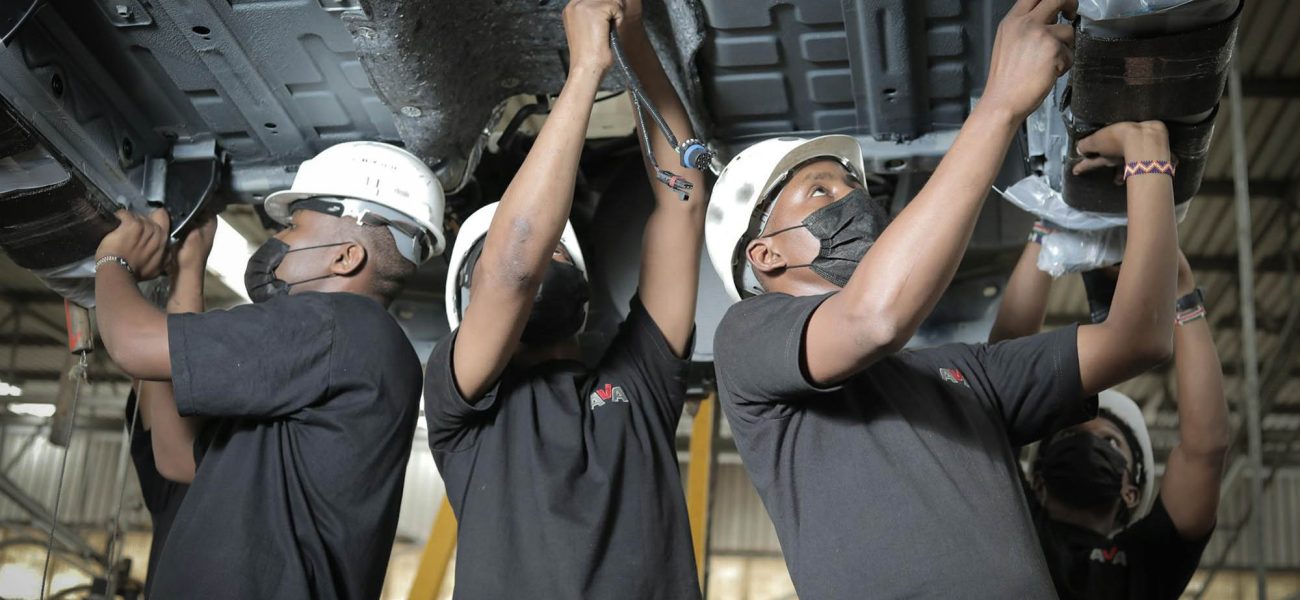
A missed service can lead to engine damage, increased fuel consumption, unexpected breakdowns, and expensive repairs that could have been prevented through routine maintenance. In Kenya, where vehicles often face heavy traffic, dusty roads, rough surfaces, and long-distance travel, regular maintenance is even more important.
The reality is simple: servicing your vehicle regularly is one of the most effective ways to reduce long-term ownership costs.
In this guide, CarNews KE explains why routine maintenance matters, how it protects your investment, and how a proper maintenance schedule can save you thousands of shillings every year.
Why Do Many Motorists Skip Vehicle Servicing?
Vehicle maintenance is often delayed for several reasons:
- Cost concerns
- Busy schedules
- Lack of awareness
- Assuming the vehicle is “still running fine”
However, many mechanical problems develop gradually and show few symptoms in their early stages. By the time a noticeable issue appears, repairs are often more expensive than they would have been during routine maintenance.
What Happens When You Skip Regular Servicing?
Minor Problems Become Major Repairs
One of the biggest risks of neglecting maintenance is allowing small issues to develop into major failures.
Examples include:
- Low engine oil causing premature engine wear
- Worn brake pads damaging brake discs
- Dirty air filters reducing engine efficiency
- Coolant leaks leading to overheating
Real-World Example
Replacing brake pads may cost significantly less than replacing both brake pads and damaged brake discs. Addressing problems early is usually the most affordable option.
Fuel Consumption Increases
A poorly maintained engine consumes more fuel.
Common causes include:
- Dirty air filters
- Worn spark plugs
- Old engine oil
- Clogged fuel injectors
- Low tyre pressure
These issues force the engine to work harder, reducing fuel efficiency.
CN Fuel Budget Impact
A vehicle that loses just 1 km/L in fuel efficiency could cost a driver thousands of shillings annually in additional fuel expenses.
Regular servicing helps maintain optimal fuel economy.
Increased Risk of Breakdowns
Vehicle breakdowns rarely happen at a convenient time. A neglected battery, worn belt, or failing cooling system can leave motorists stranded on the roadside.
Unexpected breakdowns may lead to:
- Towing charges
- Emergency repairs
- Missed appointments
- Lost business opportunities
Preventive maintenance significantly reduces these risks.
Reduced Safety
Regular servicing is also a safety issue.
Critical components that require inspection include:
- Brakes
- Tyres
- Suspension
- Steering systems
- Lights
- Wipers
Neglecting these systems can increase the risk of accidents, especially during long journeys or adverse weather conditions.
Lower Resale Value
Service history is one of the first things many buyers ask about when purchasing a used vehicle.
A vehicle with:
✔ Complete maintenance records
✔ Regular servicing
✔ Genuine parts
✔ Professional repairs
typically commands a higher resale value.
CN Buyer’s Note
A well-documented service history can significantly improve buyer confidence and may increase a vehicle’s resale value.
What Are the Benefits of Regular Car Maintenance?
Regular servicing offers benefits that extend far beyond preventing breakdowns.
Improved Reliability
A properly maintained vehicle is more dependable for:
- Daily commuting
- Family travel
- Business use
- Long-distance road trips
Drivers enjoy greater confidence knowing their vehicle is less likely to develop unexpected problems.
Longer Vehicle Lifespan
Routine maintenance helps reduce wear and tear on critical components.
This can extend the life of:
- The engine
- Transmission
- Suspension
- Cooling system
- Braking system
Many vehicles in Kenya comfortably exceed 250,000 km when properly maintained.
Better Performance
Regular servicing helps maintain:
- Smooth acceleration
- Responsive braking
- Improved fuel economy
- Comfortable ride quality
A healthy vehicle simply performs better.
Reduced Emissions
A well-maintained engine burns fuel more efficiently and produces fewer harmful emissions.
This benefits both the environment and overall engine health.
How Often Should You Service Your Car?
The best maintenance schedule is always the one recommended by the vehicle manufacturer.
However, service intervals may vary depending on:
- Vehicle age
- Driving habits
- Road conditions
- Climate
- Vehicle type
Kenyan motorists who frequently drive on dusty roads or in heavy traffic may require more frequent servicing.
————— Advertisement —————

What Does a Typical Service Schedule Look Like?
Minor Service (Every 5,000 – 10,000 km)
A minor service typically includes:
- Engine oil replacement
- Oil filter replacement
- Air filter inspection
- Fluid level checks
- General safety inspection
Major Service (Every 20,000 – 40,000 km)
A major service builds upon a minor service and may include:
- Spark plug replacement
- Fuel filter replacement
- Brake fluid replacement
- Transmission inspection
- Suspension inspection
- Comprehensive vehicle checks
Long-Term Maintenance Items
Some components require replacement at longer intervals.
Examples include:
- Timing belts
- Water pumps
- Coolant
- Transmission fluid
- Differential oils
Always consult the owner’s manual for specific recommendations.
What Maintenance Items Should Every Motorist Monitor?
- Oil Change and Filter Replacement: Every 5,000 to 10,000 kilometres, depending on your car and oil type. Regular oil changes keep your engine running smoothly. It entails replacing both the oil filter and the oil itself. Engine oil lubricates moving parts, reduces friction, and helps keep the engine cool.
- Air Filter Replacement: Every 10,000 to 15,000 kilometres. A clean air filter ensures proper air intake for combustion, improving fuel efficiency and engine performance. This is particularly important in Kenya’s dusty conditions.
- Cabin Air Filter Replacement: Every 15,000 to 20,000 kilometres. The cabin air filter keeps the air inside your car clean, preventing dust and pollutants from entering the cabin.
- Spark Plug Replacement: Every 50,000 to 100,000 kilometres, depending on the spark plug type. Spark plugs ignite the fuel-air mixture in your engine. Worn-out plugs can affect performance and fuel efficiency.
- Fuel System Cleaning: Every 30,000 to 50,000 kilometres (consider this as an optional service). Cleaning the fuel system improves fuel flow, combustion efficiency, and overall engine health.
- Brake Pad and Rotor Inspection: Every 20,000 kilometres or when braking performance feels compromised. Properly functioning brakes are crucial for your safety. Inspect pads, discs/rotors, and fluid regularly.
- Tyre Rotation and Balancing: Every 5,000 to 10,000 kilometres. Even tyre wear extends tyre life and ensures better handling. Regularly checking tire pressure, alignment, and tread depth ensures safe driving, improves fuel efficiency, and extends tyre life.
- Full Vehicle Inspection: Every 12 months or 20,000 kilometres, whichever comes first. A thorough inspection covers everything from fluids and belts to lights and suspension.
- Battery Inspection: A well-maintained battery ensures reliable starting and operation of electrical systems. Regular checks and maintenance, such as cleaning terminals and ensuring proper charge, can prevent unexpected battery failures.
Beyond the Basics: Additional Maintenance Tips for Kenyan Drivers
For Kenyan drivers, here are some additional tips:
- Keep a Service Log: Maintain a record of your car’s service history, including service dates, mileage, and work performed. This record is valuable for future reference and can help mechanics diagnose potential issues.
- Find a Reputable Mechanic: Build a trusting relationship with a qualified mechanic who understands your car and servicing needs. Choose a mechanic with a good reputation and positive online reviews.
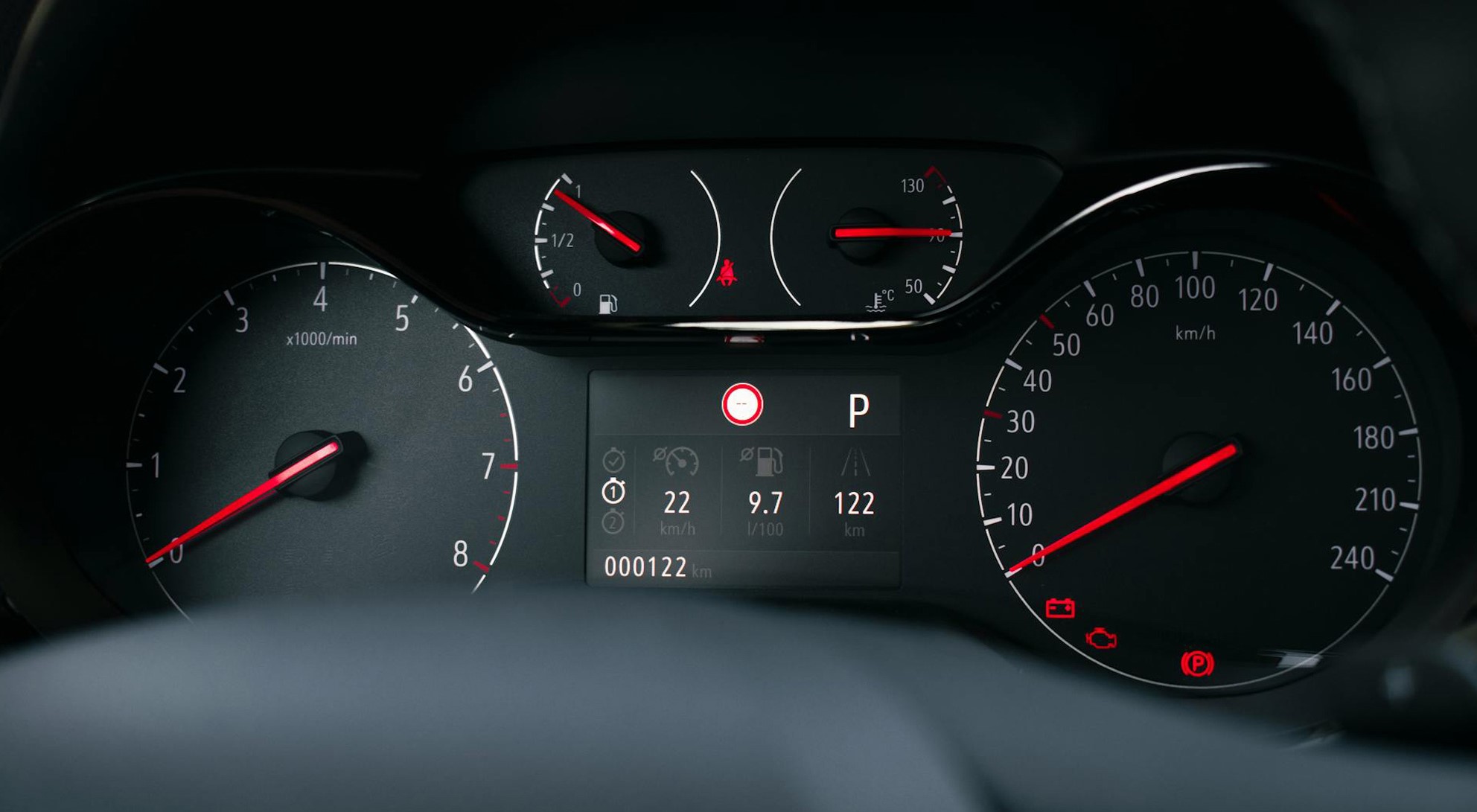
- Don’t Ignore Warning Lights: Your car’s dashboard warning lights are crucial indicators of potential problems. Don’t ignore them! Address illuminated warning lights promptly to avoid further issues.
Common warnings include:
- Check engine light
- Oil pressure warning
- Battery warning
- Brake system warning
- Temperature warning
- DIY Maintenance: Some maintenance tasks, such as checking tyre pressure, fluid levels, and battery terminals, can be done by the car owner. Learning basic DIY maintenance can save you money and keep your car in good condition between professional services.
CN Key Takeaways
✔ Regular maintenance prevents small problems from becoming major repairs.
✔ Servicing helps improve fuel economy and reduce operating costs.
✔ Proper maintenance extends vehicle lifespan.
✔ Well-maintained vehicles are safer and more reliable.
✔ Service history can increase resale value.
✔ Dashboard warning lights should never be ignored.
✔ Skipping a single service might not harm your car, but neglecting maintenance increases wear and costly repairs.
✔ Preventive maintenance is one of the smartest investments a motorist can make.
Conclusion
Regular car maintenance is not an unnecessary expense; it is an investment in your vehicle’s reliability, safety, and long-term value.
While skipping scheduled services may save you money in the short term, it can lead to higher repair costs, increased fuel consumption, reduced reliability, and a lower resale value. By adhering to your manufacturer’s maintenance schedule, addressing issues promptly, and working with a trusted mechanic, you can significantly reduce the overall cost of vehicle ownership.
A well-maintained car provides its owner with better performance, improved fuel economy, fewer breakdowns, and greater peace of mind. In the long run, regular servicing doesn’t cost money; it saves money.
Continue Reading on CarNews KE







No Comment! Be the first one.