







The True Cost of Car Ownership in Kenya
In this guide, CarNews KE breaks down every major cost associated with owning a vehicle in Kenya.

CN Quick Facts
- The purchase price is often only a fraction of what a vehicle costs over its lifetime.
- Rising fuel prices, insurance premiums, urban parking fees, and maintenance costs can significantly impact ownership expenses.
- Before buying a vehicle, calculate the total cost of ownership, not just the purchase price.
Beyond the Price Tag
For many Kenyans, owning a car represents freedom, convenience, and independence. It eliminates the hassle of public transport, makes family travel easier, and opens up new opportunities for work and leisure. However, buying a vehicle is only the beginning of the financial journey.
What's in this Article
- Beyond the Price Tag
- What Is the True Cost of Car Ownership?
- How Much Does It Cost to Buy a Car in Kenya?
- What Taxes and Duties Apply to Imported Vehicles?
- Registration and Compliance Costs
- What Are the Biggest Recurring Ownership Costs?
- What Unexpected Costs Should Motorists Expect?
- How Can You Reduce Car Ownership Costs?
- Real-World Example: Annual Ownership Cost Estimate
- Conclusion
Many first-time car buyers focus solely on the purchase price and overlook the ongoing expenses that come with ownership. Fuel, insurance, maintenance, parking, depreciation, financing costs, and unexpected repairs can collectively cost hundreds of thousands of shillings every year.
Whether you’re considering your first vehicle or upgrading to a newer model, understanding the true cost of car ownership can help you make smarter financial decisions and avoid unpleasant surprises.
In this guide, CarNews KE breaks down every major cost associated with owning a vehicle in Kenya.
What Is the True Cost of Car Ownership?
The true cost of car ownership refers to every expense incurred from the day you purchase a vehicle until the day you sell it.
These costs include:
- Vehicle purchase price
- Taxes and duties
- Fuel
- Insurance
- Maintenance and repairs
- Financing costs
- Parking
- Depreciation
- Licensing and compliance fees
- Unexpected expenses
Understanding these costs allows motorists to budget effectively and choose vehicles that match their financial circumstances.
How Much Does It Cost to Buy a Car in Kenya?
Vehicle Purchase Price
The purchase price is the most obvious ownership cost.
The amount varies depending on:
- Make and model
- Vehicle age
- Condition
- Mileage
- Features and specifications
Example
A new Toyota Corolla may cost between KSh 3 million and KSh 4 million. In contrast, a five-year-old imported Corolla may cost between KSh 1.5 million and KSh 2.3 million, depending on condition and specification.
While used vehicles offer lower entry costs, they may require more maintenance and repairs over time.
What Taxes and Duties Apply to Imported Vehicles?
Kenya imposes several taxes on imported vehicles.
These include:
- Import Duty
- Excise Duty
- Value Added Tax (VAT)
- Import Declaration Fee (IDF)
- Railway Development Levy (RDL)
Combined, these taxes can significantly increase the final cost of a vehicle.
CN Explained
Many imported vehicles cost substantially more after taxes and clearing charges are added. Buyers should always calculate the landed cost before committing to an import purchase.
Registration and Compliance Costs
Once a vehicle arrives in Kenya, it must be registered through the National Transport and Safety Authority (NTSA).
Associated costs may include:
- Registration fees
- Number plates
- Logbook processing
- Vehicle inspection, where applicable
While relatively small compared to the vehicle’s purchase price, these costs should still be factored into your budget.
What Are the Biggest Recurring Ownership Costs?
For most motorists, ongoing expenses often surpass the initial purchase price. These expenses include fuel costs, insurance, maintenance, depreciation, loan repayments, parking fees, and car washing and detailing.
How Much Will You Spend on Fuel?
Fuel is often the largest day-to-day ownership expense. The cost of fuel in Kenya fluctuates due to global oil prices and local taxation. Diesel and petrol prices vary, with diesel traditionally being cheaper but petrol offering better engine performance for certain car models. Check out current fuel prices in Kenya.
The amount you spend depends on:
- Distance travelled
- Fuel efficiency
- Fuel type
- Current pump prices
Example
A driver covering 1,250 km per month in a vehicle averaging 12 km/L would consume approximately 104 litres of fuel monthly. At a pump price of KSh 200 per litre, monthly fuel costs approximately KSh 21,000. For drivers covering longer distances, annual fuel expenses can easily exceed KSh 250,000.
How Much Does Car Insurance Cost in Kenya?
Insurance is a legal requirement for all vehicles on Kenyan roads. The cost of insurance depends on the type of coverage, the car’s value, and the driver’s profile.
Motorists typically choose between:
Third-Party Insurance
Provides basic legal coverage for damage or injury caused to other road users. Third-party only (TPO) insurance is significantly cheaper, ranging from KSh 7,500 to KSh 10,000.
Comprehensive Insurance
Offers broader protection, including:
- Theft
- Fire
- Accidental damage
- Natural disasters
- Third-party liability
In Kenya, comprehensive car insurance typically costs between 3.5% and 7.5% of the vehicle’s current market value annually, with a basic minimum premium starting at KSh 37,500 for most insurers.
Example
A mid-sized family car valued at KSh 2 million may attract comprehensive insurance premiums ranging between KSh 50,000 and KSh 120,000 annually, depending on the insurer and risk profile.
How Much Should You Budget for Maintenance?
Maintenance is often overlooked by first-time buyers. Regular car servicing saves you money and reduces the likelihood of expensive repairs.
Typical maintenance costs include:
- Engine oil changes
- Oil filters
- Air filters
- Brake servicing
- Suspension repairs
- Tyres
- Battery replacement
Example
Routine servicing for a mainstream Japanese vehicle may cost between KSh 10,000 and KSh 30,000 per service. Premium European vehicles often cost considerably more.
CN Buyer’s Note
The cheapest car to buy is not always the cheapest car to own.
Some vehicles have affordable purchase prices but expensive parts, poor fuel economy, or high maintenance requirements.

Why Is Depreciation a Hidden Cost?
Depreciation is the reduction in a vehicle’s value over time. New cars depreciate faster than used ones, with the highest depreciation occurring in the first few years of ownership. It is often the largest ownership expense, even though motorists rarely notice it immediately.
Example
A vehicle purchased for KSh 3 million may lose:
- 15–20% of its value during the first year
- 10–15% annually over the next few years
After five years, the vehicle could be worth significantly less than its original purchase price.
What If You Finance Your Vehicle With a Loan?
Vehicle financing allows buyers to spread costs over several years. However, financing increases the total ownership cost due to interest charges.
Typical Financing Costs
- Down payment
- Monthly instalments
- Interest payments
- Insurance requirements
Before signing a loan agreement, calculate the total amount payable over the loan term rather than focusing only on monthly repayments.
How Much Do Parking Costs Add Up?
Parking is a growing expense for urban motorists.
In cities such as Nairobi, motorists may pay for:
- Workplace parking
- Residential parking
- Shopping centre parking
- CBD parking
Example
A motorist paying KSh 300 daily for parking could spend more than KSh 6,000 monthly and over KSh 70,000 annually.
What About Car Washing and Detailing?
Keeping a vehicle clean protects its appearance and can help preserve resale value.
Regular expenses may include:
- Car washes
- Interior cleaning
- Waxing
- Detailing
- Paint protection
Depending on frequency and service quality, motorists may spend anywhere from KSh 2,000 to KSh 10,000 per month on vehicle cleaning.
What Unexpected Costs Should Motorists Expect?
No matter how carefully you budget, unexpected expenses are inevitable.
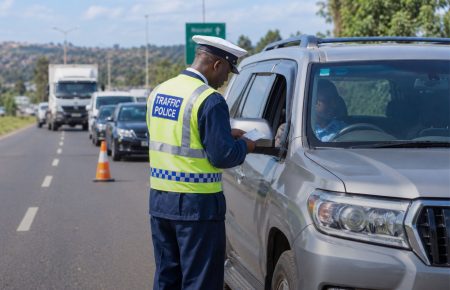
Traffic Fines
Violations such as:
- Speeding
- Illegal parking
- Driving without valid documentation
- Dangerous driving
can result in costly penalties.
Following traffic regulations remains the most effective way to avoid these expenses.
Accident Repairs
Even insured vehicles can generate out-of-pocket expenses.
Common costs include:
- Excess payments
- Uninsured damage
- Replacement accessories
- Vehicle recovery
A minor accident can cost thousands of shillings, while major repairs can cost substantially more.
Replacement Parts
All vehicles eventually require replacement components.
Common wear-and-tear items include:
- Tyres
- Batteries
- Brake pads
- Shock absorbers
- Clutch components
Costs vary widely depending on vehicle type and parts availability.
How Can You Reduce Car Ownership Costs?
Choose the Right Vehicle
Select a vehicle that matches your:
- Budget
- Driving needs
- Annual mileage
- Family requirements
Smaller, fuel-efficient vehicles generally cost less to operate.
Follow the Maintenance Schedule
Preventive maintenance is almost always cheaper than major repairs. Regular servicing helps identify issues before they become expensive problems.
Compare Insurance Providers
Insurance premiums vary significantly between companies. Obtaining multiple quotations can save substantial amounts annually.
Drive Efficiently
Avoid:
- Aggressive acceleration
- Excessive idling
- Harsh braking
Smooth driving improves fuel economy and reduces wear on components. Adhering to traffic laws and driving responsibly reduces the risk of fines and accidents.
Plan Your Trips
Combining errands and avoiding heavy traffic can reduce fuel consumption and save time.
Navigation apps can help identify efficient routes.
Consider Carpooling
Sharing transport costs with colleagues, friends, or family members can significantly reduce fuel and operating expenses.
Perform Basic DIY Maintenance
Simple tasks such as:
- Checking tyre pressure
- Replacing wiper blades
- Washing the vehicle
can reduce ownership costs.
However, major mechanical repairs should be left to qualified professionals.
Real-World Example: Annual Ownership Cost Estimate
Consider a family vehicle driven 15,000 km annually.
Estimated Annual Costs
| Expense | Estimated Cost |
|---|---|
| Fuel | KSh 250,000 |
| Insurance | KSh 80,000 |
| Maintenance | KSh 40,000 |
| Parking | KSh 70,000 |
| Car Wash & Detailing | KSh 40,000 |
| Miscellaneous | KSh 20,000 |
| Total | KSh 500,000 |
This example excludes depreciation and financing costs, which can increase ownership expenses substantially.
Frequently Asked Questions
For most motorists, fuel and depreciation are the largest long-term ownership costs.
Usually, yes. However, older vehicles may require more maintenance and repairs.
Most motorists should budget at least KSh 20,000–60,000 annually, depending on the vehicle’s age and condition.
Depreciation represents the value your vehicle loses over time and is often one of the largest hidden ownership costs.
Yes. Every vehicle on Kenyan roads must have at least third-party insurance.
CN Key Takeaways
✔ The purchase price is only one part of vehicle ownership.
✔ Fuel remains one of the largest recurring expenses for Kenyan motorists.
✔ Insurance, maintenance, parking, and depreciation significantly affect ownership costs.
✔ Financing can substantially increase the total amount paid for a vehicle.
✔ Preventive maintenance helps reduce long-term repair expenses.
✔ Choosing the right vehicle can save hundreds of thousands of shillings over its lifetime.
✔ Understanding total ownership costs leads to better financial decisions.
Conclusion
Owning a car in Kenya offers convenience, flexibility, and independence, but it also comes with significant financial responsibilities. The smartest buyers look beyond the showroom price and evaluate the complete ownership picture. Fuel costs, insurance, maintenance, parking, depreciation, financing, and unexpected repairs all contribute to the real cost of owning a vehicle.
Before making your next purchase, calculate the total cost of ownership and choose a vehicle that aligns with your budget and lifestyle. Doing so will help you enjoy the benefits of vehicle ownership without unnecessary financial strain.
CN Ownership Cost Formula
Estimated Annual Ownership Cost =
- Fuel Costs
- Insurance Costs
- Maintenance & Repairs
- Parking Fees
- Car Wash & Detailing
- Financing Costs (if applicable)
- Licensing & Compliance Fees
- Miscellaneous Expenses
− (minus) Resale Value Retained
Use this formula as a starting point when comparing different vehicles and planning your automotive budget.
Continue Reading on CarNews KE
- Petrol vs Diesel: Which Is Better for Kenyan Drivers?
- The Complete Guide to Kenya’s Fuel Pricing Formula
- Buying a Car in Kenya on a Budget
- Why Regular Car Maintenance Saves You Money
- Join the CarTalk KE Forum and Share Your Ownership Experience






No Comment! Be the first one.