









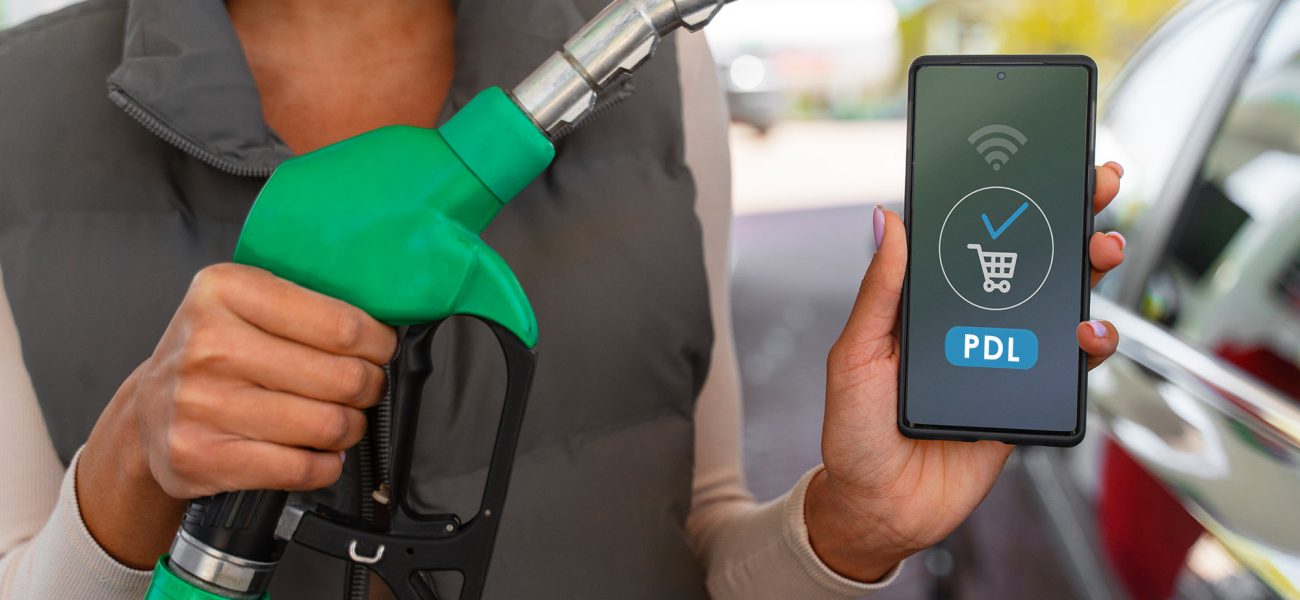
What Is the Petroleum Development Levy?
So what exactly is the Petroleum Development Levy, where does the money go, and how does it affect Kenyan motorists? This guide explains everything drivers need to know.

CN Quick Facts
- The Petroleum Development Levy (PDL) is a government charge imposed on petroleum products sold in Kenya.
- Every motorist contributes to the levy whenever they buy fuel.
- The levy was originally intended to help stabilise fuel prices and support petroleum sector development.
- While the levy helps fund energy-related initiatives, questions remain about transparency, accountability, and how the funds are used.
Understanding One of Kenya’s Hidden Fuel Costs
Every time you fuel your car in Kenya, you’re paying for much more than the petrol or diesel that goes into your tank. Hidden within every litre is a collection of taxes, charges, and levies that contribute significantly to the final pump price. One of the least understood of these charges is the Petroleum Development Levy (PDL).
What's in this Article
- Understanding One of Kenya’s Hidden Fuel Costs
- What Is the Petroleum Development Levy?
- Why Was the Petroleum Development Levy Created?
- Where Does the Money Go?
- How Much Does the Levy Cost Motorists?
- Why Has the Petroleum Development Levy Been Controversial?
- What Reforms Have Been Proposed?
- How Much of Your Fuel Price Is Actually Tax?
- Where Does Every Shilling of Your Fuel Price Go?
- What Does the Petroleum Development Levy Mean for Drivers?
- Conclusion
Currently, motorists pay KSh 5.40 on every litre of petrol and diesel purchased, while kerosene attracts a lower levy of KSh 0.40 per litre. Although the amount may appear small, the levy generates billions of shillings annually and has become one of the most debated components of Kenya’s fuel pricing structure.
So what exactly is the Petroleum Development Levy, where does the money go, and how does it affect Kenyan motorists? This guide explains everything drivers need to know.
What Is the Petroleum Development Levy?
The Petroleum Development Levy was established under the Petroleum Development Fund Act of 1991. It is a mandatory charge collected on petroleum products consumed in Kenya and paid by consumers through the retail pump price.
The current levy rates are:
| Product | Levy Rate |
|---|---|
| Super Petrol | KSh 5.40 per litre |
| Diesel | KSh 5.40 per litre |
| Kerosene | KSh 0.40 per litre |
| Jet Fuel | KSh 5.40 per litre |
| LPG (Cooking Gas) | KSh 0.40 per kilogram |
The levy is collected when petroleum products are imported into the country or released into the local market. Oil marketing companies collect and remit the levy to the government as part of the fuel supply chain.
CN Explained: What Is a Levy?
- A levy is a specific charge imposed by the government to fund a particular purpose.
- Unlike general taxes, which go into the government’s overall budget, levies are typically intended to finance a specific programme, project, or sector.
- In the case of the Petroleum Development Levy, the money is meant to support fuel price stabilisation and petroleum sector development.
Why Was the Petroleum Development Levy Created?
The original goal of the levy was relatively straightforward. Fuel prices are heavily influenced by global crude oil prices and currency fluctuations. When international oil prices rise sharply, consumers often experience significant increases in pump prices. The Petroleum Development Levy was created to build a financial reserve that could help cushion motorists from severe fuel price shocks.
In simple terms, the government collects money during normal periods and can use it to reduce the impact of unusually high fuel costs when global markets become volatile.
Where Does the Money Go?
Revenue collected through the levy is deposited into the Petroleum Development Fund.
According to the law, the fund may be used for:
- Fuel price stabilisation initiatives
- Development of common petroleum infrastructure
- Petroleum testing facilities
- Strategic petroleum projects
- Other activities related to petroleum sector development
The fund is intended to improve the efficiency, reliability, and long-term sustainability of Kenya’s petroleum industry.
How Much Does the Levy Cost Motorists?
Because the levy is charged per litre, the amount paid depends on how much fuel a motorist consumes.
For example:
50-Litre Fuel Tank
50 litres × KSh 5.40 = KSh 270
A driver filling a 50-litre petrol tank contributes KSh 270 to the Petroleum Development Fund in a single visit to the fuel station.
Monthly Example
A motorist consuming 200 litres of fuel per month contributes approximately:
200 litres × KSh 5.40 = KSh 1,080 per month
Over a year, that amounts to:
KSh 12,960
When multiplied across millions of motorists and commercial vehicle operators nationwide, the levy generates billions of shillings annually.
More than half of what you pay (approximately 55-60%) goes to taxes and levies, with the Petroleum Development Levy accounting for about 3% of your total fuel cost.
Why Has the Petroleum Development Levy Been Controversial?
Although the concept behind the levy is widely accepted, its management has faced criticism over the years. Auditor-General reports, parliamentary committees, and public interest groups have repeatedly questioned whether the fund has always been used for its intended purposes.
Several concerns have emerged.
- Lack of Clear Spending Guidelines: The original legislation provided broad descriptions of how the money could be used. Critics argued that terms such as “petroleum industry development” were too vague and left room for differing interpretations.
- Transparency Concerns: For many years, motorists had limited visibility into how funds were allocated and spent. This raised concerns about accountability, given the large amounts collected annually.
- Questions About Fuel Price Stabilisation: Many consumers have questioned why pump prices continued to rise significantly during periods of high global oil prices despite the existence of a stabilisation fund. This has increased public scrutiny of how the fund operates.
What Reforms Have Been Proposed?
Recognising these concerns, lawmakers have proposed several measures to strengthen accountability.
These reforms include:
- Clearer Use of Funds: Proposals seek to explicitly define fuel price stabilisation as a core purpose of the fund.
- Improved Oversight: Suggested reforms include the establishment of a Petroleum Development Fund Advisory Board to oversee fund utilisation.
- Stronger Accountability: Additional reporting and approval requirements could improve transparency and ensure funds are used for authorised purposes.
These changes aim to give motorists greater confidence that the levy is serving its intended purpose.
How Much of Your Fuel Price Is Actually Tax?
Many motorists are surprised to learn that the actual fuel itself accounts for less than half of the final pump price.
A significant portion consists of taxes, levies, regulatory charges, and distribution costs.
CN Explained: Why Fuel Prices Are Higher Than the Cost of Fuel
When fuel arrives in Kenya, its landed cost only represents the cost of purchasing and importing the product. Before reaching motorists, several additional costs are added, including:
- Excise Duty
- Road Maintenance Levy
- Petroleum Development Levy
- Petroleum Regulatory Levy
- Railway Development Levy
- Value Added Tax (VAT)
- Transportation costs
- Storage costs
- Wholesale and retail margins
This explains why the final pump price can be more than double the imported fuel cost.
Where Does Every Shilling of Your Fuel Price Go?
Here’s a detailed breakdown of what you’re actually paying for when you buy petrol in Nairobi (based on October 2025 prices):
The Base Cost
- Landed Cost (imported fuel): KSh 80.48 per litre (Diesel: KSh 80.64, Kerosene: KSh 81.24)
- This is the actual cost of bringing fuel into Kenya, including purchase price, shipping, insurance, and port charges
Taxes and Levies (KSh 56.96 per litre)
- Excise Duty: KSh 21.95 per litre (Diesel: KSh 11.37, Kerosene: KSh 11.37)
- General government revenue tax that helps fund national budget programs and services
- Road Maintenance Levy: KSh 25.00 per litre (Petrol & Diesel; not charged on kerosene)
- Established under the Road Maintenance Levy Fund Act (1993), specifically for maintaining and improving Kenya’s road network
- Petroleum Development Levy: KSh 5.40 per litre (Petrol & Diesel, Kerosene: KSh 0.40)
- For developing petroleum infrastructure and stabilising fuel prices during global oil price spikes (as discussed above)
- Petroleum Regulatory Levy: KSh 0.75 per litre
- Funds EPRA’s operations in regulating the petroleum sector, including price monitoring, licensing, and enforcement
- Railway Development Levy (RDL): KSh 1.53 per litre (Diesel: KSh 1.55, Kerosene: KSh 1.57)
- Used to fund the construction and operations of the country’s standard gauge railway network, including its construction, maintenance, and related infrastructure projects
- Anti-Adulteration Levy: KSh 18.00 on customs value (for kerosene only)
- Helps fund efforts to prevent mixing of kerosene with other fuels, protecting consumers and ensuring proper tax collection
- Merchant Shipping Levy & Import Declaration Fee: KSh 1.95 per litre (Diesel: KSh 1.96, Kerosene: KSh 1.99)
- Supports maritime services and customs operations for imported goods
- Value Added Tax (VAT): KSh 25.45 per litre (Diesel: KSh 23.65, Kerosene: KSh 21.35)
- Value Added Tax collected on the cumulative cost, including other taxes
Distribution Costs
- Oil Marketer & Dealer Margins: KSh 17.39 per litre (Diesel: KSh 17.31, Kerosene: KSh 17.24)
- Covers operating costs for oil marketing companies (KSh 6.14) and retail fuel stations (KSh 11.25), including staff salaries, rent, utilities, and profit margins
- Transport & Distribution: KSh 4.69 per litre (Diesel: KSh 4.38, Kerosene: KSh 4.34)
- Costs of moving fuel from Mombasa port to depots (via pipeline or trucks) and then to retail stations, including storage at oil storage facilities
Total Pump Price: KSh 184.52 per litre (Diesel: KSh 171.47, Kerosene: KSh 154.78)
The Reality: More than half of what you pay (approximately 55-60%) goes to taxes and levies, with the Petroleum Development Levy accounting for about 3% of your total fuel cost. The actual imported fuel makes up only about 45% of the pump price.
What Does the Petroleum Development Levy Mean for Drivers?
For motorists, the Petroleum Development Levy represents a trade-off.
Potential Benefits
If managed effectively, the fund can:
- Reduce the impact of global oil price shocks
- Improve fuel supply stability
- Support petroleum infrastructure development
- Enhance long-term energy security
Ongoing Challenges
To maintain public confidence, authorities must ensure:
- Transparent reporting
- Effective oversight
- Responsible use of funds
- Clear communication with consumers
Motorists contribute to the fund every day and therefore have a legitimate interest in how it is managed.
CN Insight: Why Understanding Fuel Levies Matters
Fuel is one of the largest operating costs for many Kenyan households and businesses.
Understanding how fuel prices are structured helps motorists:
- Budget more effectively
- Understand price changes
- Evaluate government policy
- Participate in informed public discussions about energy and taxation
The more consumers understand fuel pricing, the easier it becomes to hold decision-makers accountable.
Frequently Asked Questions
The Petroleum Development Levy is a government charge imposed on petroleum products to fund fuel price stabilisation initiatives and petroleum sector development.
Motorists currently pay KSh 5.40 per litre of petrol and diesel.
Not directly. The fund is intended to help cushion consumers during periods of unusually high global oil prices.
The fund is administered under government regulations, with oversight from relevant energy and finance authorities.
Concerns have been raised about transparency, accountability, and whether funds have always been used for their intended purpose.
CN Key Takeaways
✔ The Petroleum Development Levy adds KSh 5.40 to every litre of petrol and diesel sold in Kenya.
✔ The levy was created to help stabilise fuel prices and support petroleum sector development.
✔ A driver filling a 50-litre tank contributes approximately KSh 270 in Petroleum Development Levy.
✔ The levy generates billions of shillings annually through fuel consumption.
✔ Transparency and accountability concerns have led to calls for stronger oversight.
✔ More than half of Kenya’s fuel pump price consists of taxes, levies, and associated charges.
✔ Understanding fuel levies helps motorists better understand why fuel prices change.
Conclusion
The Petroleum Development Levy is one of the most important yet least understood components of Kenya’s fuel pricing structure. While its original purpose was to protect consumers from extreme fuel price fluctuations and support petroleum sector development, questions about governance and transparency have kept the levy in the public spotlight.
For motorists, understanding the levy provides valuable insight into where fuel costs come from and why fuel prices remain a major economic issue in Kenya. The next time you fill up your vehicle, remember that part of your fuel bill is contributing to a fund designed to support the country’s energy future.
Continue Reading on CarNews KE
- How EPRA Determines Monthly Fuel Prices in Kenya
- Understanding the Road Maintenance Levy Fund
- A Complete Guide to Fuel Taxes and Levies in Kenya
- Join the CarTalk KE Forum and Share Your Views on Fuel Price







No Comment! Be the first one.