










Understanding Kenya’s Petroleum Act 2019
This guide explains the Petroleum Act 2019, its key provisions, and how it affects fuel prices, petroleum quality, economic development, and the future of Kenya's energy sector.

CN Quick Facts
- The Petroleum Act 2019 is Kenya’s primary law governing petroleum exploration, production, transportation, storage, and distribution.
- The Act influences fuel availability, fuel quality, energy security, and the regulation of petroleum products used by motorists every day.
- The law was introduced after significant oil discoveries in Turkana and aims to ensure Kenya benefits fairly from its petroleum resources.
- The Petroleum Act 2019 provides the legal foundation for a more transparent, efficient, and sustainable petroleum industry while protecting consumers and supporting national development.
What It Means for Drivers, Fuel Prices and the Future of Energy
Fuel prices affect almost every Kenyan. Whether you drive a private car, operate a commercial vehicle, manage a fleet, or rely on public transport, changes in the petroleum sector eventually affect your daily expenses. Yet few motorists understand the laws that govern how petroleum resources are explored, produced, transported, and sold in Kenya.
What's in this Article
- What It Means for Drivers, Fuel Prices and the Future of Energy
- What Is the Petroleum Act 2019?
- Why Was a New Petroleum Law Needed?
- What Are the Main Objectives of the Petroleum Act 2019?
- Which Institutions Regulate the Petroleum Sector?
- How Does the Act Regulate Petroleum Licensing?
- How Is Petroleum Revenue Shared?
- How Does the Act Support Kenyan Businesses and Workers?
- How Does the Act Protect the Environment?
- What Does the Petroleum Act Mean for Fuel Prices?
- How Does the Act Affect Fuel Quality?
- What Are the Benefits for Kenyan Drivers?
- What Challenges Remain?
- Conclusion
The Petroleum Act 2019 was introduced to provide a modern legal framework for Kenya’s petroleum industry. It replaced outdated legislation and established rules covering the entire petroleum value chain, from oil exploration in Turkana to the fuel pumps motorists use every day. But what exactly does the law do, and why should Kenyan drivers care?
This guide explains the Petroleum Act 2019, its key provisions, and how it affects fuel prices, petroleum quality, economic development, and the future of Kenya’s energy sector.
What Is the Petroleum Act 2019?
The Petroleum Act 2019 is the legislation that regulates Kenya’s petroleum industry.
It governs activities across the entire petroleum value chain, including:
- Exploration
- Development
- Production
- Transportation
- Storage
- Refining
- Distribution
- Marketing
- Closure and decommissioning of petroleum projects
The Act repealed the Petroleum (Exploration and Production) Act of 1984, which had become increasingly outdated as Kenya’s energy sector evolved.
The discovery of commercially viable oil reserves in Turkana in 2012 highlighted the need for a more comprehensive legal framework capable of managing both existing fuel markets and future oil production activities.
Why Was a New Petroleum Law Needed?
Before 2019, Kenya’s petroleum regulations were fragmented and largely focused on exploration activities.
The country needed legislation that could:
- Regulate the entire petroleum value chain
- Improve transparency in petroleum contracts
- Define revenue-sharing mechanisms
- Strengthen environmental protection
- Encourage local participation
- Align Kenya with international petroleum industry standards
The Petroleum Act 2019 was designed to address these gaps while preparing the country for potential commercial oil production.
What Are the Main Objectives of the Petroleum Act 2019?
The Act is built around five key goals.
1. Strengthening Regulation
The law establishes a clearer regulatory framework that defines the responsibilities of government agencies, petroleum companies, and other stakeholders.
2. Improving Transparency and Accountability
The Act promotes transparency in licensing, contracting, and revenue management to help build public confidence and reduce opportunities for corruption.
3. Maximising National Benefits
Petroleum resources are considered national assets. The Act seeks to ensure that their development generates economic benefits for the country and its citizens.
4. Protecting the Environment
Environmental safeguards are incorporated throughout the legislation to reduce the risks associated with petroleum activities.
5. Promoting Local Content
The law encourages the participation of Kenyan businesses, workers, and communities in petroleum projects.
Which Institutions Regulate the Petroleum Sector?
Several organisations are responsible for implementing and overseeing the Act.
Ministry of Energy and Petroleum
The ministry develops national petroleum policies and provides overall strategic direction for the sector.
Energy and Petroleum Regulatory Authority (EPRA)
The Energy and Petroleum Regulatory Authority (EPRA) regulates petroleum activities, monitors compliance, and oversees fuel pricing mechanisms.
For most motorists, EPRA is the most visible institution because it publishes monthly fuel price reviews and enforces fuel quality standards.
National Oil Corporation of Kenya (NOCK)
The National Oil Corporation of Kenya (NOCK) participates in petroleum activities across the upstream, midstream, and downstream sectors.
This means NOCK may be involved in activities ranging from petroleum exploration and production (upstream), to fuel storage and transportation (midstream), and fuel distribution and retail operations (downstream).
Petroleum Advisory Committee
This committee provides technical and policy advice on petroleum matters.
CN Explained: What Do Upstream, Midstream and Downstream Mean?
The petroleum industry is typically divided into three main segments:
- Upstream refers to the search for and extraction of petroleum resources. This includes activities such as geological surveys, exploration drilling, and oil production. In Kenya, oil exploration activities in Turkana are part of the upstream sector.
- Midstream covers the transportation, storage, and processing of petroleum products. This includes pipelines, storage depots, oil terminals, and other infrastructure used to move petroleum from production areas to markets.
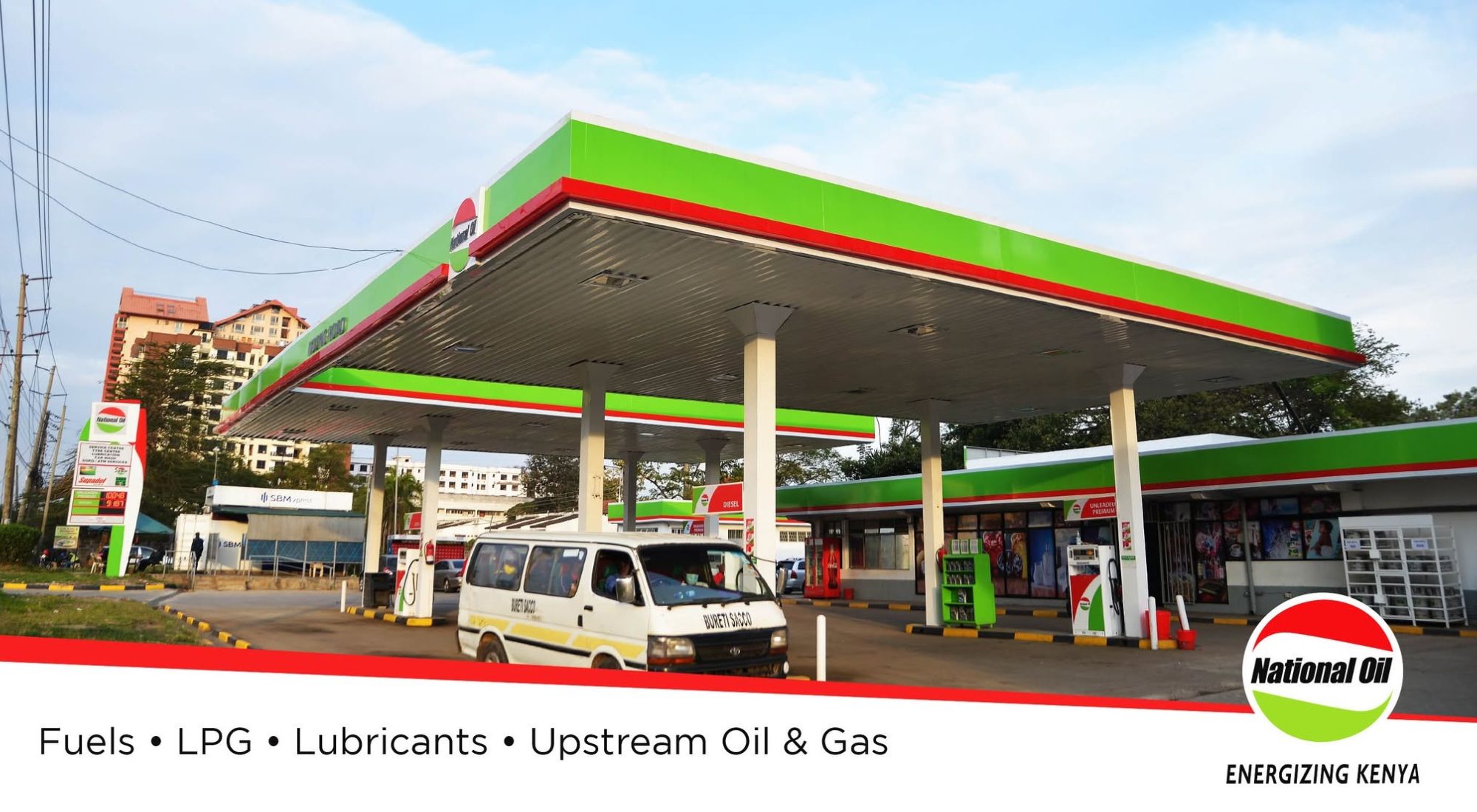
- Downstream refers to the refining, distribution, marketing, and sale of petroleum products to consumers. Petrol stations, fuel transport companies, lubricants, and retail fuel sales are all part of the downstream sector.
For most Kenyan motorists, the downstream sector is the most visible because it directly affects fuel availability, fuel quality, and pump prices.
How Does the Act Regulate Petroleum Licensing?
Petroleum activities cannot be conducted without government approval.
The Act establishes clear procedures for obtaining:
- Exploration licences
- Development licences
- Production licences
- Transportation approvals
- Infrastructure permits
It also requires a transparent and competitive process when awarding petroleum rights.
This approach is intended to attract investment while protecting public interests.
How Is Petroleum Revenue Shared?
One of the most discussed aspects of the Petroleum Act 2019 is revenue sharing.
The law provides a framework for distributing petroleum-related revenues among different stakeholders.
National Government
The national government receives the largest share of petroleum revenues and is responsible for managing national development priorities.
County Governments
Counties hosting petroleum resources receive a share equivalent to 20% of the national government’s allocation.
This provision is intended to ensure local governments benefit from petroleum development.
Local Communities
Communities located near petroleum operations receive a share equivalent to 5% of the national government’s allocation.
The goal is to support local development projects, infrastructure improvements, and community welfare programmes.
How Does the Act Support Kenyan Businesses and Workers?
A major feature of the legislation is its focus on local content.
What Is Local Content?
Local content refers to the use of Kenyan workers, goods, services, and businesses within petroleum projects.
Oil companies are required to submit local content plans outlining how they will involve Kenyan companies and citizens.
Employment and Skills Development
The Act encourages:
- Employment of Kenyan nationals
- Professional training programmes
- Skills development initiatives
- Knowledge transfer
This helps build a skilled local workforce capable of supporting the petroleum industry.
Technology Transfer
International petroleum companies are encouraged to share knowledge and technology with local institutions and businesses.
This can strengthen Kenya’s long-term technical capabilities.
How Does the Act Protect the Environment?
Petroleum operations can have significant environmental impacts if poorly managed.
The Petroleum Act 2019 introduces several safeguards.
- Environmental Impact Assessments: Every major petroleum project must undergo an Environmental Impact Assessment (EIA). These assessments identify potential risks and propose mitigation measures before activities begin.
- Health and Safety Standards: Companies must comply with strict health and safety requirements designed to protect workers and nearby communities.
- Community Engagement: Petroleum companies are required to consult local communities and address concerns related to project activities. This helps reduce conflicts and improve project transparency.
What Does the Petroleum Act Mean for Fuel Prices?
Many motorists assume the Act directly determines fuel prices.
In reality, fuel prices are influenced by multiple factors, including:
- Global crude oil prices
- Exchange rates
- Taxes and levies
- Transportation costs
- Supply chain efficiency
However, the Petroleum Act contributes indirectly by creating a more structured and regulated petroleum market.
A well-regulated sector can improve efficiency, reduce disruptions, and strengthen fuel security across the country.
How Does the Act Affect Fuel Quality?
Fuel quality is critical for vehicle performance and engine longevity.
Through regulatory oversight by EPRA, the Act supports:
- Fuel quality monitoring
- Product testing
- Compliance inspections
- Consumer protection measures
For motorists, this means greater confidence that fuel sold at licensed stations meets required standards.
What Are the Benefits for Kenyan Drivers?
The Petroleum Act 2019 delivers several potential benefits for motorists.
- More Reliable Fuel Supply: Improved regulation helps strengthen fuel distribution networks and reduce supply disruptions.
- Better Consumer Protection: Quality standards and regulatory oversight protect consumers from substandard petroleum products.
- Improved Energy Security: A stronger petroleum framework can help Kenya better manage future energy challenges.
- Economic Growth: Job creation and local business participation can contribute to broader economic development that benefits consumers and industries alike.
What Challenges Remain?
Despite its ambitions, the Act faces several implementation challenges.
- Regulatory Capacity: Effective enforcement requires significant technical expertise and resources.
- Stakeholder Expectations: Balancing the interests of national government, county governments, local communities, and investors remains a complex task.
- Environmental Risks: Petroleum development always carries environmental risks that require constant monitoring and responsible management.
CN Insight: Why the Petroleum Act Matters Beyond Oil
Although much of the public discussion focuses on oil discoveries in Turkana, the Petroleum Act has a broader role.
It helps shape Kenya’s long-term energy future by creating predictable rules for investors, protecting consumers, and ensuring petroleum resources contribute to national development.
As Kenya explores cleaner mobility solutions such as hybrid vehicles, electric vehicles (EVs), and alternative fuels, strong energy governance remains essential for maintaining economic stability during the transition.
Frequently Asked Questions
Not directly. Fuel prices are influenced by global oil prices, taxes, exchange rates, and supply chain costs. The Act supports regulation and market efficiency.
The law was introduced to modernise Kenya’s petroleum regulations and provide a framework covering the entire petroleum value chain.
Communities located near petroleum operations receive a share of petroleum revenues and can benefit from development projects and employment opportunities.
Yes. The legislation requires environmental assessments, health and safety compliance, and community engagement throughout petroleum projects.
The law influences fuel quality, fuel availability, energy security, consumer protection, and the overall regulation of Kenya’s petroleum sector.
CN Key Takeaways
✔ The Petroleum Act 2019 is Kenya’s primary petroleum legislation.
✔ It regulates exploration, production, transportation, storage, and distribution of petroleum resources.
✔ The Act replaced the outdated 1984 petroleum law.
✔ Revenue-sharing provisions allocate benefits to national government, county governments, and local communities.
✔ Stronger regulation supports fuel quality, consumer protection, and energy security.
✔ Environmental protection and local content development are central pillars of the legislation.
✔ Effective implementation remains critical to achieving the Act’s long-term goals.
Conclusion
The Petroleum Act 2019 represents one of the most significant reforms in Kenya’s energy sector in recent decades.
By establishing a comprehensive framework for petroleum exploration, production, transportation, and regulation, the law seeks to ensure that Kenya’s petroleum resources are developed responsibly and sustainably.
For motorists, the benefits may not always be immediately visible, but the Act plays an important role in supporting fuel quality, market stability, consumer protection, and long-term energy security.
As Kenya’s petroleum industry continues to evolve, understanding this legislation helps drivers, businesses, and policymakers better appreciate the systems that keep the country’s transport sector moving.
Continue Reading on CarNews KE
- Learn how EPRA determines monthly fuel prices in Kenya.
- Explore our guide to fuel taxes and levies.
- Read the latest fuel price updates.
- Join the CarTalk KE Forum and share your views on Kenya’s energy future.






No Comment! Be the first one.