








Telematics in Kenya: How Fleets Cut Fuel Costs and Theft
Telematics tracks fleet location, driving behaviour, and fuel consumption. We discuss how it works, where it falls short, and what to ask before you buy.

CN Quick Facts
- Telematics combines telecommunications and vehicle data. Onboard hardware collects location, engine, and sensor information and sends it to a platform where managers can monitor vehicles and drivers.
- The system helps spot fuel-level drops and irregularities, reduce idling and harsh driving, schedule maintenance sooner, and, with cameras, review incidents.
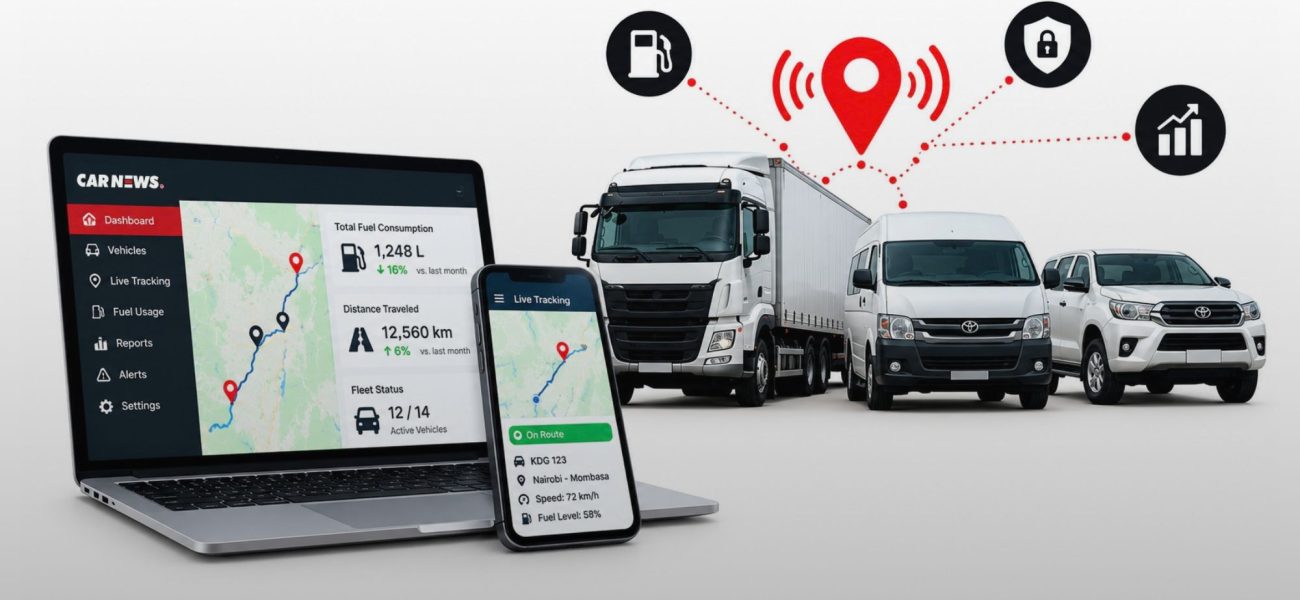
- It tracks location, fuel use, fault codes, driver behaviour, vehicle utilisation, service schedules and route efficiency.
- Limitations: sensors need proper installation and calibration, alerts need someone to act on them, and driver-facing cameras raise privacy questions.
- Rising operating costs, long-haul routes, and growing delivery and ride-hailing demand make visibility and downtime prevention a business priority.
Fuel is one of the biggest running costs for any commercial fleet, and it’s also one of the hardest to keep track of. For years, many operators managed it with paper fuel receipts, manual inspections, and phone calls from drivers. That can work with a handful of vehicles. As fleets grow and customers expect faster and more reliable deliveries, it leaves too much unseen.
What's in this Article
Telematics is the technology built to close that gap. By combining GPS, vehicle diagnostics, fuel sensors, and cloud software, it shows a fleet manager where each vehicle is, how it’s being driven, and what it’s consuming. It’s not magic, and it doesn’t work equally well in every setup. But used properly, it’s one of the more practical technologies available to logistics, transport, ride-hailing, and delivery businesses.
What is Telematics?
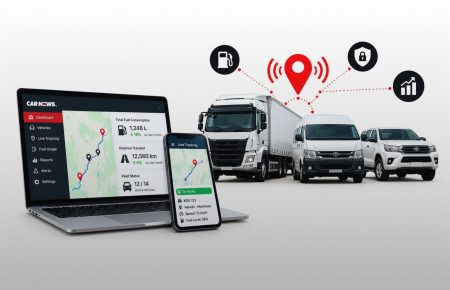
At its core, telematics is the integration of telecommunications and vehicle data. Hardware installed in the vehicle collects information from GPS, onboard sensors, and the vehicle’s diagnostic systems. That data is sent to a central platform, usually cloud-based, where managers can view it on a dashboard or receive alerts.
A modern platform can typically report:
- Vehicle location in real time
- Fuel consumption patterns
- Engine diagnostics and fault codes
- Driver behaviour, such as speeding and harsh braking
- Vehicle utilisation
- Maintenance schedules
- Route efficiency
The value lies less in any single feature than in seeing all of them together. A fuel drop means more when you can see where the vehicle was, how long it was stationary, and who was driving.
Fighting Fuel Theft With Monitoring
Telematics tackles fuel theft in two ways. First, fuel-level sensors can detect sudden drops that don’t match normal consumption, prompting a manager to investigate. Second, some systems can compare fuel purchases against vehicle location data, which helps flag transactions that don’t line up with where the vehicle actually was.
That gives operators evidence to work with, rather than relying solely on receipts and mileage logs.
A realistic caveat: fuel data is only as good as the installation. Slopes, rough roads, and fuel sloshing can cause misleading readings; sensors need calibrating to each tank, and tampering is possible. A good provider will calibrate sensors and set alert thresholds that separate genuine losses from noise. Otherwise, managers can end up drowning in false alarms and ignoring the real ones.
Reducing Fuel Waste Through Driver Behaviour
Not all fuel loss is theft. Excessive idling, aggressive acceleration, harsh braking and poor route choices all add to consumption. Telematics platforms record these habits and can alert managers when a vehicle idles for extended periods or a driver repeatedly breaks set limits. Many systems also give drivers real-time feedback, such as an in-cab buzzer for harsh braking.
Small changes add up across a fleet over time. The most effective approach is usually to use the data for coaching rather than punishment, since drivers who feel spied on tend to resist the system.
Maintenance Alerts That Prevent Breakdowns
Vendors often call this “predictive maintenance”. In practice, most systems work by monitoring diagnostic codes, battery health, engine data, and service intervals and alerting operators when something needs attention. That is valuable, even if it’s closer to condition-based maintenance than true prediction.
Catching a fault early lets a fleet schedule repairs at a convenient time instead of dealing with a breakdown on the road. For operators running long-haul routes across Kenya and East Africa, unplanned downtime means late deliveries, stranded cargo, and expensive recovery, so avoiding it has a direct impact on profitability.
Dash Cameras and Video Telematics
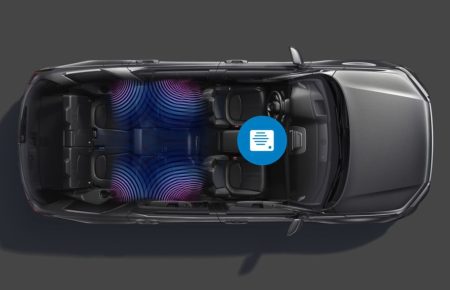
Video telematics pairs GPS tracking with forward-facing and, in some systems, driver-facing cameras. Modern systems can flag events such as:
- Driver distraction
- Mobile phone use while driving
- Signs of fatigue
- Tailgating
- Sudden braking
When risky behaviour is detected, the system can warn the driver immediately and send a report to the fleet manager.
Limits to understand: AI detection isn’t perfect, and accuracy varies between products and conditions such as lighting and camera position. Operators should test a system on their own vehicles before committing.
Privacy matters too. Driver-facing cameras record personal data. Kenya’s Data Protection Act, 2019, applies to how that data is collected, stored, and used, so operators should be transparent with drivers about what is recorded and why and check their obligations before rollout. The goal should be improving safety and reducing preventable incidents, not surveillance for its own sake.
Simplifying Accident Investigations
Investigating a crash involving a commercial vehicle can be slow and expensive. Video gives a record of what happened before, during, and after an incident, which can help businesses, insurers and investigators understand events and settle claims more efficiently.
Objective footage can also reduce disputes over who was at fault, whether between drivers, with third parties or with insurers.
When Does Telematics Make the Most Sense?
It isn’t only for large fleets, but the payoff differs by operation:
- Long-haul and logistics: location, fuel and breakdown prevention matter most
- Delivery businesses: route efficiency and utilisation drive the return
- Ride-hailing and staff transport: driver behaviour and safety are the priorities
- Small fleets: a simple tracker with fuel monitoring may be enough, without a full video system
The right question isn’t “how much technology can we buy?” but “which of our costs or risks is the data most likely to reduce?”
What To Ask Before You Buy
Before signing with a provider, operators should ask:
- Which sensors does it use for fuel, and how are they calibrated to each vehicle?
- How does the system work when mobile coverage is weak on long routes?
- Who acts on the alerts, and how are false alarms handled?
- What are the total costs: hardware, installation, subscriptions, and data?
- Is local support available for installation and repairs?
The challenges
Telematics is not a plug-and-play cure. Installation quality varies, hardware can be tampered with, and coverage gaps affect real-time data. Above all, the technology only pays off if managers act on what it shows. A dashboard nobody checks saves no fuel.
The future is data-driven
Spreadsheets, handwritten logs and occasional phone calls are giving way to live data as connected vehicles become more common and telematics hardware becomes more accessible. For Kenyan fleets under pressure to control costs and keep service standards high, that data can be a real edge, provided it’s installed well, used consistently, and handled responsibly.
Frequently Asked Questions
Telematics combines GPS tracking, vehicle diagnostics, fuel monitoring and analytics in one system, so fleet managers can see vehicle location, condition and driver behaviour in real time.
It can help detect it. Fuel-level sensors can flag sudden drops, and some systems compare fuel purchases with location data. Accuracy depends on proper installation and calibration.
It can, mainly by reducing idling, aggressive driving, and inefficient routes, and by exposing fuel losses. Results depend on how consistently managers act on the data.
Not exactly. It uses fault codes, battery data, and engine information to alert operators to developing problems, rather than relying only on fixed service schedules.
Accuracy varies by product and conditions. Operators should test a system in their own vehicles before rolling it out fleet-wide.
They involve personal data, so the Data Protection Act, 2019, applies. Operators should be transparent with drivers and take legal advice on consent, storage, and access.
No. Smaller fleets can start with basic GPS tracking and fuel monitoring and add features as needed.
CN Key Takeaways
✔ Telematics combines GPS, diagnostics, fuel sensors, and analytics into one view of vehicles and drivers.
✔ Fuel monitoring helps detect theft and waste, but only with proper installation and calibration.
✔ Driver behaviour data cuts fuel waste when used for coaching rather than punishment.
✔ Maintenance alerts help prevent breakdowns, which is especially valuable on long-haul routes.
✔ AI dash cameras improve safety and simplify investigations, but detection isn’t perfect, and privacy obligations apply.
✔ The right setup depends on the fleet: long-haul, delivery, ride-hailing, and small fleets benefit in different ways.
✔ Ask vendors hard questions about calibration, coverage, support and data handling.
✔ The technology only pays off if managers act on the data.
Conclusion
Managing a fleet on receipts, logs and phone calls means finding out about problems after they’ve cost money. Telematics moves that moment earlier: a fuel drop investigated the same day, a fault fixed before a breakdown, and a risky habit corrected before an accident.
It has limits, and it works best when installed carefully, used consistently, and handled with respect for drivers. For Kenyan operators facing rising costs and higher customer expectations, it’s one of the more practical tools available.






No Comment! Be the first one.