










Understanding the Kenya Traffic Act and its 2024 Amendments
Learn how the Kenya Traffic Act affects every driver. Understand road rules, speed limits, vehicle registration, licensing, traffic offences, NTSA regulations, and practical compliance tips.

CN Quick Facts
- The Traffic Act (Cap. 403) is Kenya’s primary road traffic legislation.
- Every driver must hold a valid driving licence appropriate for the vehicle they operate.
- Every vehicle on public roads must be registered, insured, and maintained in a roadworthy condition.
- Default speed limits are 110 km/h on motorways/dual carriageways, 100 km/h on other highways, and 50 km/h in urban areas – but NTSA’s camera-enforced zones often post lower limits (commonly 80 km/h) on specific highway stretches, which always take precedence.
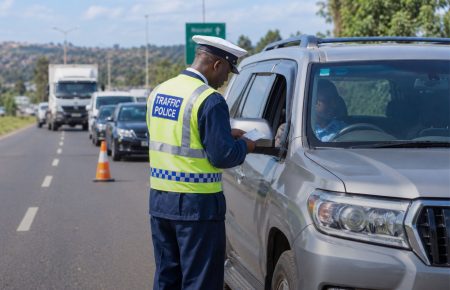
- NTSA oversees driver licensing, vehicle registration, inspections, and road safety, while the Traffic Police enforce road traffic laws.
- Routine vehicle maintenance not only improves safety but also helps drivers remain compliant with traffic regulations.
- Ignorance of traffic laws is not a legal defence. Staying informed is part of responsible vehicle ownership.
A Practical Guide to Kenya’s Road Traffic Laws and What Every Driver Should Know
Owning a car in Kenya comes with more than the freedom to travel; it also comes with legal responsibilities. Every time you get behind the wheel, you are expected to comply with the Traffic Act (Cap. 403), the primary law governing road use, vehicle ownership, driver licensing, and road safety in Kenya.
What's in this Article
- A Practical Guide to Kenya’s Road Traffic Laws and What Every Driver Should Know
- What is the Kenya Traffic Act?
- Understanding Kenya’s Road Transport System
- Who Enforces the Traffic Act?
- What Does the Traffic Act Cover?
- Current Speed Limits in Kenya
- Driver Responsibilities
- Recent Regulatory Developments
- Commercial Vehicle Regulations
- Common Traffic Mistakes That Cost Drivers Money
- How to Stay Compliant
- Why the Traffic Act Matters
- Conclusion
Whether you’re a first-time driver, experienced motorist, fleet owner or commercial operator, understanding the Traffic Act helps you stay safe, avoid penalties, and become a more responsible road user.
This guide explains the legislation in plain English, highlights recent developments, and outlines what every Kenyan motorist should know.
The Kenya Traffic Act (Cap. 403) establishes the legal framework for vehicle ownership, driver licensing, road safety, and traffic enforcement across Kenya.
What is the Kenya Traffic Act?
The Traffic Act (Chapter 403 of the Laws of Kenya) is Kenya’s principal road traffic legislation.
Originally enacted in 1953, it has undergone numerous amendments to address changing vehicle technology, road safety concerns, public transport regulation, and digital government services.
The Act works alongside regulations issued by government agencies, including:
- National Transport and Safety Authority (NTSA)
- Kenya National Highways Authority (KeNHA)
- Kenya Urban Roads Authority (KURA)
- Kenya Rural Roads Authority (KeRRA)
- National Police Service
- Ministry of Roads and Transport
Together, these institutions regulate nearly every aspect of road transport in Kenya.
Understanding Kenya’s Road Transport System
Like many countries, Kenya’s transport sector can be viewed in three interconnected stages.
- Upstream: The policy and regulatory environment. This includes Parliament, the Ministry of Roads and Transport, NTSA, EPRA (for fuel regulation), and agencies responsible for developing laws, standards, and transport policy.
- Midstream: Road infrastructure and transport systems. This covers highways, urban roads, weighbridges, inspection centres, licensing systems, digital services, and traffic management infrastructure that allow transport to function safely.
- Downstream: The everyday road users. This includes private motorists, commercial drivers, PSV operators, motorcycle riders, cyclists, pedestrians, logistics companies and businesses transporting goods throughout Kenya.
Every driver interacts primarily with the downstream system, but all three depend on one another.
Who Enforces the Traffic Act?
Several government agencies have different responsibilities.
| Organisation | Primary Role |
|---|---|
| NTSA | Driver licensing, vehicle registration, inspections, road safety campaigns |
| Traffic Police | Enforcement of traffic laws |
| KeNHA | National highways |
| KURA | Urban roads |
| KeRRA | Rural roads |
| County Governments | Parking management and selected local traffic functions |
What Does the Traffic Act Cover?
The legislation governs almost every aspect of vehicle ownership and road use.
- Driver Licensing
Drivers must possess a valid licence appropriate for the class of vehicle they operate. The Act also provides requirements for learner drivers, licence renewal, suspension, disqualification, and endorsement of offences.
- Vehicle Registration
Every vehicle used on Kenyan roads must be registered, assigned number plates, recorded by NTSA, and owned through the official digital logbook system. Transfers of ownership must also follow NTSA procedures.
- Vehicle Roadworthiness
Vehicles must be maintained in a safe operating condition. This includes brakes, steering, tyres, suspension, lighting, emissions, mirrors, and windscreen visibility. Commercial vehicles may require periodic inspection depending on vehicle category.
- Road Safety
The Traffic Act contains numerous safety requirements including seatbelt use, motorcycle helmet requirements, child passenger safety, mobile phone restrictions, speed limits, dangerous driving offences, drink-driving provisions, and vehicle lighting requirements. These laws exist to reduce fatalities and serious injuries on Kenyan roads.
- Public Service Vehicles (PSVs)
PSVs operate under stricter requirements covering driver qualifications, speed governors, inspections, insurance, passenger capacity, and licensing. These additional rules recognise the higher responsibility carried by commercial transport operators.
Current Speed Limits in Kenya
Unless otherwise indicated by road signs, the default limits for private vehicles are:
| Road Type/ Class of Vehicle | Maximum Speed |
|---|---|
| Dual carriageway highways | 110 km/h |
| Single carriage highways | 100 km/h |
| Urban roads and trading centres | 50 km/h |
PSVs and heavier commercial vehicles are generally capped lower around 80 km/h on the open road.
CN Insights
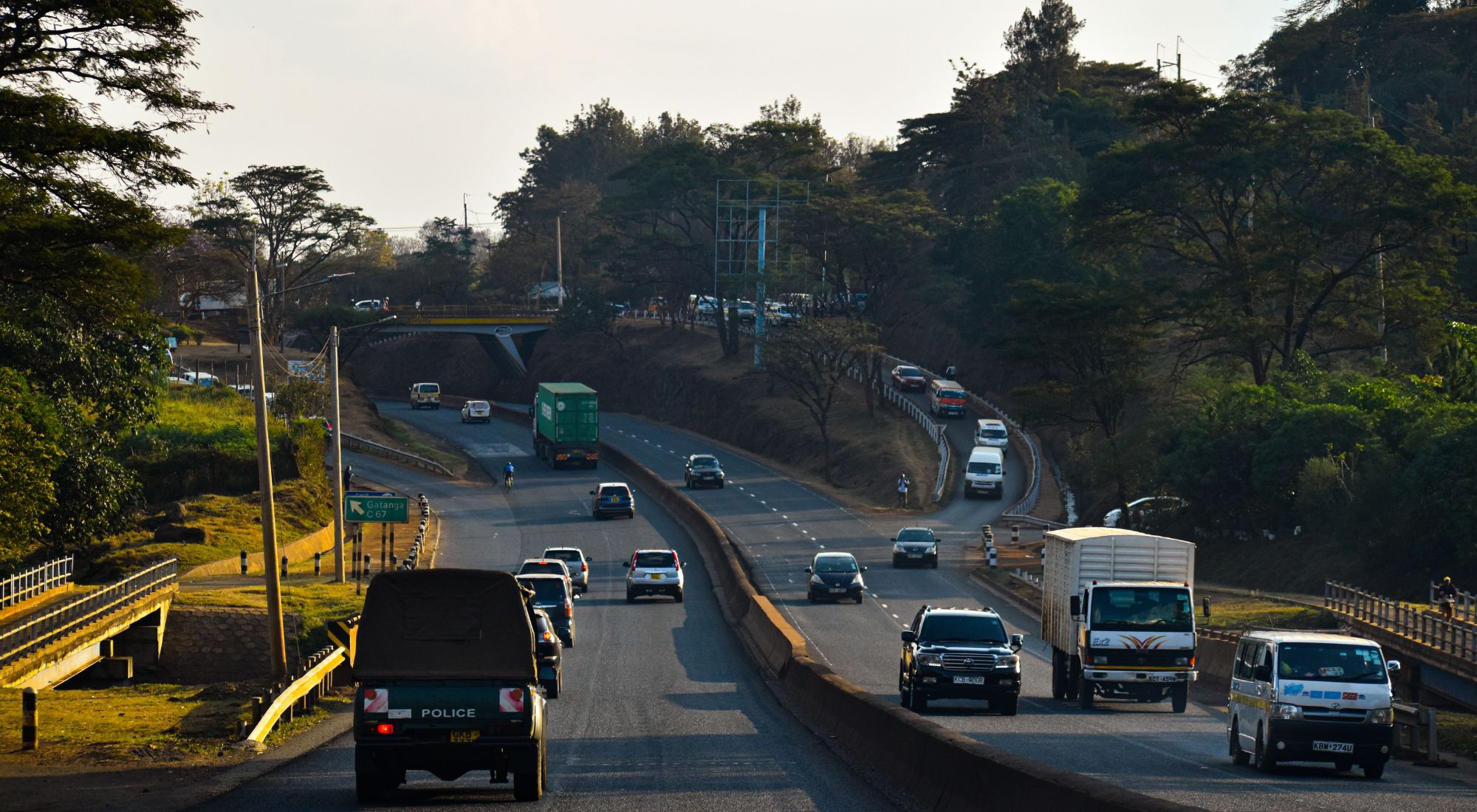
Posted signs always override these defaults. This matters more than ever in 2026: NTSA’s expanding network of fixed and mobile speed cameras now enforces lower, segment-specific limits — commonly 80 km/h — along particular stretches of Thika Road, Mombasa Road, the Nairobi Expressway, and the Northern and Southern Bypasses, regardless of the general highway ceiling.
Drivers should treat the table above as a baseline and always follow the signage or camera-zone limit actually posted on the road they’re using, since violations are now enforced automatically via instant-fine SMS notifications rather than only by an officer stopping the vehicle.
Driver Responsibilities
Being licensed is only part of being a responsible driver.
Every driver should:
- Keep a valid driving licence.
- Maintain valid insurance.
- Ensure the vehicle is roadworthy.
- Display legal number plates.
- Observe road signs and traffic signals.
- Drive without distraction.
- Report accidents where required by law.
- Respect pedestrians, cyclists, and motorcyclists.
Road safety is a shared responsibility.
Recent Regulatory Developments
Kenya’s road transport regulations continue to evolve as government seeks to improve safety and efficiency.
National Road Safety Action Plan (2024–2028)
NTSA, under the Ministry of Roads and Transport, launched this national strategy in April 2024 aimed at halving road fatalities and serious injuries through better enforcement (including the expanded speed-camera and instant-fines system), education, infrastructure improvements, and safer vehicles.
Commercial Vehicle Regulations
Proposed Commercial Service Vehicle Regulations seek to strengthen oversight of heavy commercial vehicles, including licensing, inspections and compliance.
Vehicle Inspection Reforms
Government continues reviewing vehicle inspection procedures, with proposed rule changes intended to modernise inspection standards and improve roadworthiness.
These proposals remain part of broader efforts to improve vehicle safety.
Common Traffic Mistakes That Cost Drivers Money
Many penalties arise from simple mistakes that are easily avoided.
These include:
- Speeding
- Using a mobile phone while driving
- Driving without insurance
- Expired driving licences
- Defective lights
- Worn tyres
- Illegal parking
- Overloaded vehicles
- Ignoring road signs
- Failing to renew vehicle licences
Most of these issues are preventable through routine checks.
How to Stay Compliant
- Keep Your Documents Current: Ensure your driving licence, insurance, vehicle registration, and inspection certificates (where applicable) remain valid.
- Service Your Vehicle Regularly: Routine servicing reduces the likelihood of brake failure, tyre blowouts, steering problems, and lighting defects. Mechanical failures can quickly become legal problems.
- Use Authorised Services: NTSA now offers many services through the eCitizen platform, including driving licence renewal, vehicle transfers, vehicle registration services, and licence verification. Using official platforms helps protect motorists from fraud.
- Stay Informed: Traffic regulations evolve over time. Drivers should regularly check updates from NTSA, the Ministry of Roads and Transport, the Kenya Gazette, and CarNews KE. Understanding new regulations before they take effect helps motorists avoid unnecessary penalties.
Why the Traffic Act Matters
The Traffic Act exists to achieve three important goals:
- Protect lives.
- Improve traffic flow.
- Promote responsible vehicle ownership.
While penalties discourage dangerous behaviour, the law’s primary purpose is prevention, not punishment. Every compliant driver contributes to safer roads for everyone.
Frequently Asked Questions
No. The Traffic Act provides the legal framework, while NTSA develops and administers regulations and procedures under powers granted by the Act.
Drivers are required to hold a valid licence. While digital verification has become more common through government systems, you should always ensure you can produce proof of licensing if required by law.
Routine periodic inspections generally apply to specific vehicle categories such as public service and commercial vehicles, although private vehicles may be inspected under certain circumstances or regulatory requirements.
Depending on the defect and circumstances, authorities may prohibit the vehicle from being used until repairs are completed, and enforcement action may follow where appropriate.
Conclusion
The Kenya Traffic Act (Cap. 403) establishes the legal framework for vehicle ownership, driver licensing, road safety, and traffic enforcement across Kenya. But legislation alone doesn’t make roads safer – that depends on drivers who understand their obligations and act on them consistently, not just when a speed camera or traffic officer is watching.
For most drivers, staying compliant comes down to a handful of habits: keeping your licence, insurance, and inspection documents current; servicing your vehicle so mechanical faults don’t turn into legal ones; and paying attention to posted speed limits rather than assuming the general highway ceiling applies everywhere. As NTSA’s enforcement tools become more automated, the margin for “I didn’t know” continues to shrink.
The Traffic Act will keep evolving alongside Kenya’s roads, vehicle fleet, and technology. Motorists who stay informed – through NTSA, the Kenya Gazette, and trusted sources like CarNews KE – put themselves in the best position to avoid penalties and, more importantly, to avoid contributing to the accidents the law exists to prevent.
Continue Learning with CarNews KE
Expand your knowledge of vehicle ownership and road safety with these practical guides:
- The True Cost of Car Ownership in Kenya
- Why Regular Car Servicing Saves You Money
- Daily Car Maintenance Checklist
- Why Every Driver Needs a Dash Cam
- The Complete Guide to Fuel Taxes and Levies in Kenya
Join the Conversation
💬 Which traffic law do you think is most misunderstood by Kenyan motorists? Join the discussion on the CarTalk KE Forum and share your views with fellow drivers.
CarNews KE is committed to helping motorists understand the laws that shape vehicle ownership in Kenya. The better informed we are, the safer our roads become.





No Comment! Be the first one.