









How Kenya’s CKD Vehicle Assembly Policy Works
Learn how Kenya's CKD vehicle assembly policy works, why it matters, its benefits and challenges, and how it is shaping the country's automotive industry.

CN Quick Facts
- The CKD vehicle assembly policy aims to create jobs, grow local manufacturing, improve industrial capacity, and gradually reduce dependence on imported fully built vehicles.
- Kenya is positioning itself as an automotive manufacturing hub for East Africa through incentives that encourage local assembly.
- CKD assembly doesn’t mean vehicles are entirely Kenyan-made, but it is an important step toward building a stronger local automotive industry.
What CKD Vehicle Assembly Means for the Future of the Auto Industry
For decades, Kenya has imported thousands of fully built vehicles every year. While this has made cars more accessible, it has also meant exporting billions of shillings overseas, limiting local manufacturing and reducing opportunities to create skilled jobs.
What's in this Article
- What CKD Vehicle Assembly Means for the Future of the Auto Industry
- What Is a CKD Vehicle?
- How Does Kenya’s CKD Vehicle Assembly Policy Work?
- Why Did Kenya Introduce the Policy?
- What Incentives Does the Government Offer?
- Which Vehicles Are Assembled in Kenya?
- How Is CKD Different From Importing Fully Built Vehicles?
- Does Local Assembly Mean Lower Vehicle Prices?
- Are Locally Assembled Vehicles Lower Quality?
- What Challenges Does the Policy Face?
- What Does This Mean for Kenyan Motorists?
- Frequently Asked Questions (FAQ)
- Conclusion
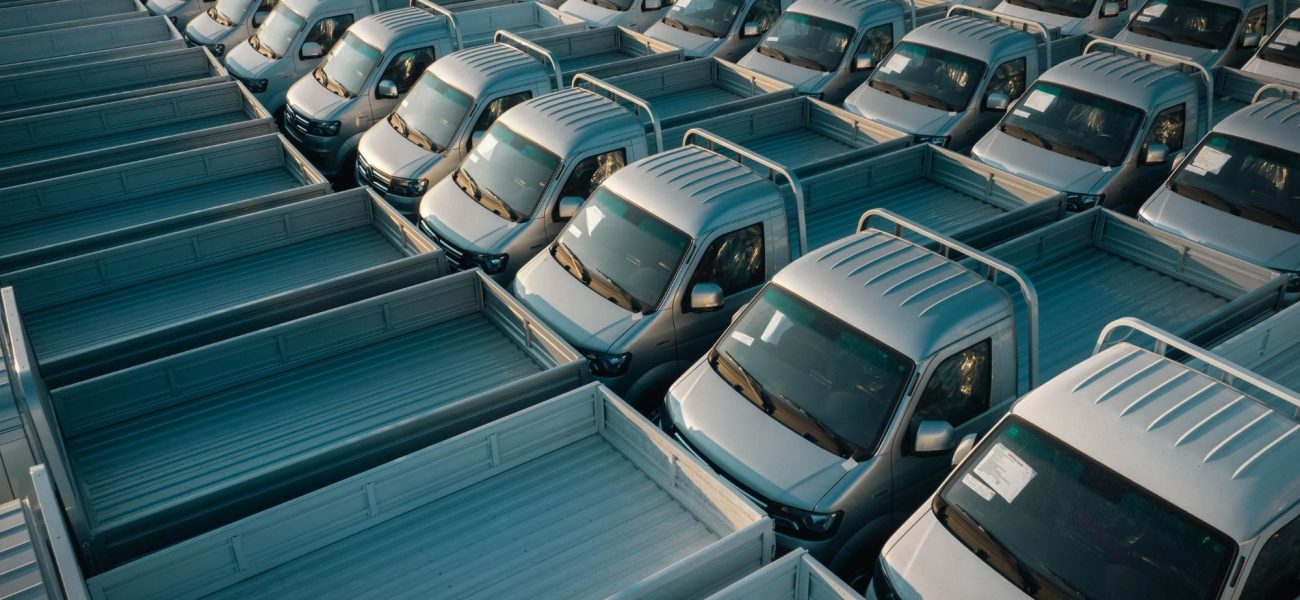
Today, that is beginning to change. Through its Completely Knocked Down (CKD) Vehicle Assembly Policy, Kenya is encouraging automakers to assemble vehicles locally instead of importing them fully built. Recent investments by manufacturers, including new assembly lines for passenger cars, vans, buses, and commercial vehicles, show that the policy is gaining momentum.
But what exactly is CKD assembly, how does the policy work, and why does it matter to motorists? This guide explains the policy, its objectives, its economic impact, and the opportunities and challenges facing Kenya’s growing automotive industry.
What Is a CKD Vehicle?
CKD stands for Completely Knocked Down.
Instead of importing a finished vehicle, manufacturers ship the vehicle as individual components that are assembled at a local factory. These parts typically include:
- Engine
- Transmission
- Chassis
- Suspension
- Body panels
- Interior components
- Electrical systems
- Wheels and tyres
The assembly plant then puts these components together, conducts quality inspections, and prepares the vehicle for sale. Although many components are still imported, local assembly creates manufacturing activity within Kenya and provides opportunities to gradually increase locally sourced parts.
How Does Kenya’s CKD Vehicle Assembly Policy Work?
Kenya’s automotive policy is built around encouraging manufacturers to establish local assembly operations instead of importing fully built vehicles. The government supports this objective through a combination of fiscal incentives, industrial policy, and procurement preferences.
Manufacturers generally follow a process similar to this:
- Vehicle components are imported in CKD kits.
- The kits arrive at licensed local assembly plants.
- Skilled technicians assemble the vehicles according to manufacturer specifications.
- Every vehicle undergoes testing and quality inspections.
- Finished vehicles are distributed through authorised dealerships across Kenya and, in some cases, exported to neighbouring markets.
This approach allows global manufacturers to produce vehicles closer to their target markets while creating local employment and industrial capacity.
Why Did Kenya Introduce the Policy?
Kenya’s long-term industrial strategy aims to transform the country from primarily an importer into a regional manufacturing hub. The CKD policy supports several national objectives:
Creating Employment
Vehicle assembly plants require:
- Engineers
- Technicians
- Welders
- Quality inspectors
- Logistics specialists
- Supply chain professionals
Each new assembly facility creates direct and indirect employment opportunities.
Supporting Industrial Growth
Assembly plants stimulate demand for supporting industries such as:
- Batteries
- Seats
- Glass
- Wiring harnesses
- Tyres
- Plastic components
- Paint products
- Packaging
Over time, increased localisation can strengthen Kenya’s manufacturing ecosystem.
Reducing Import Dependence
Instead of importing every vehicle fully assembled, more value is added within Kenya. This keeps a larger share of automotive spending circulating in the local economy.
Positioning Kenya as a Regional Export Hub
Kenya is strategically located within the East African Community (EAC) and the Common Market for Eastern and Southern Africa (COMESA).
Local assembly plants can potentially supply neighbouring countries, improving economies of scale and strengthening Kenya’s role in regional trade.
What Incentives Does the Government Offer?
To encourage investment, Kenya provides several incentives for approved vehicle assemblers. These may include:
- Preferential tax treatment for qualifying CKD kits
- Industrial investment incentives
- Government procurement preferences for locally assembled vehicles
- Support under the “Buy Kenya, Build Kenya” initiative
- Policies encouraging the gradual localisation of components
The goal is to make local assembly more competitive than importing fully built vehicles.
Which Vehicles Are Assembled in Kenya?
Kenya already assembles a wide variety of vehicles, including:
Passenger Vehicles
- Sedans
- SUVs
- Vans
Commercial Vehicles
- Pick-ups
- Trucks
- Buses
- Minibuses
Special Purpose Vehicles
- Police vehicles
- Ambulances
- Military vehicles
- Utility vehicles
Several global and regional manufacturers have established assembly operations through local partnerships.
Examples include:
- Toyota
- Isuzu
- Volkswagen
- Nissan
- Mitsubishi Fuso
- Scania
- Mobius
- Ashok Leyland
More manufacturers continue to explore local assembly opportunities as the market grows.
How Is CKD Different From Importing Fully Built Vehicles?
| CKD Assembly | Completely Built Unit |
|---|---|
| Imported as parts | Imported fully assembled |
| Local assembly required | No local manufacturing |
| Creates manufacturing jobs | Minimal local production activity |
| Encourages supplier industries | Limited industrial impact |
| Can qualify for government incentives | Typically, fewer manufacturing incentives |
While both types of vehicles can meet the same manufacturer quality standards, their economic impact is very different.
Does Local Assembly Mean Lower Vehicle Prices?
Not necessarily. Many motorists assume locally assembled vehicles should automatically cost less. In reality, pricing depends on several factors:
- Exchange rates
- Shipping costs
- Taxes and duties
- Production volumes
- Local content levels
- Global component prices
If production volumes increase and more components are sourced locally, manufacturers may achieve greater economies of scale, which can improve cost competitiveness over time.
Are Locally Assembled Vehicles Lower Quality?
No. Quality depends on the manufacturer’s standards, not where the vehicle is assembled.
Most global automakers use the same production processes, quality control systems, and testing procedures across their assembly facilities. CKD vehicles are assembled according to strict manufacturer specifications, with technicians receiving specialised training to ensure consistency.
What Challenges Does the Policy Face?
Despite encouraging progress, Kenya’s automotive assembly industry still faces several hurdles.
Limited Production Volumes
Compared to major automotive manufacturing nations, Kenya assembles relatively few vehicles each year. Lower production volumes can increase the cost per vehicle and make it harder to achieve economies of scale.
Heavy Reliance on Imported Components
Many essential parts, including engines, transmissions, and advanced electronics, are still imported. Developing a stronger local supplier base remains a long-term objective.
Competition From Used Vehicle Imports
Kenya imports a significant number of used vehicles annually. These vehicles are often more affordable than new locally assembled models, making it challenging for manufacturers to compete on price.
Access to Vehicle Financing
New vehicles typically require financing, and high borrowing costs can discourage consumers from purchasing locally assembled models. Improved financing options could support stronger demand.
What Does This Mean for Kenyan Motorists?
For consumers, the policy has several potential benefits beyond the purchase price.
These include:
- Better Dealer Support: Locally assembled vehicles often have established dealership networks with manufacturer-backed servicing.
- Improved Parts Availability: As local assembly expands, manufacturers may strengthen spare parts supply chains, reducing waiting times for repairs.
- Faster Model Availability: Programmes can respond more quickly to local demand by assembling vehicles closer to the market.
- Stronger After-Sales Services: Assembly operations often support technician training, service infrastructure, and warranty programmes.
Expert Insight
Automotive economists generally view CKD assembly as an important stepping stone toward deeper industrialisation. Countries with successful automotive industries, including South Africa, Morocco, Thailand, and India, used local assembly as part of a broader strategy that gradually expanded domestic component manufacturing, supplier development, and export capability.
For Kenya, the long-term success of the policy will depend on sustained investment, predictable regulations, competitive financing, infrastructure improvements, and stronger local supplier networks.
Real-World Examples
Recent investments highlight growing confidence in Kenya’s automotive assembly sector. Notable developments include:
- Expansion of local assembly operations by established manufacturers.
- Investment in new assembly lines for passenger and commercial vehicles.
- Increased production of vans, buses, and utility vehicles to serve both domestic and regional markets.
- Continued collaboration between international automakers and Kenyan assembly partners.
These developments demonstrate that manufacturers see long-term potential in Kenya as both a production base and a gateway to the wider East African market.
Frequently Asked Questions (FAQ)
A CKD vehicle is assembled in Kenya using imported components, with the possibility of increasing locally sourced parts over time
Yes. When assembled according to manufacturer standards, CKD vehicles are expected to meet the same quality requirements as vehicles assembled elsewhere.
Building a complete automotive supply chain requires significant investment, specialised industries, and high production volumes. Most emerging automotive markets begin with assembly before expanding local component manufacturing.
Yes. Local assembly helps create jobs, supports manufacturing, develops technical skills, and can stimulate growth among local suppliers.
Greater production volumes, increased localisation and supply chain efficiencies may improve cost competitiveness over time, but prices will continue to be influenced by taxes, exchange rates, financing costs and global component prices.
CN Key Takeaways
- CKD means importing vehicle parts and assembling them locally rather than importing fully built vehicles.
- Kenya’s policy aims to strengthen manufacturing, create skilled jobs, and build a regional automotive industry.
- Local assembly supports supplier development, technical skills, and industrial growth.
- Vehicle quality depends on manufacturer standards, not where assembly takes place.
- Challenges remain, including competition from used imports, limited production volumes, and reliance on imported components.
- Continued investment and greater localisation could strengthen Kenya’s position as an East African automotive hub.
Conclusion
Kenya’s CKD vehicle assembly policy represents more than a manufacturing initiative; it is part of a broader effort to build a resilient automotive industry that creates jobs, develops technical expertise, and adds value within the country.
While local assembly alone will not transform the sector overnight, it lays the foundation for future growth. As production volumes increase, supplier networks mature, and more components are sourced locally, the benefits could extend beyond manufacturers to consumers through improved after-sales support, stronger parts availability, and a more competitive automotive market.
For Kenyan motorists, understanding how CKD assembly works offers valuable context when evaluating locally assembled vehicles and the role they play in shaping the future of mobility in Kenya.






No Comment! Be the first one.