








Understanding the Road Maintenance Levy Fund
But what exactly is the Road Maintenance Levy Fund? How much do motorists contribute? And does the money actually improve Kenya's roads? This guide explains everything Kenyan drivers need to know.

CN Quick Facts
- The Road Maintenance Levy Fund (RMLF) finances the maintenance, rehabilitation, and improvement of roads throughout Kenya.
- Every motorist contributes to the fund whenever they buy petrol or diesel.
- Road conditions directly affect vehicle operating costs, fuel consumption, travel times, and road safety.
- The Road Maintenance Levy Fund plays a critical role in maintaining Kenya’s road network, but motorists continue to demand greater transparency and efficiency in how the money is spent.
Where Your Fuel Money Goes to Maintain Kenya’s Roads
Every Kenyan motorist wants better roads. Whether you’re driving through Nairobi traffic, travelling between counties, transporting goods across the country, or heading out on a road trip, road quality affects your fuel consumption, vehicle maintenance costs, safety, and travel times. Yet many drivers are unaware that every litre of petrol or diesel they buy includes a dedicated charge specifically intended to maintain Kenya’s road network.
What's in this Article
- Where Your Fuel Money Goes to Maintain Kenya’s Roads
- What Is the Road Maintenance Levy Fund?
- What Is the Road Maintenance Levy?
- Why Was the Road Maintenance Levy Fund Created?
- How Much Do Motorists Contribute?
- Why Does the Levy Matter to Drivers?
- Has the Fund Faced Criticism?
- What Benefits Has the Fund Delivered?
- Conclusion
Known as the Road Maintenance Levy (RML), this charge contributes billions of shillings annually to the Road Maintenance Levy Fund (RMLF), one of the country’s largest infrastructure funding mechanisms.
But what exactly is the Road Maintenance Levy Fund? How much do motorists contribute? And does the money actually improve Kenya’s roads? This guide explains everything Kenyan drivers need to know.
What Is the Road Maintenance Levy Fund?
The Road Maintenance Levy Fund is a dedicated government fund established to finance the maintenance and rehabilitation of roads in Kenya.
The fund receives money primarily from the Road Maintenance Levy, a charge imposed on every litre of petrol and diesel sold in the country.
Unlike general taxes that are deposited into the government’s Consolidated Fund, the Road Maintenance Levy is intended specifically for road-related projects.
The principle is straightforward:
Those who use the roads contribute towards maintaining them.
What Is the Road Maintenance Levy?
The Road Maintenance Levy is a fuel charge collected on petrol and diesel products sold in Kenya.
As of 2026, motorists pay:
- KSh 25.00 per litre of petrol
- KSh 25.00 per litre of diesel
The levy is collected through fuel sales and ultimately passed on to consumers through the pump price.
Every time you refuel, a portion of your payment goes directly towards the maintenance of Kenya’s road network.
CN Explained: Levy vs Tax
Many motorists use the terms “tax” and “levy” interchangeably.
However, there is an important difference.
A tax generally contributes to government revenue and can be spent on a wide range of public services.
A levy is usually collected for a specific purpose.
The Road Maintenance Levy is intended specifically to fund road maintenance and related infrastructure projects.
In theory, every shilling collected should support Kenya’s road network.
Why Was the Road Maintenance Levy Fund Created?
Road infrastructure is expensive to maintain.
Road surfaces deteriorate due to:
- Heavy commercial vehicles
- Weather conditions
- Flooding
- Ageing infrastructure
- Increased traffic volumes
Without regular maintenance, roads become more costly to repair and can eventually require complete reconstruction.
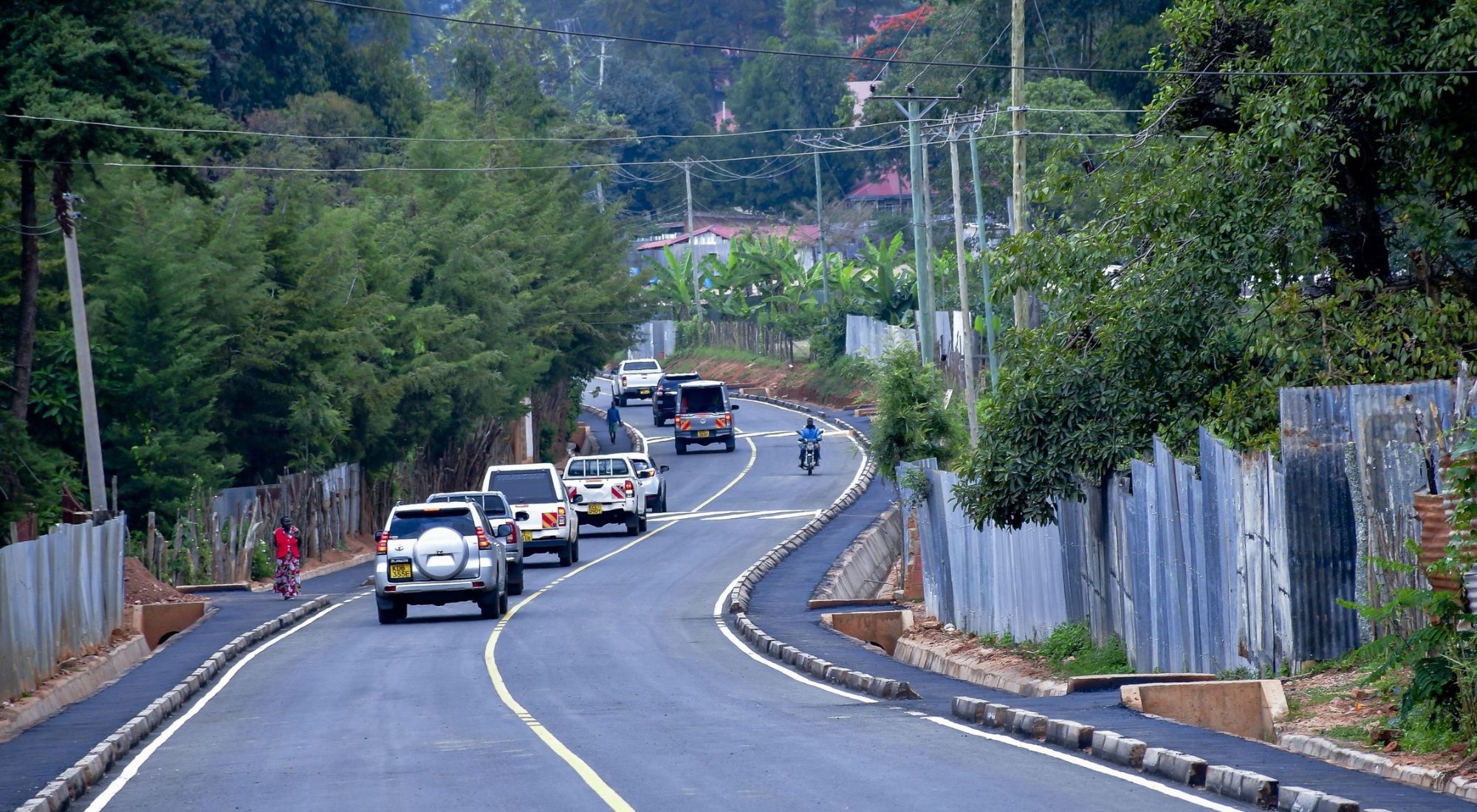
The Road Maintenance Levy Fund was established to provide a reliable and predictable source of funding for routine road maintenance.
This helps reduce dependence on annual government budget allocations.
Who Manages the Road Maintenance Levy Fund?
The fund operates under Kenya’s road sector framework and supports agencies responsible for managing and maintaining roads.
Funds are typically allocated to:
- Kenya National Highways Authority (KeNHA): Responsible for national trunk roads and major highways.
- Kenya Urban Roads Authority (KURA): Responsible for roads within urban areas and municipalities.
- Kenya Rural Roads Authority (KeRRA): Responsible for rural and secondary roads throughout the country.
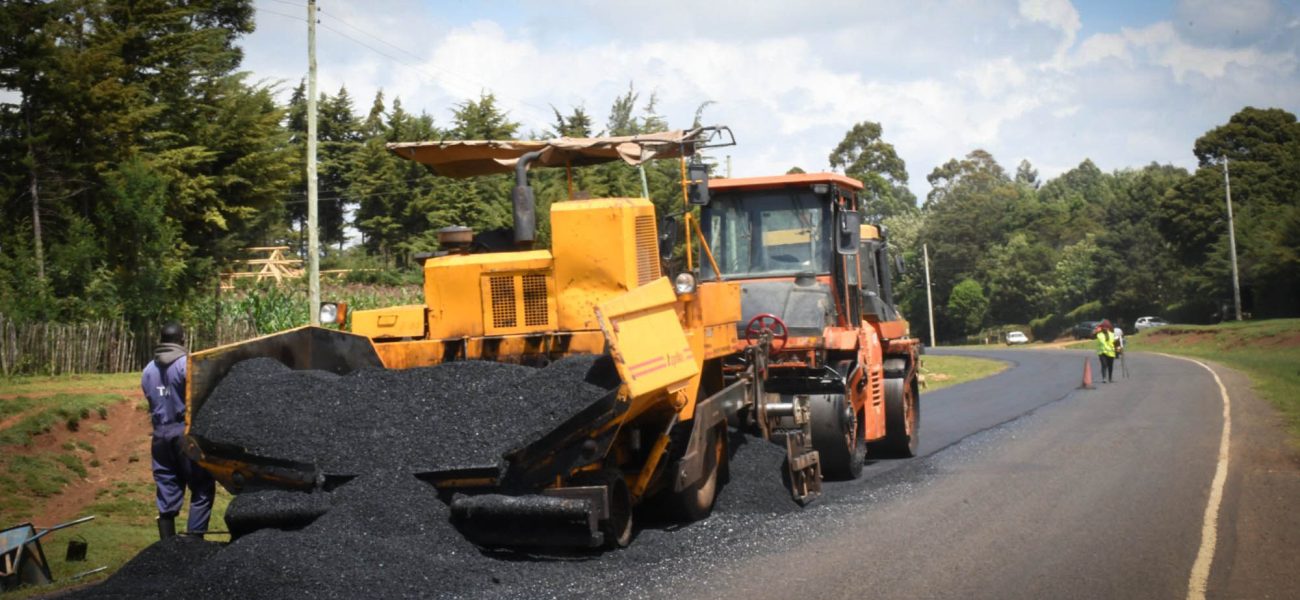
These agencies use allocated funds for maintenance, rehabilitation, drainage improvements, bridge repairs, and other infrastructure projects.
CN Explained: Routine Maintenance vs Road Construction
Many motorists assume the Road Maintenance Levy Fund builds new highways.
In reality, most of the money is used for maintaining existing roads.
Routine Maintenance
Includes:
- Pothole repairs
- Drainage cleaning
- Road marking
- Vegetation control
- Shoulder repairs
Periodic Maintenance
Includes:
- Resurfacing roads
- Strengthening pavements
- Major rehabilitation works
New Road Construction
New highways and large infrastructure projects are often funded separately through government budgets, loans, grants, or public-private partnerships.
How Much Do Motorists Contribute?
Because the levy is charged per litre, contributions depend on fuel consumption.
Example 1: Private Motorist
50-litre tank × KSh 25.00
= KSh 1,250
Every full tank contributes KSh 1,250 towards the Road Maintenance Levy Fund.
Example 2: Monthly Commuter
200 litres per month × KSh 25.00
= KSh 5,000
Example 3: Commercial Fleet Vehicle
1,000 litres per month × KSh 25.00
= KSh 25,000
For transport operators and logistics companies, the levy represents a significant operating cost.
Why Does the Levy Matter to Drivers?
Many motorists focus only on fuel prices, but road quality often has an even bigger impact on vehicle ownership costs.
Well-maintained roads can reduce:
- Suspension damage
- Tyre wear
- Fuel consumption
- Vehicle downtime
- Accident risks
Poor roads often result in:
- Increased maintenance costs
- Longer travel times
- Higher fuel consumption
- Faster vehicle depreciation
In this sense, the levy is effectively an investment in the infrastructure motorists depend on every day.
Has the Fund Faced Criticism?
Like many public funds, the Road Maintenance Levy Fund has faced scrutiny over the years.
Common concerns raised by motorists, industry groups, and policymakers include:
- Road Conditions: Many drivers question why some roads remain in poor condition despite substantial levy collections.
- Accountability: There are periodic calls for greater transparency regarding how funds are allocated and spent.
- Growing Levy Rates: As fuel prices increase, motorists often debate whether the levy provides sufficient value relative to the costs they bear.
These concerns have fuelled ongoing discussions about efficiency and oversight within Kenya’s road sector.
What Benefits Has the Fund Delivered?
Despite criticism, the Road Maintenance Levy Fund remains one of the primary funding sources for road maintenance nationwide.
The fund has supported:
- Highway maintenance programmes
- Urban road improvements
- Rural access roads
- Bridge rehabilitation projects
- Road safety initiatives
- Drainage and flood mitigation works
Without a dedicated maintenance fund, many roads would likely deteriorate much faster.
Frequently Asked Questions
It is a dedicated fund that finances road maintenance and rehabilitation projects across Kenya.
Motorists currently pay KSh 25.00 per litre of petrol and diesel.
Primarily, the fund supports maintenance and rehabilitation of existing roads rather than major new road construction projects.
All road users benefit through improved road conditions, increased safety, and lower vehicle operating costs.
Fuel consumption is used as a practical way of ensuring road users contribute towards maintaining the infrastructure they use.
CN Key Takeaways
✔ Every litre of petrol and diesel sold in Kenya includes a Road Maintenance Levy.
✔ The levy currently stands at KSh 25.00 per litre.
✔ Funds collected support road maintenance and rehabilitation projects.
✔ Better roads can reduce vehicle operating and maintenance costs.
✔ The levy is one of the largest charges included in Kenya’s fuel pricing structure.
✔ Motorists contribute billions of shillings annually through the fund.
✔ Transparency and efficient utilisation remain important public concerns.
Conclusion
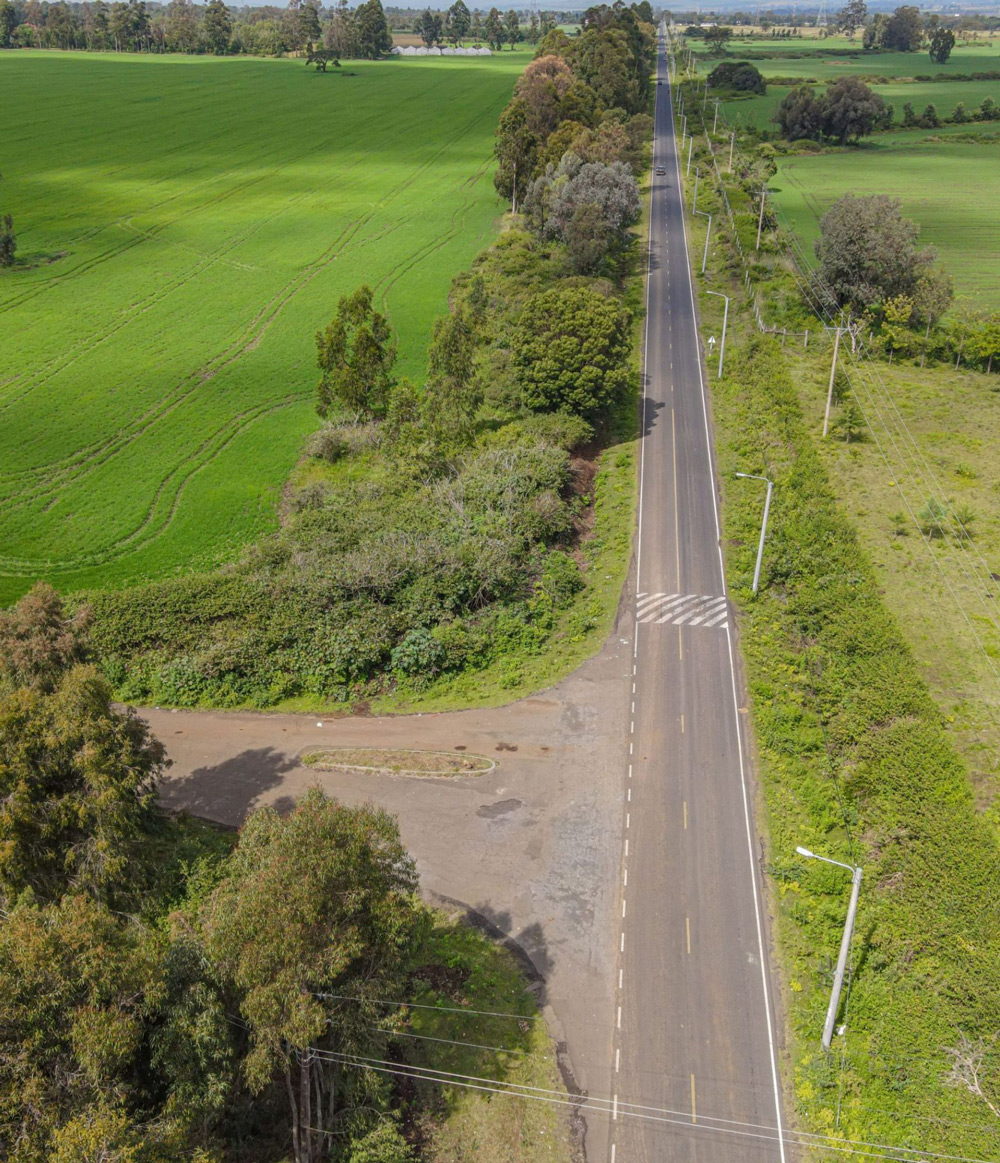
The Road Maintenance Levy Fund is one of the most important yet least understood components of Kenya’s transport infrastructure system.
Every motorist contributes towards it whenever they purchase fuel, making it a direct investment in the country’s road network.
While debates continue over accountability and value for money, the fund remains a critical source of financing for maintaining highways, urban roads, and rural access routes across Kenya.
Understanding how the levy works helps motorists better appreciate where their fuel money goes and why road funding remains a major national issue.
Continue Reading on CarNews KE
- What Is the Petroleum Development Levy?
- Understanding Kenya’s Fuel Pricing Formula
- How EPRA Determines Fuel Prices in Kenya
- Join the CarTalk KE Forum and Share Your Views on Road Infrastructure





No Comment! Be the first one.