






F1 Returns to Africa: What Rwanda’s Grand Prix Means
Formula One is heading back to Africa. Here is what the sport is, how it became a global giant, what makes its cars so extraordinary, and what Rwanda's deal means for Kenya.

CN Quick Facts
- Announcement: 13 October 2026, Kigali, Rwanda
- Deal: 10-year agreement to host the Formula 1 African Grand Prix
- Start date: “The early 2030s”, once the new circuit is complete (no race date announced yet)
- Venue: A purpose-built circuit at Bugesera, about 40 kilometres south of Kigali, near a new international airport under construction
- Last F1 race in Africa: 1993 South African Grand Prix at Kyalami, won by Alain Prost
- Governing body: FIA (Fédération Internationale de l’Automobile)
- World Championship founded: 1950
- 2026 grid: 11 teams, including new entrants Audi and Cadillac
- Engine formula: 1.6-litre V6 turbo hybrid, redesigned for 2026
What is Formula One and How Does a Race Weekend Work?
Formula One (F1) is the highest class of international single-seater motor racing. It is run under rules set by the FIA (Fédération Internationale de l’Automobile), with the commercial side managed by the Formula One Group. Every season, teams build their own cars within strict technical and financial rules, and drivers compete across a calendar of Grands Prix around the world for two titles: the Drivers’ Championship and the Constructors’ Championship.
What's in this Article
- What is Formula One and How Does a Race Weekend Work?
- How Did Formula One Grow into a Worldwide Sport?
- What is an F1 Car, and How is it Different from a Road Car?
- What Has Changed in the 2026 Season?
- What Did Formula One Announce About Rwanda?
- Why Did F1 Leave Africa, And When Did it Last Race Here?
- What Does an African Grand Prix Mean for Kenya?
- What Happens Next?
- Conclusion
A typical race weekend runs across three days:
- Practice: Drivers test the car and the circuit, and teams collect data.
- Qualifying: A knockout session that sets the starting grid. The fastest lap earns pole position.
- The race: Usually around 300 kilometres of racing, lasting up to about two hours depending on the circuit.
- Sprint weekends: On selected weekends, a shorter Saturday sprint race awards extra points before the main Grand Prix on Sunday.
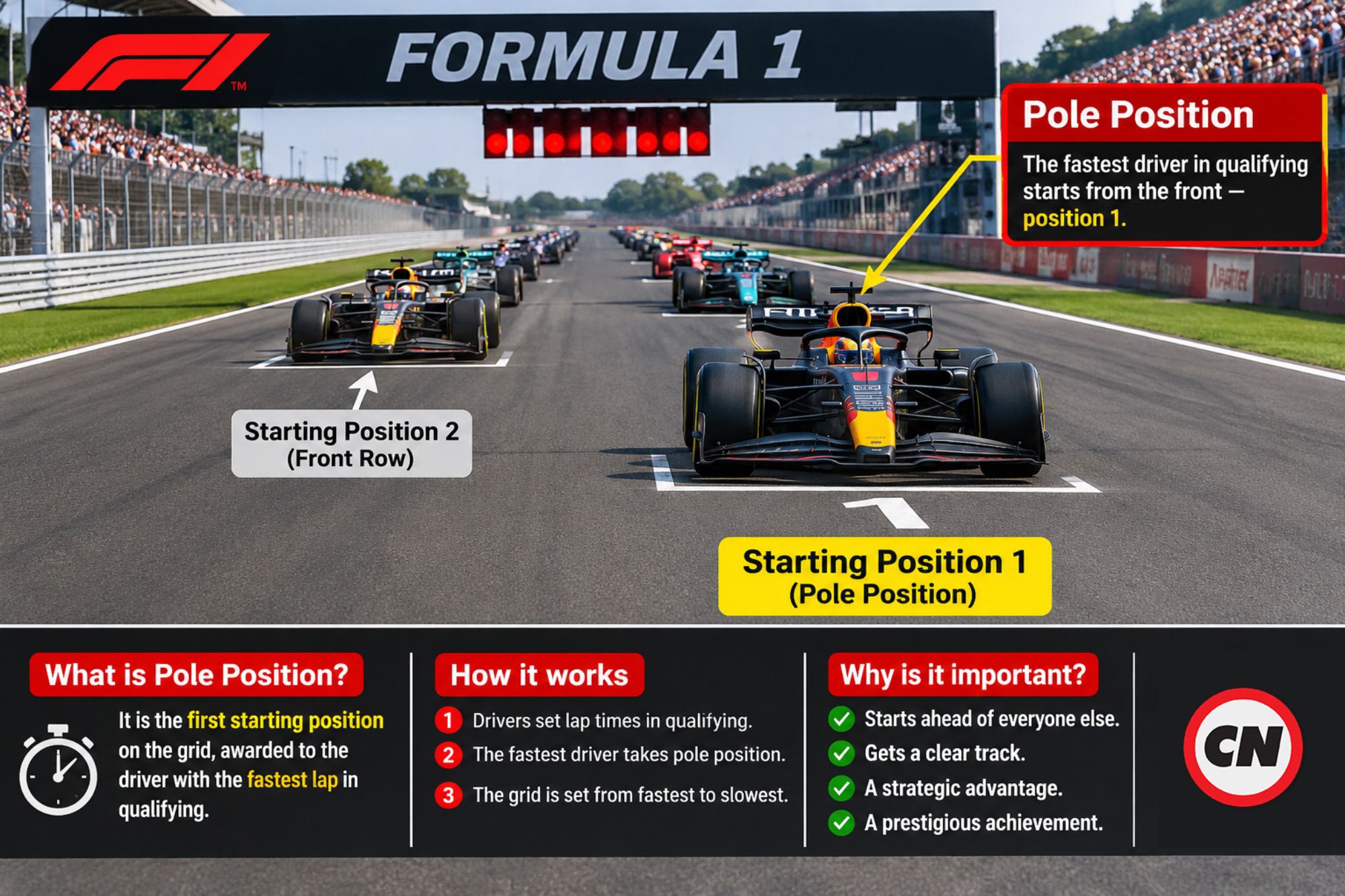
Points go to the top ten finishers in the Grand Prix, with 25 for a win. The driver with the most points at the end of the season is crowned world champion, and the team with the most combined points takes the Constructors’ title.
CN Explained
Drivers who finish in the top 10 in any given race score points for both themselves and their teams. At the end of the season, the individual and team with the most points are named champions. In the event of a tie, the teams and drivers with the most wins in the season are ranked higher.
F1 points system overview
A driver earns points for finishing in the top ten of a Grand Prix, and in the top eight of a sprint race. Those points decide two separate championships at the end of the season.
Grand Prix and sprint points
Finishing Position Grand Prix Points Sprint Race Points 1st 25 8 2nd 18 7 3rd 15 6 4th 12 5 5th 10 4 6th 8 3 7th 6 2 8th 4 1 9th 2 0 10th 1 0 A driver who wins both the sprint and the Grand Prix on the same weekend takes the maximum of 33 points. Since 2025 there is no bonus point for the fastest lap, so points come only from finishing position.
The Drivers’ Championship
Every point a driver scores in a Grand Prix or sprint counts towards the Drivers’ Championship. The driver with the most points at the end of the season is world champion. If two drivers finish level on points, the title goes to the one with more race wins, then more second places, and so on.
The Constructors’ Championship
The Constructors’ Championship is the team title. A team’s total is the combined points of both its drivers, from Grands Prix and sprints. This is why a team can win the Constructors’ title even if neither of its drivers wins the Drivers’ title.
What if a race is cut short?
If a race is stopped early, for example by weather, the points shrink according to how much of the race was completed. After a certain distance the full points are awarded, and below that a reduced scale applies. If the race is stopped before the leader completes two laps, no points are awarded.
How does a driver clinch the title early?
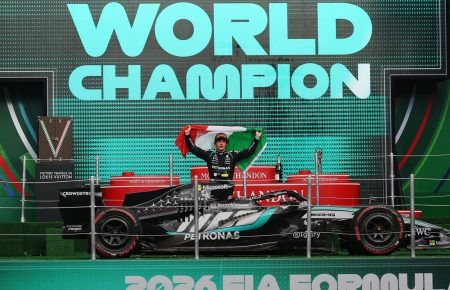
A title is decided once the leader’s gap over the nearest rival is bigger than the maximum points still available to that rival. This is why the 2026 championship leader, Kimi Antonelli, could be crowned before the final race of the season. With several rounds remaining after Singapore and no more sprint weekends, the points still available are mostly from Grand Prix wins at 25 each.
How Did Formula One Grow into a Worldwide Sport?
The first official World Championship race took place at Silverstone in Britain in 1950, and the sport stayed largely European for decades. Three shifts turned it into a global business.
Television and commercialisation. From the 1970s, the sport’s commercial rights were consolidated and sold to broadcasters around the world, turning a European series into a worldwide TV product.
New owners and new audiences. Liberty Media acquired Formula One in 2017 and pushed hard on digital media, social platforms and the United States market. The Netflix series Drive to Survive, which began in 2019, brought a younger and far larger global audience.
A wider calendar. Races now run across Europe, the Americas, the Middle East and Asia, including street races in cities such as Singapore, Miami and Las Vegas. The 2026 season also added a new street race in Madrid and two new teams, Audi and Cadillac, taking the grid to 11 teams and 22 cars.
Africa, however, has been missing from that expansion. That is the gap Rwanda’s deal is meant to close.
What is an F1 Car, and How is it Different from a Road Car?
An F1 car is a purpose-built racing machine, closer to a fighter jet on wheels than to anything you would see on the Nairobi Expressway. The differences come down to a few key areas, which we will break down in depth in our next feature, Inside the F1 Car.
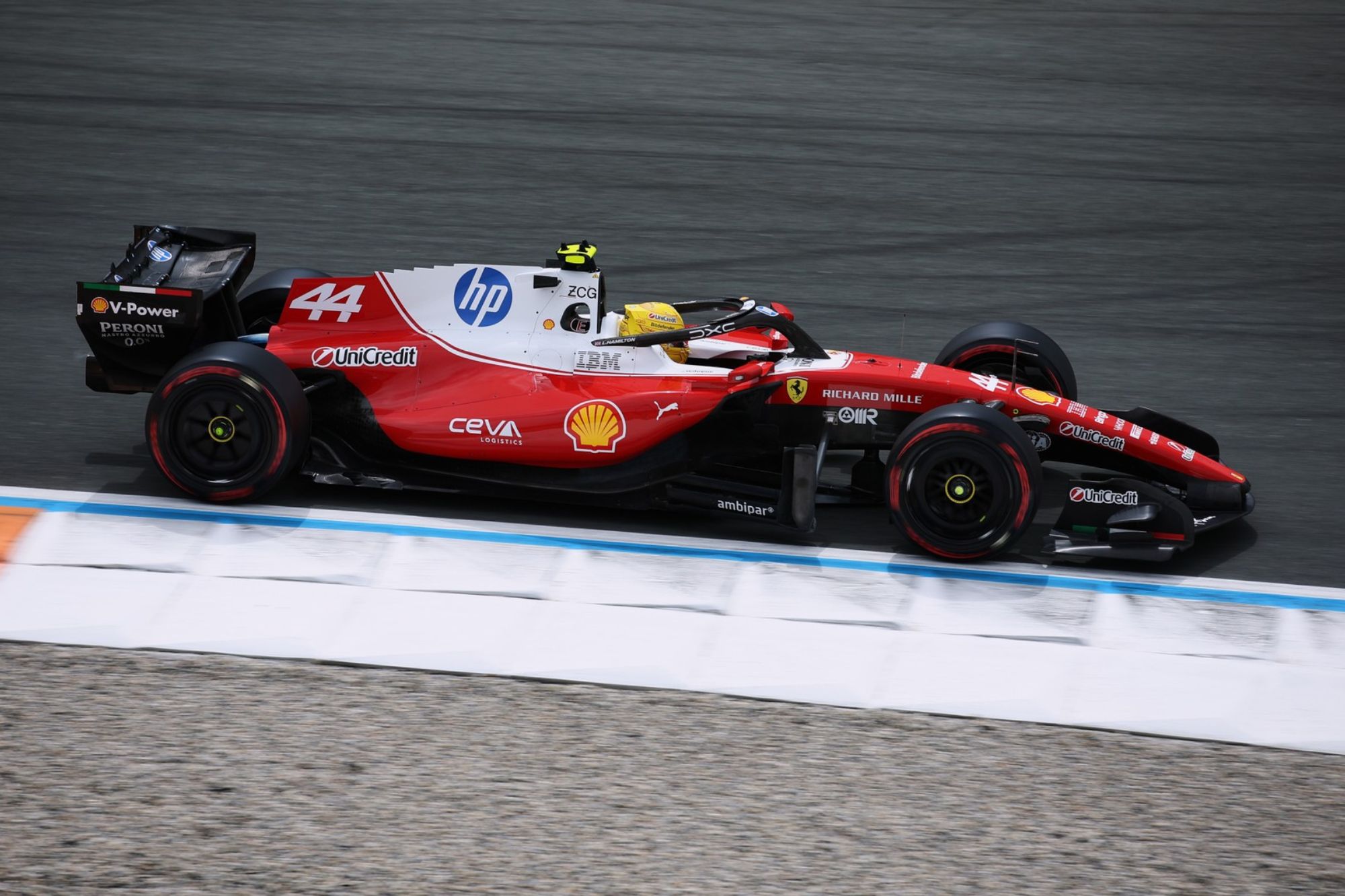
- Power unit: A 1.6-litre V6 turbocharged engine paired with a powerful hybrid electrical system. A road car’s engine is built for durability over hundreds of thousands of kilometres; an F1 power unit is built for maximum performance.
- Aerodynamics: Wings, the floor and the bodywork push the car into the track, a force known as downforce, which allows cornering speeds that a road car cannot reach.
- Chassis and safety: A carbon-fibre survival cell, the halo protection device over the cockpit, and impact structures designed to absorb extreme crashes.
- Tyres and brakes: Pirelli supplies all teams with tyres, and carbon brakes bring the car down from over 300 km/h to a fraction of that in a few seconds.
- Weight: An F1 car is far lighter than a road car and carries almost no spare mass.
In short, nothing on an F1 car is there for comfort. Every part exists to make the car go faster for longer.
What Has Changed in the 2026 Season?
2026 is the biggest rules reset in years. The new regulations bring:
- Smaller, lighter cars, designed to be more agile
- A new power unit balance, with a much larger share of power coming from the electric side and the MGU-H (Motor Generator Unit-Heat) heat-recovery component removed
- Fully sustainable fuel
- Active aerodynamics, where wings adjust on the straights and in corners, replacing the old Drag Reduction System (DRS)
- New manufacturers and teams: Audi and Cadillac have joined the grid, and other manufacturers have formed new engine partnerships
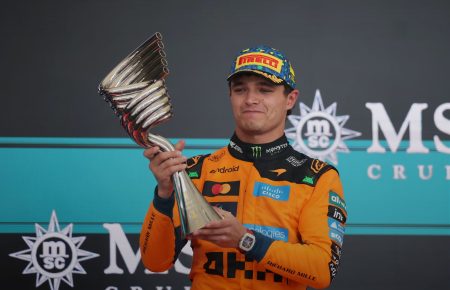
On track, Mercedes has dominated 2026. After the Singapore Grand Prix, Mercedes led the Constructors’ Championship, and the Drivers’ Championship was led by 20-year-old Italian Kimi Antonelli, who can mathematically clinch the title at the next race in the United States on 25 October.
What Did Formula One Announce About Rwanda?
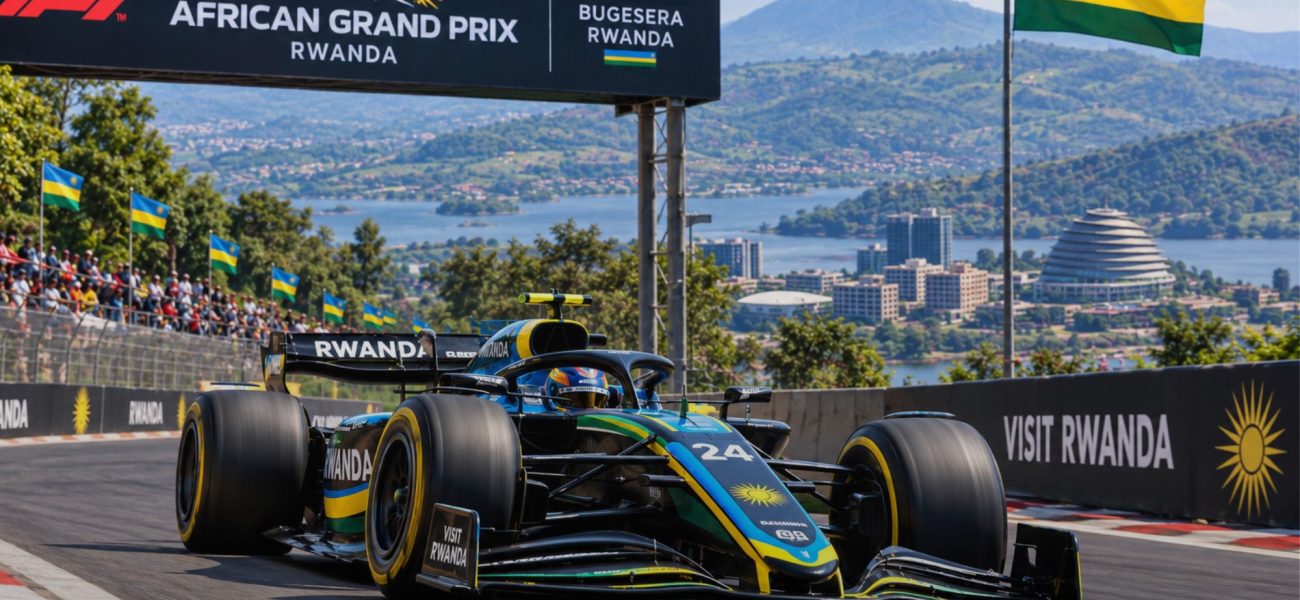
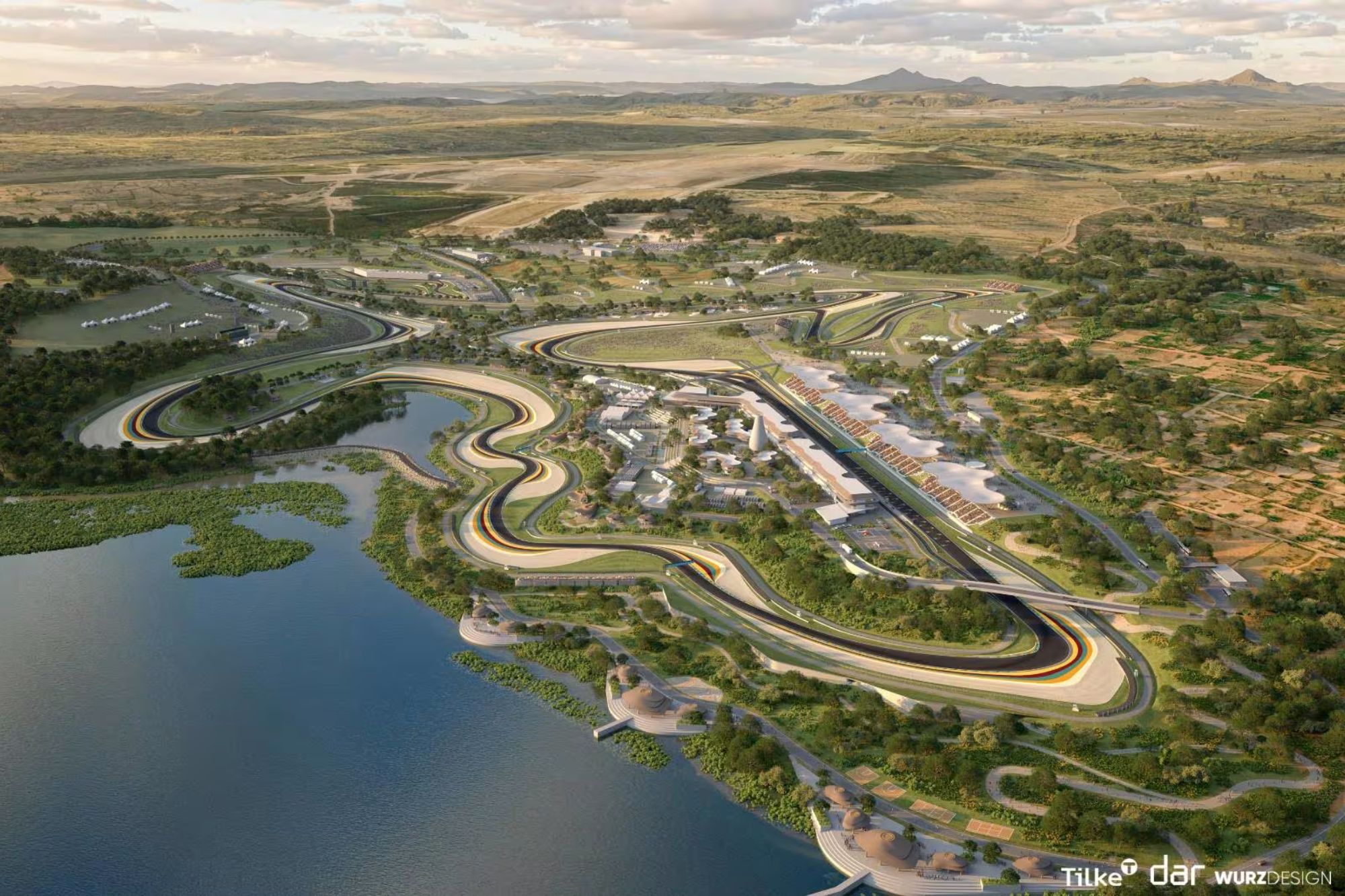
On 13 October 2026, Formula One announced a 10-year agreement with Rwanda to host the Formula 1 African Grand Prix, presented by Visit Rwanda. The race will join the calendar once a new purpose-built circuit in Bugesera is completed, which F1 says should happen early in the next decade.
Key Details
- Location: Bugesera, around 40 kilometres south of Kigali, next to the new international airport under construction
- Circuit design: Reports say the track is being designed by the firm of former Austrian driver Alex Wurz
- Background to the bid: President Paul Kagame announced Rwanda’s bid in December 2024 at an FIA gathering in Kigali
- What is not yet known: F1 has not announced an inaugural race date, construction milestones or race-weekend plans
- Reaction: F1 chief executive Stefano Domenicali called it a landmark moment, noting the sport will now race on every inhabited continent. President Kagame of Rwanda said the day belonged to Africa.
Seven-time world champion Lewis Hamilton has long campaigned for an African Grand Prix, and Rwanda says the project is about jobs, skills, tourism and investment as much as racing.
Why Did F1 Leave Africa, And When Did it Last Race Here?
Background. Africa has hosted World Championship races before. South Africa staged its Grand Prix on and off from the 1960s, and Morocco hosted a round in 1958. The last race on the continent was the 1993 South African Grand Prix at Kyalami, won by Alain Prost.
The continent has been absent from the calendar for more than three decades since. Rwanda will become the third African country to host a World Championship round. South Africa has also pursued a return, and its sports minister has said that bid should not be written off.
What Does an African Grand Prix Mean for Kenya?
For Kenya, Rwanda’s deal is both an opportunity and a challenge.
- A regional motorsport lift. Kenya already has a proud motorsport identity through the Safari Rally Kenya on the World Rally Championship (WRC) calendar and the Kenya National Rally Championship (KNRC). An F1 race in the region could widen interest in circuit racing and attract fresh sponsors and fans to East African motorsport.
- Travel and tourism flows. Kigali is a short flight from Nairobi. When the race arrives, Kenyan fans, tour operators, airlines and hotels are natural beneficiaries of cross-border demand, and packages that combine a Grand Prix with a safari or coast holiday are an obvious product.
- Pipeline and facilities. The harder question is talent and infrastructure. Kenya has strong rally culture but few options for young drivers to progress through karting and circuit racing, and no permanent FIA-graded circuit. Rwanda’s investment will put pressure on Kenya to decide whether it wants to compete for similar events.
- The cost question. Hosting an F1 race is expensive. Rwanda’s wager is that tourism, airport traffic and international exposure will repay the investment over a 10-year term. Kenya’s own sports tourism strategy will need to take that model seriously and decide what it can realistically bid for.
What Happens Next?
- Circuit construction: Watch for announcements on groundbreaking, design approval and FIA circuit licensing at Bugesera.
- Race date: F1 has not named a first race year. “Early 2030s” is the only guidance so far.
- The 2026 season: Six rounds remain after Singapore, beginning with the United States Grand Prix on 25 October and followed by Mexico City, Brazil, Las Vegas, Qatar and Abu Dhabi. Antonelli could clinch the Drivers’ title as early as Austin.
- South Africa’s bid: Whether F1 eventually adds a second African race remains to be seen.
- Next in our series: CarNews KE’s Inside the F1 Car explains what makes these machines so fast.
Conclusion
Formula One’s decision to return to Africa marks a defining moment for African motorsport. Rwanda still needs to build the circuit and deliver the race, and many details have yet to be announced. But the commitment spans ten years, repositioning East Africa on the global motorsport stage following its involvement in the WRC. For Kenyan fans and the local industry, the next step is to follow developments, learn more about the sport, and consider how this regional milestone could benefit the wider motorsport ecosystem.
Join the Conversation
💬 Do you follow the Formula One (F1) World Championships? And how do you feel about the return to Africa? Share your views in the comments or join the conversation on the CarTalk KE Forum and follow CarNews KE for the latest motorsport updates.




No Comment! Be the first one.