








Uber, Bolt, Glovo, Little Must Track Every Parcel in Kenya
CN Quick Facts Kenya’s app-based courier platforms have just over three weeks to change how they handle parcels. From 20 September 2026, digital delivery operators, including Uber, Bolt, Glovo...

CN Quick Facts
- New CA operating conditions for app-based courier platforms will affect Uber, Bolt, Glovo, Little (and their riders/drivers) starting 20 September 2026
- July 2026 License category (Courier Hailing Service Provider, 10-year term). Fees include a KSh5,000 application fee
- New requirements include sender/recipient verification, declared contents, real-time tracking, and records on request to CA/KRA/police
- Riders can decline suspicious parcels and report them to police
- Riders cannot routinely open parcels; only on suspicion of prohibited goods or a KRA order
- Compensation window: 90 days to file a complaint for lost/damaged/delayed parcels
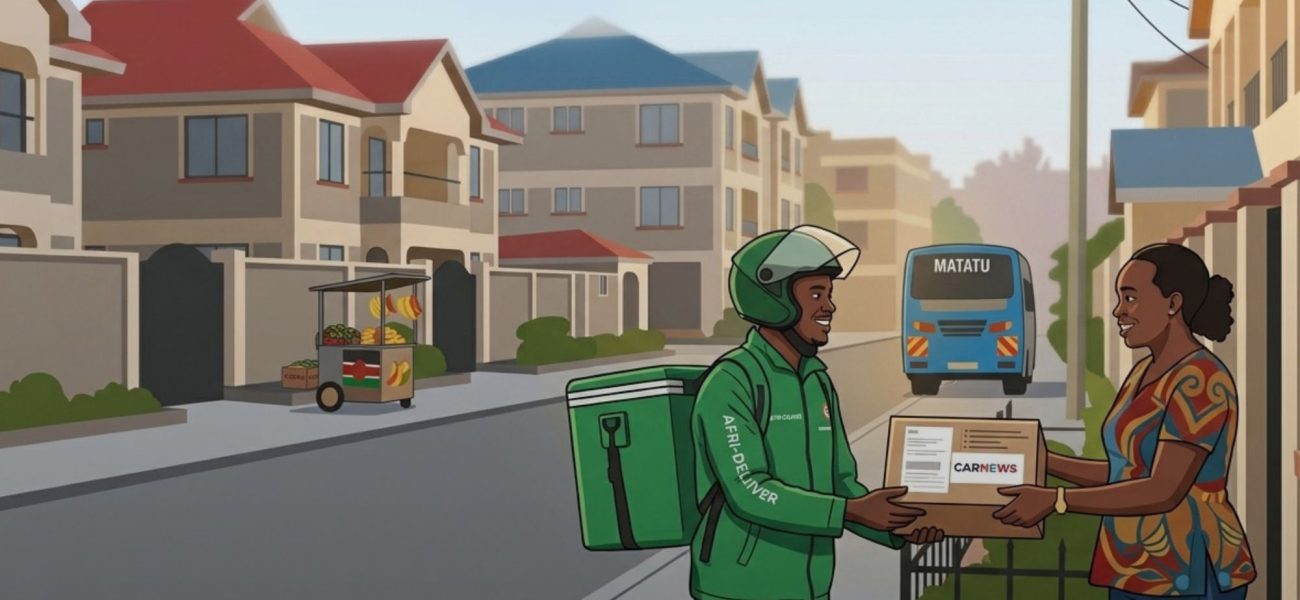
Kenya’s app-based courier platforms have just over three weeks to change how they handle parcels. From 20 September 2026, digital delivery operators, including Uber, Bolt, Glovo and Little, will be required to record and verify parcel contents, confirm sender and recipient identities, and track deliveries in real time. This is under new operating conditions issued by the Communications Authority of Kenya (CA).
What's in this Article
- What Has the CA Ordered?
- Key Details: What Must Platforms Do?
- Will Riders Open My Parcel?
- Why Does this Matter to Kenyan Motorists and Sellers?
- How Does Compensation Work Under the New Rules?
- What Items are Already Restricted?
- Is Uber Seeking a Bigger Courier Role?
- What Should Senders Do Before 20 September?
- What’s Next?
For Kenyan motorists and riders who make a living on these platforms, and for the growing number of people using them to send documents or online purchases, this marks the most significant tightening yet of how app-based courier work is regulated.
What Has the CA Ordered?
The conditions require each platform to build systems that capture and verify the details of the sender and recipient before a parcel moves. Senders must be able to declare what is inside, and courier agents must be able to check that declaration.
Platforms must also keep delivery records and hand them to the CA, Kenya Revenue Authority (KRA), or police when asked. The rules apply to every parcel the platform handles.
Key Details: What Must Platforms Do?
Under the incoming conditions, platforms must:
- Verify the identity of the sender and recipient before a parcel moves
- Let senders declare parcel contents, with a way for courier agents to check the declaration
- Track parcels in real time until delivery
- Keep delivery records and produce them to the CA, KRA or police on request
- Display a schedule of prohibited items
- Let riders decline parcels that look unsafe or suspicious, and report them to police
Will Riders Open My Parcel?
Not as a routine. Verification is meant to happen without opening the package.
A parcel can be opened only where there is suspicion of prohibited goods, or where a KRA official specifically orders it. Riders can also refuse a parcel that looks suspicious and hand it back to the sender.
Why Does this Matter to Kenyan Motorists and Sellers?
For riders and drivers, the work changes from an informal extension of ride-hailing into a formally tracked courier service. Riders will need to follow the platforms’ verification steps, and they now have a clear right to turn down a parcel that looks wrong.
For customers, sending a parcel will take a few extra steps. You will need to give accurate sender and recipient details and declare the contents.
For online sellers, the impact is bigger. Many Kenyan sellers advertise on WhatsApp or Instagram and use app riders for last-mile delivery. Each of those deliveries will now produce a record linking the seller, the buyer, the parcel and the journey.
CN Insights: What does this mean for KRA visibility?
The records give regulators a clearer view of commercial activity that often sits outside formal channels. Regular sellers should expect their delivery history to work like a compliance record.
The CA has said records are held by the platforms and requested by agencies when there is cause. Parcel details do not flow automatically to a government desk.
How Does Compensation Work Under the New Rules?
Platforms must compensate customers for parcels that are lost, delayed or damaged, provided the customer files a complaint within 90 days.
Compensation does not apply if:
- The parcel held prohibited goods
- The contents were not declared
- The recipient already confirmed receipt
- Either party made a false declaration
In practice, an accurate declaration now protects your right to a payout.
What Items are Already Restricted?
The CA will require a schedule of prohibited items on each platform. Some platforms already have their own limits. According to the Nairobi Law Monthly, Uber and Glovo currently ban weapons and ammunition, stolen goods, cannabis, cash and pharmaceutical drugs, unless the pickup or drop-off point is a licensed pharmacy or hospital. Bolt does not allow items valued above KSh 15,000.
CN Explained: What is a Courier Hailing Service Provider Licence?
It is a 10-year CA licence created in July 2026 for digital platforms that connect customers with courier services. It separates apps like Uber, Bolt, Glovo and Little from traditional courier companies. According to Business Daily, the licence rules took effect on 29 July, based on a Kenya Gazette notice.
Until then, Uber, Bolt and Little ran their delivery businesses under the National Courier Operator licence.
July created the category. The 20 September conditions are the compliance rules attached to it.
Is Uber Seeking a Bigger Courier Role?
Yes. Uber Kenya has applied for its own National Courier Operator licence. If approved, it would let Uber collect, transport and deliver parcels nationally, putting it in more direct competition with established operators such as the Postal Corporation of Kenya.
That application is still pending and is not part of the 20 September changes.
What Should Senders Do Before 20 September?
- Keep accurate sender and recipient details ready when booking a delivery
- Check the platform’s prohibited-items list before handing over a parcel
- Declare parcel contents honestly, as false declarations can cancel compensation
- If you sell online, start keeping your own dispatch records now
What’s Next?
The conditions take effect on 20 September 2026. Watch for each platform’s updated app flow, its prohibited-items list and any rider guidance. The outcome of Uber’s national courier licence application is also still to come.
Join the Conversation
💬 What do you think about the new rules for app-based parcel deliveries? Share your views in the comments or join the conversation on the CarNews Forum. Follow CarNews KE for the latest automotive news.









No Comment! Be the first one.