









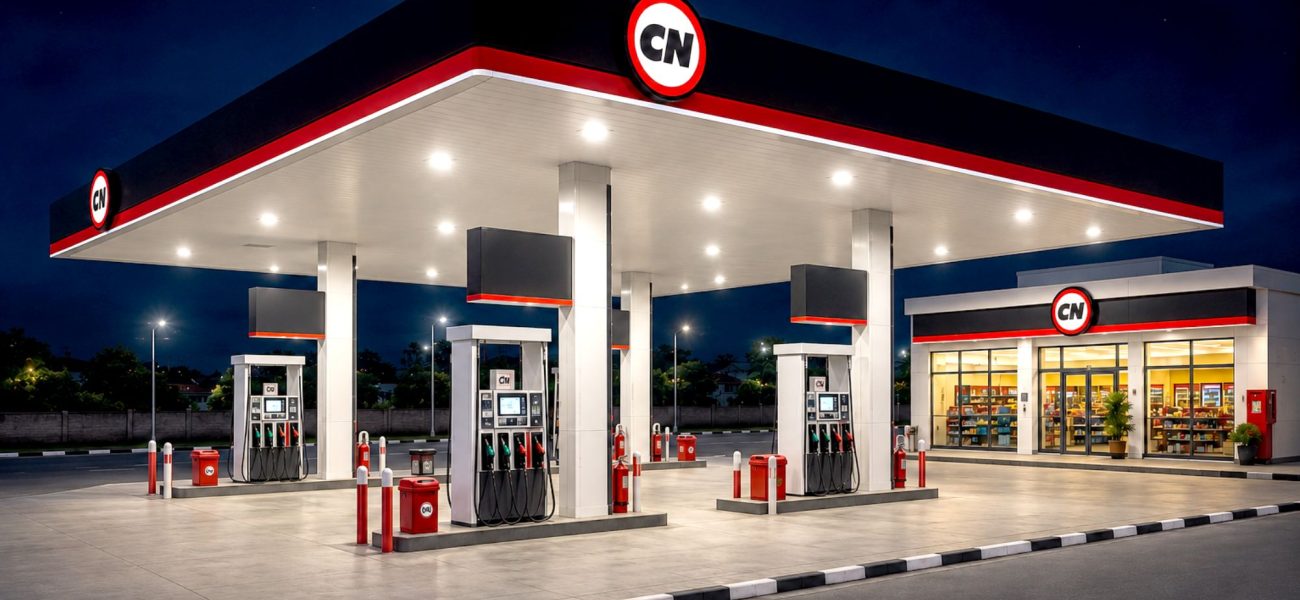
EPRA February 2026 Fuel Price Update
EPRA has reduced Kenya's February 2026 fuel prices. See the new Nairobi Petrol, Diesel and Kerosene prices and what the cuts mean for motorists.

CN Quick Facts
Fuel Price Overview in Nairobi:
| Fuel | New Price | Change |
|---|---|---|
| Super Petrol | KSh 178.28/L | ▼ KSh 4.24 |
| Diesel | KSh 166.54/L | ▼ KSh 3.93 |
| Kerosene | KSh 152.78/L | ▼ KSh 1.00 |
Previous prices – 15 January to 14 February 2026:
- Super Petrol: KSh 182.52 per litre
- Diesel: KSh 170.47 per litre
- Kerosene: KSh 153.78 per litre
The February reduction is the second successive monthly fuel price cut in 2026, with Super Petrol recording the largest reduction at KSh 4.24 per litre.
What's in this Article
- Petrol, Diesel and Kerosene Prices Fall
- Why Have Fuel Prices Fallen in February 2026?
- What Taxes Are Included in the February Fuel Prices?
- What’s Behind the February 2026 Fuel Prices?
- What are the Fuel Prices Across Kenya?
- What Does the February Fuel Price Cut Mean for Motorists and the Economy?
- How Do February 2026 Fuel Prices Compare With Previous Months?
- Fuel Tips for Car Owners – Maximise Every Drop
- What Should Motorists Watch in the Next EPRA Review?
Petrol, Diesel and Kerosene Prices Fall
Kenyan motorists will pay less for fuel during the February 2026 pricing cycle after the Energy and Petroleum Regulatory Authority (EPRA) reduced the maximum retail prices of Super Petrol, Diesel and Kerosene.
The new prices take effect at midnight on 15 February 2026 and remain in force until 14 March 2026. Super Petrol has fallen by KSh 4.24 per litre, Diesel by KSh 3.93, while Kerosene has dropped by KSh 1.00 per litre.
In Nairobi, Super Petrol now retails at a maximum of KSh 178.28 per litre, Diesel at KSh 166.54, and Kerosene at KSh 152.78. The reductions follow lower landed costs for imported petroleum products during the review period.
Why Have Fuel Prices Fallen in February 2026?
The February reductions are mainly linked to lower costs of imported petroleum products.
EPRA reported that the average landed cost of imported Super Petrol fell by 2.69%, from US$592.24 per cubic metre in December 2025 to US$576.34 per cubic metre in January 2026.
Diesel recorded a larger decline of 6.37%, with its landed cost falling from US$626.75 to US$586.80 per cubic metre. Kerosene declined by 1.44%, from US$607.55 to US$598.82 per cubic metre.
Kenya imports its petroleum products in refined form. The products are traded on international markets using global pricing benchmarks and are denominated in US dollars, meaning international petroleum prices and the exchange rate both influence the cost of fuel in Kenya.
CN Explained
The landed cost refers to the cost of bringing imported petroleum products into Kenya before domestic distribution costs, margins, taxes and levies are added to the final retail price.
When the landed cost falls, it can create room for lower pump prices, although other parts of the petroleum pricing formula can affect the final amount paid by motorists.
In the February review, the reduction in landed costs was particularly significant for Diesel, which recorded a 6.37% decline.
What Taxes Are Included in the February Fuel Prices?
The February 2026 prices announced by EPRA include applicable taxes and levies.
The prices include 16% Value Added Tax (VAT) in line with the Finance Act 2023 and the Tax Laws (Amendment) Act 2024. They also include revised excise-duty rates adjusted for inflation under Legal Notice No. 194 of 2020.
EPRA’s petroleum pricing regulations are designed to cap retail prices for petroleum products already in the country, allowing importers and other businesses to recover prudently incurred costs while maintaining reasonable prices for consumers.
This means changes in international oil prices do not automatically translate into an equal change at the pump. Landed costs, exchange rates, taxes, levies, distribution costs and other components all contribute to the final retail price.
What’s Behind the February 2026 Fuel Prices?
EPRA’s February adjustment was influenced by several key factors:
- Global Crude Prices – Murban Crude Oil, an important international benchmark used in Kenya’s petroleum pricing calculations, had fallen to US$65.53 per barrel in January 2026, down from US$80.22 per barrel in March 2025.
- Landed Cost – Super Petrol fell by 2.69%, Diesel by 6.37%, and Kerosene by 1.44% during the period considered for the review.
- Forex Rates – The exchange rate remained relatively stable, with the average rate used in the January 2026 review reported at approximately KSh 129.97 to the US dollar. A stable shilling reduces the risk of imported fuel becoming more expensive purely because of currency movements.
The combination of lower imported fuel costs and relatively stable foreign exchange conditions helped create room for the February price reductions.
What are the Fuel Prices Across Kenya?
Fuel prices vary across Kenya because of transport and distribution costs. EPRA therefore publishes different maximum retail prices for different towns.
| Town | Super Petrol | Diesel | Kerosene |
|---|---|---|---|
| Mombasa | KSh 175.00 | KSh 163.26 | KSh 149.49 |
| Nairobi | KSh 178.28 | KSh 166.54 | KSh 152.78 |
| Nakuru | KSh 177.34 | KSh 165.95 | KSh 152.21 |
| Eldoret | KSh 178.16 | KSh 166.77 | KSh 153.03 |
| Kisumu | KSh 178.16 | KSh 166.76 | KSh 153.03 |
Mombasa has some of the lowest maximum retail prices because it is the country’s main entry point for imported petroleum products. Prices generally rise as distribution costs increase farther from the coast.
What Does the February Fuel Price Cut Mean for Motorists and the Economy?
The February fuel price reduction offers significant relief, especially for frequent motorists. A private motorist buying 50 litres of Super Petrol saves about KSh 212, while Diesel buyers save around KSh 196.50. Over a month, these savings can add up; for example, a petrol vehicle owner purchasing 50 litres twice monthly would save approximately KSh 424 compared to January prices.
Ride-hailing drivers, who incur high fuel costs due to extensive driving, stand to benefit the most. However, they also face other operational expenses like maintenance and insurance.
Public service vehicle (PSV) operators using Diesel will see some relief with a KSh 3.93 reduction, although the effect on fares will depend on overall vehicle costs.
Delivery companies operating fleets can also benefit significantly; for example, a fleet consuming 1,000 litres of Diesel monthly could save around KSh 3,930 if the full reduction is applied.
How Do February 2026 Fuel Prices Compare With Previous Months?
February’s reduction continues the downward trend that began in January 2026.
| Pricing Period | Super Petrol | Diesel | Kerosene |
|---|---|---|---|
| February 2025 | KSh 176.58 | KSh 167.06 | KSh 151.39 |
| November 2025 | KSh 184.52 | KSh 171.47 | KSh 154.78 |
| January 2026 | KSh 182.52 | KSh 170.47 | KSh 153.78 |
| February 2026 | KSh 178.28 | KSh 166.54 | KSh 152.78 |
Compared with January 2026, Super Petrol is now KSh 4.24 cheaper per litre, Diesel is KSh 3.93 cheaper, and Kerosene is KSh 1.00 cheaper.
Compared with February 2025, however, Super Petrol remains KSh 1.70 more expensive per litre, Diesel is KSh 0.52 cheaper, while Kerosene is KSh 1.39 more expensive.
The latest figures therefore show a clear short-term downward trend, although petrol and kerosene prices remain above their levels at the beginning of 2025. The February review is also the second consecutive monthly reduction in 2026.
CN Fuel Budget Impact
The February price reduction can make a measurable difference to a regular motorist’s fuel budget.
Consider a vehicle using 50 litres of Super Petrol each month.
At the January price of KSh 182.52 per litre:
50 litres × KSh 182.52 = KSh 9,126
At the February price of KSh 178.28:
50 litres × KSh 178.28 = KSh 8,914
That represents a monthly saving of KSh 212.
For a Diesel vehicle using 50 litres per month, the saving is approximately KSh 196.50 per 50 litres.
For high-mileage motorists and commercial fleets, the cumulative saving can be considerably larger.
Fuel Tips for Car Owners – Maximise Every Drop
Lower fuel prices can help, but improving fuel efficiency remains one of the most effective ways to control running costs.
- Maintain Proper Tyre Pressure: Under-inflated tyres increase rolling resistance and can increase fuel consumption. Check your tyre pressures regularly and use the manufacturer’s recommended pressures.
- Drive Smoothly: Avoid aggressive acceleration and unnecessary hard braking. Smooth driving helps reduce fuel consumption.
- Service Your Vehicle Regularly: Keep up with scheduled servicing and address warning signs that could affect engine performance or fuel efficiency.
- Avoid Unnecessary Idling: If your vehicle is stationary for an extended period and it is safe to switch the engine off, avoiding unnecessary idling can reduce fuel waste.
💡 Check out our Why Regular Car Servicing Saves You Money article for more practical vehicle ownership tips.
CN Key Takeaways
- Super Petrol falls by KSh 4.24 to KSh 178.28 per litre in Nairobi.
- Diesel falls by KSh 3.93 to KSh 166.54 per litre.
- Kerosene falls by KSh 1.00 to KSh 152.78 per litre.
- The new prices apply from 15 February to 14 March 2026.
- The February reduction is the second successive fuel price cut of 2026.
- Lower landed costs of imported petroleum products were a major factor behind the reductions.
- Fuel prices vary across Kenya because of transport and distribution costs.
- Motorists should continue monitoring global petroleum prices, exchange rates and the next EPRA review.
What Should Motorists Watch in the Next EPRA Review?
The February reduction gives motorists a second consecutive month of lower fuel prices, but the direction of the next review will depend on conditions in international petroleum markets and the other components of Kenya’s fuel pricing formula. Global crude prices, the cost of imported refined products, the exchange rate and applicable taxes and levies will continue to influence the maximum retail prices announced by EPRA.
For motorists, the key question is whether the downward trend can continue into March or whether changing global market conditions will put upward pressure on pump prices.
CarNews KE will continue monitoring EPRA’s monthly fuel price reviews and explaining what they mean for Kenyan motorists, businesses and the wider economy.
Join the Conversation
💬 What are your thoughts on the fuel prices for February 2026? Share your opinions or predictions for next month’s prices in the comments, and join the discussion on the CarTalk KE Forum.









No Comment! Be the first one.