







Proposed Traffic (Motor Vehicle Inspection) Rules, 2025
The Kenyan government has proposed significant changes to vehicle inspection requirements through the draft Traffic (Motor Vehicle Inspection) Rules, 2025, which would be incorporated into the...

Editor’s note (updated 22 July 2026): These rules were still under public consultation at the time of writing. They were later finalised — with some changes, including an annual rather than biennial cycle for private vehicles — as the Traffic (Motor Vehicle Inspection) Rules, 2026, which took effect on 1 July 2026. Those rules have since been annulled by the Senate and currently cannot be enforced. Read our coverage of the final rules for the current requirements.
What's in this Article
- What Kenyan Drivers Should Prepare For
- Proposed Traffic (Motor Vehicle Inspection) Rules, 2025: What Kenyan Drivers Should Prepare For
- What are the key changes in the proposed rules?
- How often would vehicles need inspection?
- How will this affect Kenyan motorists?
- Key Details
- Background
- What’s Next?
- Conclusion
CN Quick Facts
- Draft rules propose mandatory inspections for private vehicles over four years old for the first time
- Proposed frequency: every two years for private vehicles, annually for commercial vehicles and PSVs
- Inspections would run through an expanded Computerised Vehicle Inspection (CVI) network with digital booking via NTSA’s TIMS portal
- Passed vehicles would receive a tamper-proof windshield sticker showing the next due date
- Penalties floated include fines, road licence suspension, and vehicle detention, with exact amounts still to be determined
What Kenyan Drivers Should Prepare For
The Kenyan government has proposed significant changes to vehicle inspection requirements through the draft Traffic (Motor Vehicle Inspection) Rules, 2025, which would be incorporated into the Traffic Act (Cap. 403).
Proposed Traffic (Motor Vehicle Inspection) Rules, 2025: What Kenyan Drivers Should Prepare For
The National Transport and Safety Authority’s (NTSA) draft rules are designed to improve roadworthiness standards, reduce accidents, and align Kenya with global best practice in vehicle inspection and environmental control. Whether you’re a car owner, Public Service Vehicle (PSV) operator, logistics fleet manager, or motorcycle rider, the proposals could affect you if enacted as drafted.
What are the key changes in the proposed rules?
The most significant proposed change is extending mandatory inspections to private vehicles over four years old – currently, only commercial vehicles and PSVs undergo regular inspections. Brand new vehicles would stay exempt for their first four years from the date of registration, after which they would enter the biennial inspection cycle for private vehicles.
Four other elements make up the proposal:
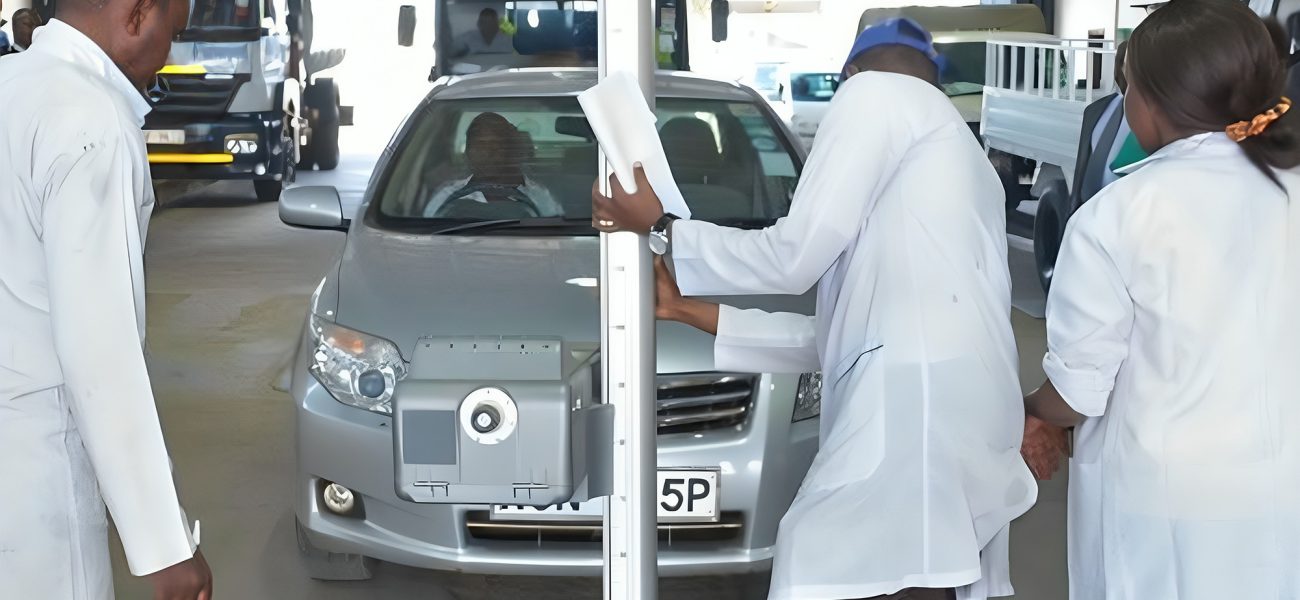
- An expanded CVI network: NTSA plans to grow its Computerised Vehicle Inspection infrastructure nationally, using diagnostic equipment to assess brake efficiency, emissions, steering and suspension, lighting and electrical systems, body condition, and tyre tread — automating and standardising a process currently prone to manual inconsistency.
- Digital-first booking and payment: Bookings would move to NTSA’s TIMS online portal, requiring a vehicle registration number, owner ID or company PIN, and a selected inspection centre and time slot, with digital certificates issued after a pass.
- Mandatory inspection stickers: Vehicles that pass would receive a tamper-proof windshield sticker showing the next due date; the proposals suggest a missing or invalid sticker could lead to fines or vehicle immobilisation.
- Emissions testing integration: Inspections would formally include emissions checks, targeting older vehicles emitting excess pollutants, with vehicles exceeding CO₂ limits or emitting visible black smoke flagged for repair or possible deregistration — part of Kenya’s environmental commitments in cities like Nairobi, Mombasa, and Kisumu.
How often would vehicles need inspection?
| Vehicle Type | First Inspection Due | Frequency Thereafter |
|---|---|---|
| Brand New Private | After 4 years | Every 2 years |
| Used Import | Within 60 days of registration | Every 2 years |
| Commercial Vehicles | Upon registration | Every year |
| PSV (Matatus, Buses) | Upon licensing | Every year |
| Motorcycles | After 1 year | Every 2 years |
| School Buses | Upon licensing | Every year |
How will this affect Kenyan motorists?
Impact on vehicle owners: Owners and fleet managers would need to keep vehicles roadworthy year-round, budget for inspection fees (current commercial inspection fees range from KSh 2,000–4,000), and plan inspection timing to avoid penalties.
Impact on lower-income owners: Industry stakeholders have flagged the potential financial burden on owners facing costly repairs to pass inspection, particularly for older, cheaper vehicles that make up a large share of Kenya’s fleet.
Impact on infrastructure: NTSA’s capacity to handle a much larger volume of inspections is untested — limited facilities in rural and semi-urban areas, and potential congestion at existing centres, are among the concerns raised by industry stakeholders as the system scales up.
Key Details
- Legal basis: Draft Traffic (Motor Vehicle Inspection) Rules, 2025, proposed for incorporation into the Traffic Act (Cap. 403)
- Status at publication: Under public consultation; not yet in effect
- Who would be affected: Private vehicles over four years old, commercial vehicles, PSVs, motorcycles, school buses
- Proposed frequency: Every 2 years for private vehicles; annually for commercial vehicles, PSVs, and school buses
- Booking channel: NTSA’s TIMS online portal
- Estimated fees: Current commercial inspection fees range from KSh 2,000–4,000; private vehicle fees to be determined
- Proposed penalties: Fines (amount to be determined), road licence suspension, vehicle detention, and possible operator licence revocation for PSVs
Background
Currently, only commercial vehicles and PSVs undergo regular inspections in Kenya; private vehicles are inspected only upon importation or in specific circumstances, often through manual processes at NTSA centres. The 2025 proposal marks the first serious push to bring private vehicles into a routine inspection cycle.
NTSA has indicated it plans to expand inspection centres and build partnerships with licensed private garages, with public-private partnerships floated as one option for addressing capacity constraints.
What’s Next?
CarNews KE will continue monitoring the progress of these proposed regulations and update readers as implementation details are confirmed. Vehicle owners are encouraged to keep logbooks current and accessible, maintain regular servicing schedules, and stay informed on timelines as they’re announced.
Conclusion
The proposed Traffic (Motor Vehicle Inspection) Rules, 2025 would mark a significant step toward safer roads, cleaner air, and a more disciplined vehicle ownership culture in Kenya – if implemented as drafted. Until the rules are finalised, the safest approach for motorists is to keep vehicles roadworthy, stay current on servicing, and watch for official NTSA communications rather than acting on draft details that may still change.
Join the Conversation
💬 What do you think about these proposed inspection rules – necessary for road safety, or burdensome for vehicle owners? Share your view in the CarTalk KE Forum, or follow CarNews KE for updates as the rules are finalised.






No Comment! Be the first one.