




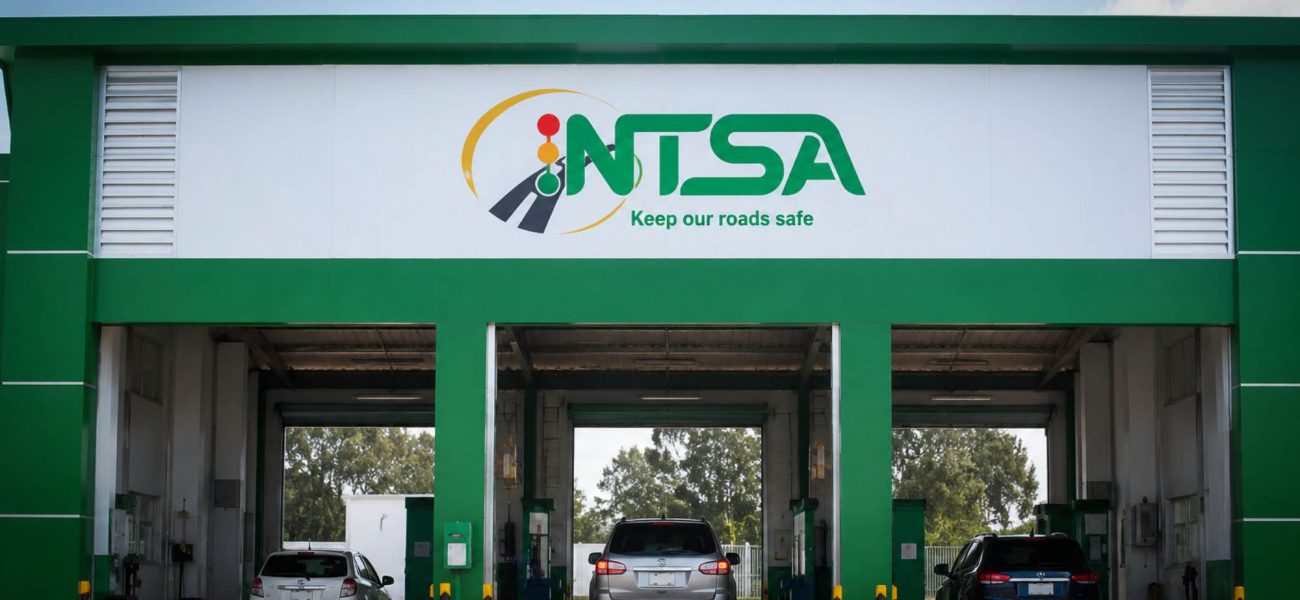
NTSA’s New Vehicle Inspection Rules 2026
The Traffic (Motor Vehicle Inspection) Rules, 2026 were gazetted in February 2026 as Legal Notice No. 13, under Section 55 of the Traffic Act (Cap 403).

Editor’s Note (updated 22 July 2026): The Senate’s Select Committee on Delegated Legislation has annulled the Traffic (Motor Vehicle Inspection) Rules, 2026 described in this article, along with two other NTSA regulations, and the full House has adopted that recommendation. These rules currently cannot be enforced. NTSA may redraft and resubmit an updated version; CarNews KE will update this article if that happens. Details below reflect the rules as originally announced.
CN Quick Facts
- Annual roadworthiness inspections are now mandatory under the Traffic (Motor Vehicle Inspection) Rules, 2026
- Vehicles older than four years; private, government, public service, school, and locally assembled vehicles
- The Rules took effect on 1 July 2026; the private car enforcement date is still to be announced
- KSh 1,000 booking fee plus KSh 1,000 inspection fee (lower for motorcycles and three-wheelers)
- Fines of up to KSh 20,000, imprisonment of up to six months, or both
NTSA’s New Vehicle Inspection Rules: What Kenyan Motorists Need to Know
The National Transport and Safety Authority (NTSA) has begun enforcing annual vehicle inspections under a new legal framework that affects millions of vehicle owners across Kenya. The rules took effect on 1 July 2026, though NTSA has confirmed that enforcement for private car owners will follow at a later, unspecified date.
What are the new NTSA vehicle inspection rules?
The Traffic (Motor Vehicle Inspection) Rules, 2026 were gazetted in February 2026 as Legal Notice No. 13, under Section 119(g) of the Traffic Act (Cap 403). NTSA formally began operationalising the rules on 1 July 2026, directing owners of vehicles more than four years old, counted from the recorded date of manufacture, to book an annual inspection through the NTSA service portal on eCitizen.
The requirement applies broadly. It covers privately owned vehicles, government vehicles, Public Service Vehicles (PSVs), school vehicles, locally assembled vehicles, vehicles that have been in accidents, and vehicles that have undergone structural or mechanical modification. Agricultural tractors, golf carts, motorised pedal cycles, and all-terrain vehicles are exempt.
NTSA Director-General Nashon Kondiwa said the annual requirement is anchored in existing law and is now being operationalised, adding that a single annual inspection may not be sufficient for vehicles that spend most of their time on the road.
How will this affect Kenyan motorists?
For Kenyan motorists, this is a significant compliance shift. The used-vehicle import market accounts for the vast majority of cars on Kenyan roads, and many of those vehicles are already older than four years, meaning a large share of the national fleet falls within scope.
Impact on motorists: Owners will need to budget time and money for annual inspections, on top of existing costs like insurance and NTSA registration.
Impact on the wider industry: With more than six million registered vehicles in Kenya, the inspection regime could generate significant revenue for government, and NTSA is working to expand private inspection capacity to meet demand.
Impact on public trust: Critics, including some lawmakers, have questioned how the rules were introduced, and a fresh court petition is challenging their legality – meaning the framework motorists are being asked to comply with today could still change.
Key Details
- Legal basis: Traffic (Motor Vehicle Inspection) Rules, 2026, Legal Notice No. 13, gazetted February 2026
- Effective date: 1 July 2026
- Who must comply: Vehicles older than four years – private, government, PSV, school, locally assembled, accident-involved, or structurally modified
- Exemptions: Tractors, golf carts, motorised pedal cycles, all-terrain vehicles
- Booking channel: NTSA service portal via eCitizen only; NTSA has not licensed any private inspection provider
- Fees: KSh 1,000 booking, KSh 1,000 inspection (motorcycles and three-wheelers pay KSh 200 booking, KSh 300 inspection)
- Penalties: Up to KSh 20,000 fine, up to six months imprisonment, or both, for operating without a valid inspection sticker
- Private car enforcement: Confirmed by NTSA to begin at a later, separately announced date
Background
Proposals to bring private vehicles into Kenya’s mandatory inspection regime date back to 2023, when NTSA first floated draft rules and opened them for public participation. The current rules were gazetted quietly in February 2026, with limited public awareness ahead of the July rollout.
Inspections for commercial and public service vehicles are not new; NTSA has long required valid inspection certificates for these categories. What has changed is the formal extension of annual inspection to privately owned vehicles, a group that had previously operated with less routine oversight.
CN Expert Analysis
The rollout illustrates a common pattern in Kenyan regulatory implementation: a law takes effect on schedule, but enforcement for the most affected group, private motorists, is deliberately staged. This gives NTSA time to expand inspection capacity and gives the public transport and vehicle-safety industry a period to adjust before facing the same scrutiny.
The unresolved court challenge adds uncertainty. If the petition succeeds, elements of the fee structure or enforcement timeline could be revised. Motorists should treat the current framework as active but not final.
What’s Next?
NTSA has said it is in the process of expanding private vehicle inspection centres to increase capacity ahead of full enforcement. A separate announcement is expected to confirm the enforcement start date for private vehicle owners. The High Court petition challenging the rules, filed in late June 2026 and naming the Law Society of Kenya, Katiba Institute, and the Kenya Human Rights Commission as interested parties, also remains pending.
CarNews KE will continue to track both developments and update this article as new information becomes available.
Conclusion
The rules are real, gazetted, and already in force – but for private car owners, there is no active penalty risk yet. The safest approach is to confirm your vehicle’s age against the four-year threshold, watch for NTSA’s enforcement announcement, and budget for the KSh 2,000 combined fee when the time comes.
Join the Conversation
💬 What do you think of the new inspection requirements? Share your view in the CarTalk KE Forum, or follow CarNews KE for updates on when private vehicle enforcement begins.





No Comment! Be the first one.